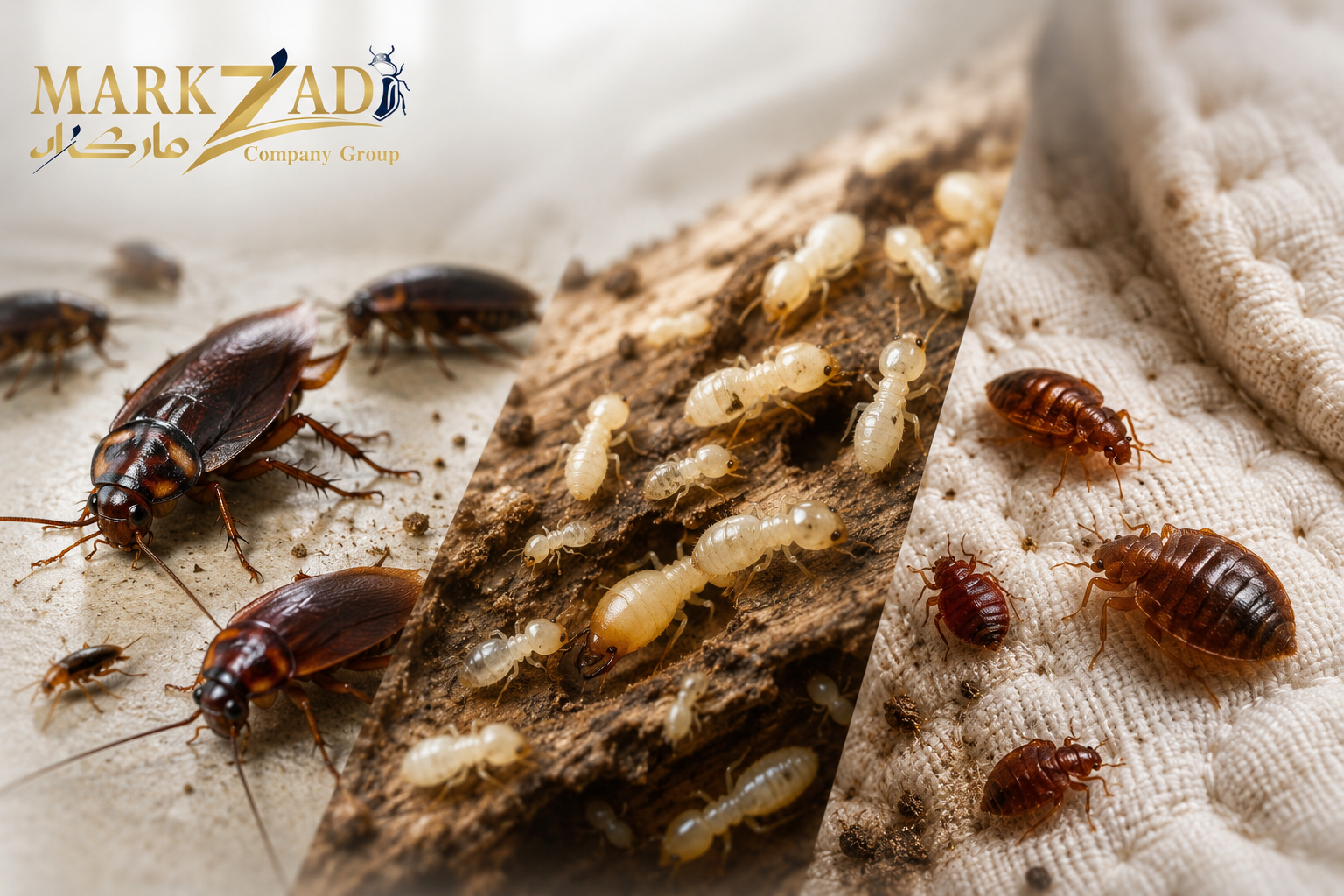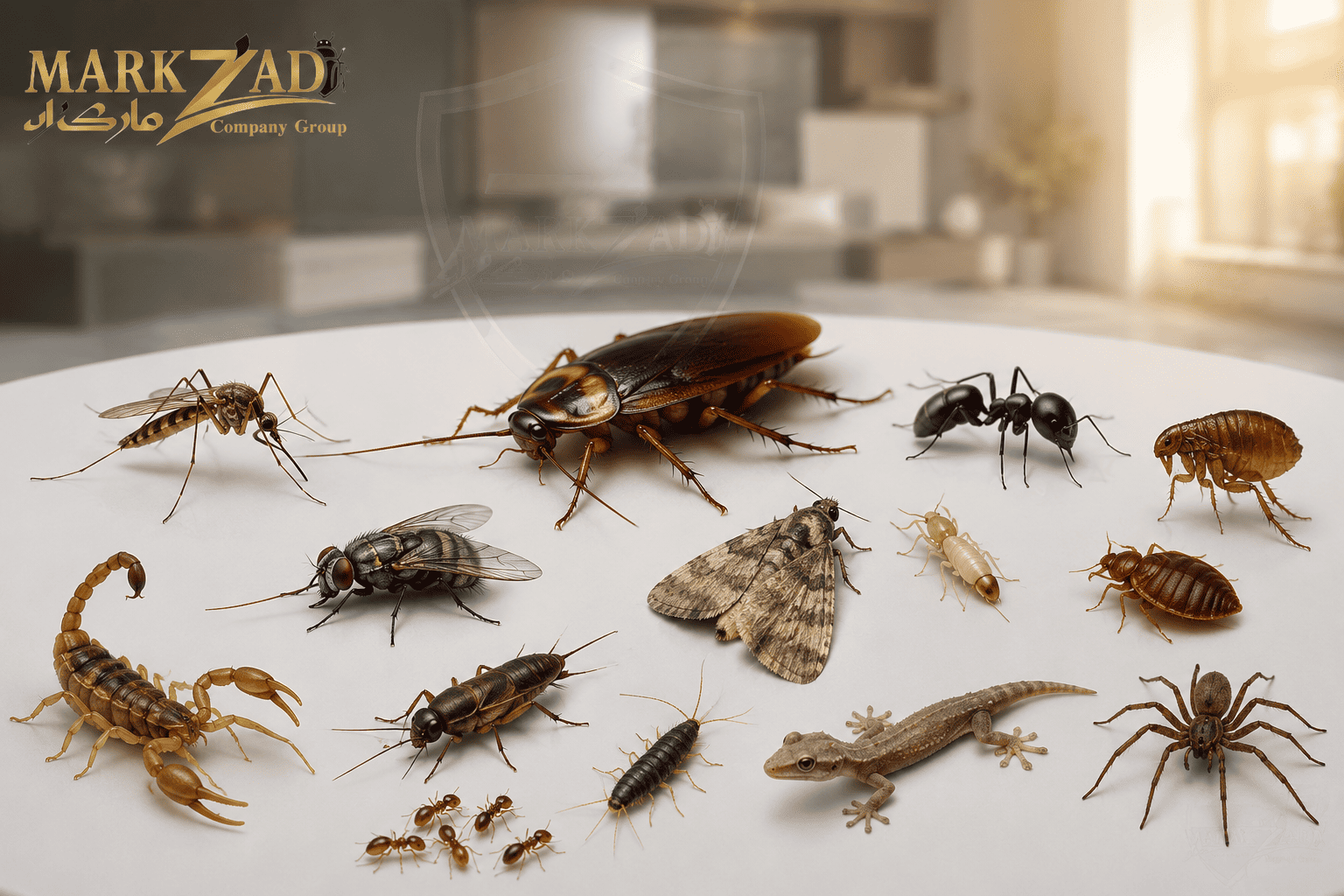

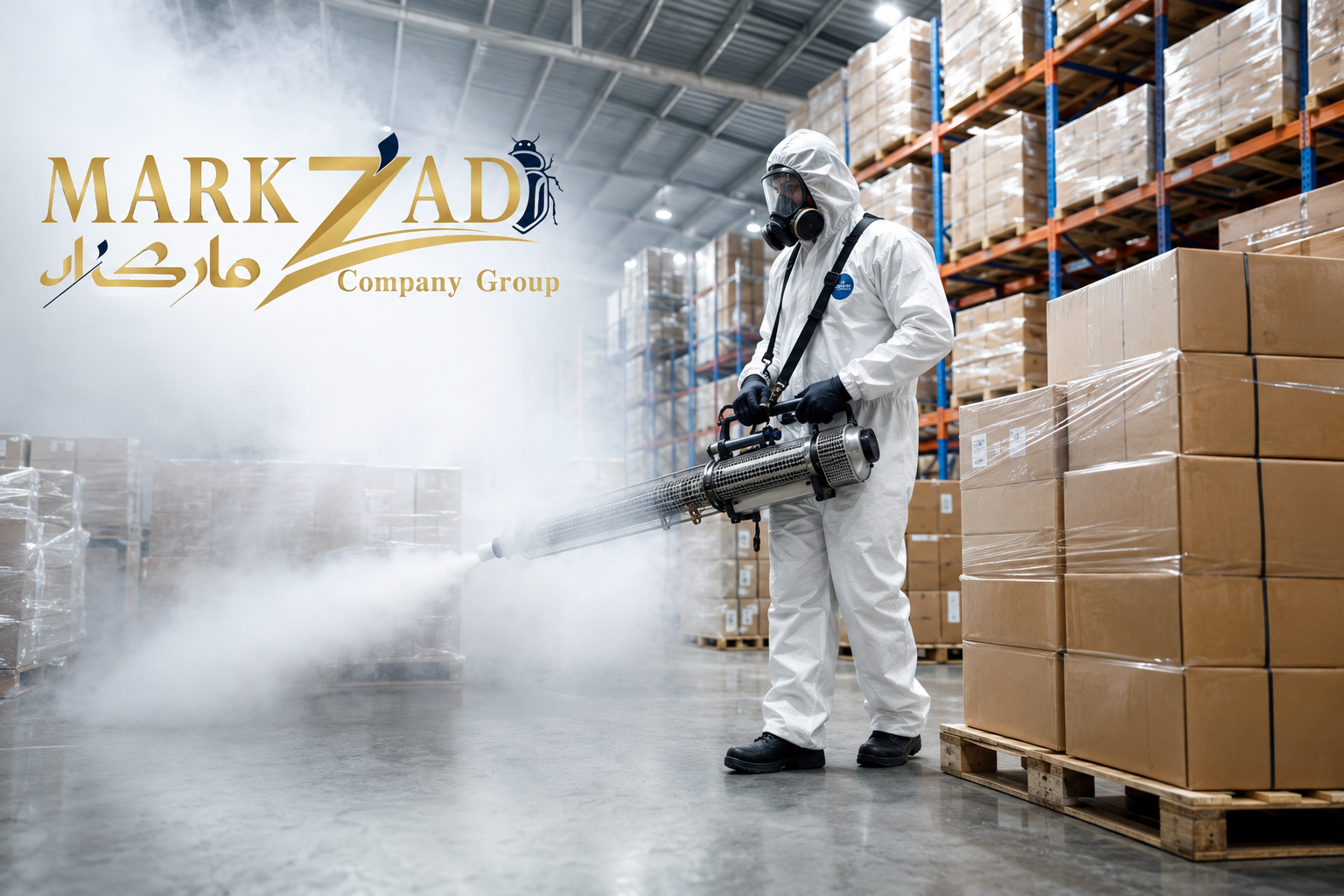
Fumigation, pest control, cleaning, disinfection, and sterilization are related services, but they do not all have the same purpose. Choosing the correct service depends on the type of problem, the property, the level of pest activity, and the areas requiring treatment.
Regular cleaning can remove visible dirt and food residue, but it may not reach insects hiding inside cracks, storage materials, furniture, drains, wall gaps, or other difficult areas. It may also be insufficient for controlling microorganisms on frequently touched surfaces.
MarkZad Pest Control Company provides fumigation, pest management, disinfection, and sanitization services for residential, commercial, and industrial properties. Each service should begin with an inspection so the treatment method can be selected according to the actual condition of the site.
What Is Fumigation?
Fumigation is a specialized pest management procedure used in certain situations to control insects and other pests inside enclosed spaces, stored materials, warehouses, packaging, or areas that are difficult to treat with conventional methods.
Fumigation does not always mean producing thick smoke. Depending on the pest and property, professional treatment may involve gases, vapors, fine droplets, targeted insecticides, or other application methods.
Some fumigation methods require the site to be completely vacated, sealed, and properly ventilated before people are allowed to return. For this reason, specialized fumigation should only be performed by trained professionals following the product instructions and relevant safety procedures.
What Is Disinfection?
Disinfection is the process of applying appropriate products or methods to reduce microorganisms on surfaces. It is commonly used on frequently touched areas such as:
- Door handles.
- Desks.
- Tables.
- Kitchen surfaces.
- Bathroom fixtures.
- Elevator buttons.
- Reception counters.
- Shared equipment.
- Public facility surfaces.
Cleaning is usually required before disinfection because dirt, grease, and organic matter may reduce the effectiveness of disinfectant products.
Cleaning, Sanitizing, Disinfection, Sterilization, and Fumigation
Understanding the difference between these services helps property owners request the right treatment.
Cleaning
Cleaning removes dust, dirt, grease, food residue, and visible contamination from surfaces.
Sanitizing
Sanitizing reduces microorganisms to a lower level suitable for the intended environment. It is often used as part of routine hygiene programs.
Disinfection
Disinfection uses suitable products to control microorganisms on surfaces. The product must be applied correctly and remain on the surface for the required contact time.
Sterilization
Sterilization is a more extensive process designed to eliminate all forms of microbial life under specific controlled conditions. The level of sterilization required in hospitals or laboratories differs significantly from normal residential or commercial disinfection.
Fumigation
Fumigation is mainly associated with pest control in enclosed areas, stored products, warehouses, or materials where insects may be hidden.
Why Are Fumigation and Disinfection Important?
Professional fumigation and disinfection services can help:
- Control pests hiding in difficult areas.
- Treat infestations inside stored materials.
- Reduce surface contamination.
- Improve general hygiene.
- Protect stored products from insect damage.
- Reduce pest movement between rooms or departments.
- Support a cleaner working environment.
- Limit repeated infestations when combined with prevention.
- Protect furniture, equipment, and stored goods.
- Improve customer and employee comfort.
MarkZad Fumigation and Disinfection Services
MarkZad Pest Control Company provides customized services for homes, villas, apartments, offices, restaurants, warehouses, hotels, schools, factories, and public facilities.
Home and Villa Fumigation
Homes may require professional fumigation or comprehensive pest treatment when insects appear repeatedly or spread to several rooms.
Common inspection areas include:
- Kitchens.
- Bathrooms.
- Bedrooms.
- Living rooms.
- Storage rooms.
- Outdoor yards.
- Rooftops.
- Drains.
- Areas behind appliances.
- Spaces under furniture.
- Openings around doors and windows.
The service is selected after identifying the pest, infestation level, hiding areas, and possible entry points.
Apartment and Residential Building Fumigation
Pests may move between apartments through drains, utility lines, wall gaps, ventilation systems, and common areas.
A complete plan may include treating the affected apartment, inspecting common areas, identifying pest entry points, and recommending repairs or sanitation improvements.
Warehouse and Storage Fumigation
Warehouses may be affected by several pests, including:
- Rice weevils.
- Grain insects.
- Flour beetles.
- Stored-product moths.
- Cockroaches.
- Ants.
- Rodents.
- Small insects living inside dry products.
A warehouse treatment program may include product inspection, isolation of infested goods, cleaning, monitoring, fumigation where appropriate, and improvements to stock management.
Restaurant and Kitchen Fumigation
Restaurants and commercial kitchens provide food, moisture, warmth, and shelter, making them attractive to pests.
Important inspection areas include:
- Under cooking equipment.
- Behind refrigerators.
- Dishwashing areas.
- Drains.
- Food storage rooms.
- Waste collection areas.
- Cabinets.
- Pipe openings.
- Cracks between floors and walls.
Food, utensils, and food-contact surfaces must be protected according to the treatment method and product instructions.
Hotel and Furnished Apartment Fumigation
Hotels and furnished apartments may experience bed bugs, cockroaches, ants, flies, drain insects, and other pest problems.
Early inspection is important to prevent pests from moving between rooms and affecting guests.
Factory and Industrial Facility Fumigation
Industrial pest management varies according to the type of business and stored materials.
Food factories may require programs for stored-product insects, flies, cockroaches, and rodents. Other industrial properties may need monitoring around waste zones, loading areas, drains, production lines, and external entry points.
Residential Disinfection
Residential disinfection may be requested:
- Before moving into a new home.
- After maintenance or renovation.
- After a deep-cleaning service.
- After resolving sewage or moisture problems.
- When frequently touched surfaces require additional treatment.
- As part of a scheduled hygiene program.
Office and Company Disinfection
Offices contain many shared surfaces, including desks, meeting rooms, elevators, devices, reception areas, and door handles.
A regular disinfection schedule can be selected according to the number of employees, visitors, working hours, and property use.
School and Nursery Disinfection
Schools and nurseries require special attention because classrooms, desks, toys, bathrooms, and shared facilities are used by many children.
Products and methods must be selected according to the property type, followed by proper ventilation before the facility is used again.
Restaurant and Café Disinfection
Food facilities require thorough cleaning before disinfectants are applied. Particular attention should be given to kitchens, preparation areas, bathrooms, dining areas, waste zones, and frequently touched surfaces.
Products should only be applied to food-contact surfaces when the instructions permit such use.
Mosque and Public Facility Disinfection
Mosques and public buildings contain many shared areas, including entrances, bathrooms, shelves, handrails, door handles, and gathering spaces.
The frequency of cleaning and disinfection should be based on the size of the property and the number of daily users.
Pests That May Require Fumigation or Comprehensive Treatment
Fumigation or intensive treatment may be included in a pest management plan for:
- German cockroaches.
- American cockroaches.
- Bed bugs.
- Ants.
- Fleas.
- Mites.
- Mosquitoes.
- Flies.
- Drain flies.
- Rice and grain weevils.
- Flour beetles.
- Stored-product moths.
- Insects inside dry food products.
- Other warehouse and storage pests.
A single treatment method is not suitable for every pest. Each pest has a different life cycle, behavior, hiding pattern, and treatment requirement.
Signs That Fumigation May Be Needed
A professional inspection may be necessary when:
- Pests are found in several rooms.
- Cockroaches appear during daylight.
- Insects are found inside stored products.
- Household sprays no longer control the problem.
- Eggs or larvae are visible.
- Bed bugs are suspected in sleeping areas.
- Unusual odors develop in storage rooms.
- Rodent droppings or damage are found.
- Pests move between apartments or departments.
- Food packaging is damaged.
- Insects return shortly after treatment.
- Hiding areas cannot be reached with normal methods.
When Is Disinfection Recommended?
Disinfection may be useful:
- After renovation or construction work.
- Before occupying a new home or office.
- After a tenant leaves a property.
- In facilities with heavy daily use.
- After comprehensive cleaning.
- As part of a restaurant hygiene program.
- In offices, schools, and public buildings.
- After resolving a plumbing or sewage issue.
- When frequently touched surfaces require treatment.
- As part of scheduled property maintenance.
MarkZad Service Process
Step 1: Collecting Information
The team gathers basic information about the property, pest activity, size, affected areas, and how long the problem has existed.
Step 2: Site Inspection
The site is inspected for pest activity, hiding areas, moisture, waste, damaged products, drains, and entry points.
Step 3: Selecting the Treatment
The property may require one or more of the following:
- Targeted spraying.
- Crack and crevice treatment.
- Gel bait.
- Monitoring traps.
- Rodent stations.
- Drain treatment.
- Specialized fumigation.
- Surface disinfection.
- Scheduled pest management.
Step 4: Preparing the Property
The customer may need to store food, cover kitchen items, move furniture, remove pets, protect plants, or clear certain areas before treatment.
Step 5: Applying the Treatment
Products are applied to the targeted areas according to the selected plan, with attention given to the source of the infestation.
Step 6: Ventilation and Re-Entry
Re-entry time varies according to the product, treatment method, property size, and label instructions. Customers must not return before the approved re-entry time.
Step 7: Prevention Advice
The customer receives recommendations regarding cleaning, waste, moisture, food storage, cracks, and pest entry points.
Step 8: Follow-Up
Severe infestations, bed bugs, stored-product insects, and commercial properties may require additional visits or scheduled monitoring.
How to Prepare a Home for Fumigation
Preparation instructions may include:
- Store food in sealed containers.
- Remove uncovered food.
- Cover kitchen utensils.
- Remove children and pets.
- Protect fish tanks.
- Inform the team about sensitive plants.
- Open cabinets when instructed.
- Move furniture away from walls.
- Collect loose clothes and items.
- Inform the team about medical or safety concerns.
- Avoid applying household pesticides immediately before treatment.
- Follow all property-specific instructions.
What to Do After Fumigation
After treatment:
- Do not enter before the stated time.
- Ventilate the property properly.
- Open doors and windows as instructed.
- Wipe food-contact surfaces when required.
- Avoid washing treated pest-control areas immediately.
- Remove dead insects safely.
- Monitor activity during the following days.
- Avoid moving infested furniture between rooms.
- Seal the gaps identified during inspection.
- Repair water leaks and moisture sources.
- Contact the company if unusual activity continues.
Preparing a Property for Disinfection
Before disinfection, the property should be cleaned to remove dirt and organic material.
Preparation may include:
- Removing waste.
- Cleaning visible dirt.
- Removing food residue.
- Organizing furniture.
- Clearing walkways.
- Protecting sensitive electronics.
- Identifying delicate surfaces.
- Keeping unnecessary people away during application.
Why Ventilation Matters
Ventilation is an essential part of fumigation and disinfection. There is no single ventilation period suitable for every treatment.
The correct period depends on:
- The product used.
- The application method.
- The property size.
- Air movement.
- Product instructions.
- The type of pest treatment.
Customers should follow the instructions provided by the pest-control team and should not enter early.
Children, Pets, and Sensitive Individuals
The company should be informed in advance if the property contains:
- Children.
- Pregnant women.
- Elderly people.
- Individuals with allergies.
- Pets.
- Birds.
- Fish tanks.
- Sensitive plants.
- Stored food or medication.
These items may require removal, covering, or special preparation before treatment.
Fumigation Must Be Combined With Prevention
Even professional fumigation may not prevent pests from returning if food residue, leaking water, drains, waste, or entry points remain untreated.
Effective pest control combines treatment with sanitation, maintenance, exclusion, and monitoring.
Pest Prevention Tips
- Clean food spills immediately.
- Store food in sealed containers.
- Remove waste every day.
- Clean waste containers.
- Repair leaking pipes.
- Keep kitchens and bathrooms dry.
- Clean drains regularly.
- Install window screens.
- Seal pipe openings.
- Repair wall cracks.
- Inspect second-hand furniture.
- Avoid excessive cardboard storage.
- Rotate warehouse stock.
- Inspect incoming products.
- Clean behind heavy equipment.
- Trim plants near the building.
- Keep pet food covered.
- Schedule regular commercial inspections.
Benefits of Scheduled Fumigation and Disinfection
Regular programs are useful for restaurants, factories, warehouses, hotels, schools, offices, and residential buildings.
Scheduled visits can help:
- Identify pest activity early.
- Monitor infestation levels.
- Treat new risk areas.
- Inspect traps and monitoring devices.
- Review waste and moisture problems.
- Evaluate previous treatments.
- Adjust the plan according to the season.
- Prevent small problems from becoming major infestations.
- Improve property hygiene.
- Document service observations when required.
Stored-Product Pest Management
Stored-product pests may damage food, packaging, and warehouse inventory.
Signs include:
- Small holes in packaging.
- Insects inside rice or flour.
- Webbing inside grain products.
- Small moths in storage areas.
- Unusual product odors.
- Powder under packages.
- Larvae on shelves or walls.
Control may require inspecting all products, isolating infested materials, cleaning the warehouse, and applying an appropriate treatment.
Bed Bug Fumigation and Treatment
Bed bugs hide in mattresses, bed frames, furniture, fabric seams, and small cracks.
A control plan may include:
- Inspecting sleeping areas.
- Checking mattresses and bed frames.
- Treating cracks and furniture.
- Washing and drying fabrics as instructed.
- Preventing the movement of infested items.
- Scheduling a follow-up visit.
Excessive household spraying may cause bed bugs to move into other areas without eliminating the infestation.
Cockroach Fumigation and Treatment
Cockroaches hide near food, water, warmth, drains, appliances, and cabinets.
Successful treatment includes:
- Identifying the cockroach species.
- Locating hiding areas.
- Treating cracks and gaps.
- Using suitable baits.
- Removing grease and food residue.
- Repairing leaks.
- Monitoring pest activity.
Disinfection After Pest Control
Some properties may require cleaning and surface disinfection after cockroach or rodent activity, particularly in kitchens and food-storage areas.
Droppings and contaminated materials should first be removed safely, followed by cleaning and the application of a suitable disinfectant.
Rodent droppings should not be dry-swept in a way that spreads dust. Appropriate protection and cleaning procedures should be used.
Why Choose MarkZad Pest Control Company?
MarkZad Pest Control Company provides fumigation, pest control, disinfection, and sanitization services based on the needs of each property.
Its service approach includes:
- Property inspection before treatment.
- Pest identification.
- Selection of a suitable control method.
- Residential and commercial services.
- Treatment of pest hiding and breeding areas.
- Clear preparation and re-entry instructions.
- Consideration of property surfaces and use.
- Scheduled programs for commercial facilities.
- Attention to sanitation, moisture, and waste.
- Follow-up according to the infestation condition.
How to Choose a Fumigation and Disinfection Company
Before selecting a company, customers should consider:
- Whether an inspection is provided.
- Whether the pest is identified before treatment.
- Whether the treatment method is explained.
- Whether re-entry and ventilation instructions are clear.
- Whether follow-up may be required.
- Whether children and pets are considered.
- Whether preventive recommendations are included.
- Whether the service suits the property’s activity.
- Whether the company avoids using one method for every pest.
- Whether unrealistic instant results are avoided.
Common Fumigation and Disinfection Mistakes
- Mixing products without professional knowledge.
- Using excessive pesticide amounts.
- Entering the property too early.
- Ignoring ventilation.
- Leaving food uncovered.
- Spraying sensitive equipment directly.
- Using the wrong product for the pest.
- Ignoring moisture and food sources.
- Washing bait or gel treatments away.
- Moving infested furniture between rooms.
- Relying on spraying without sanitation or repairs.
- Repeating treatments randomly.
Fumigation and Disinfection for Homes and Companies
Whether you have cockroaches in a kitchen, bed bugs in bedrooms, stored-product insects in a warehouse, or a property that requires surface disinfection, the first step is to identify the exact problem and select the correct service.
MarkZad Pest Control Company provides pest-control, fumigation, and disinfection services for homes, villas, apartments, restaurants, hotels, offices, warehouses, factories, schools, and other facilities.
Conclusion
Fumigation and disinfection are important services for protecting homes and businesses, but successful treatment requires accurate inspection, correct product selection, proper property preparation, ventilation, safety procedures, and prevention.
Not every pest should be treated in the same way. Cockroaches, bed bugs, warehouse insects, rodents, and flying insects all have different behaviors and require different treatment plans.
MarkZad Pest Control Company provides fumigation, pest management, disinfection, and sanitization services through property inspection, targeted treatment, safety instructions, preventive guidance, and follow-up when necessary.