
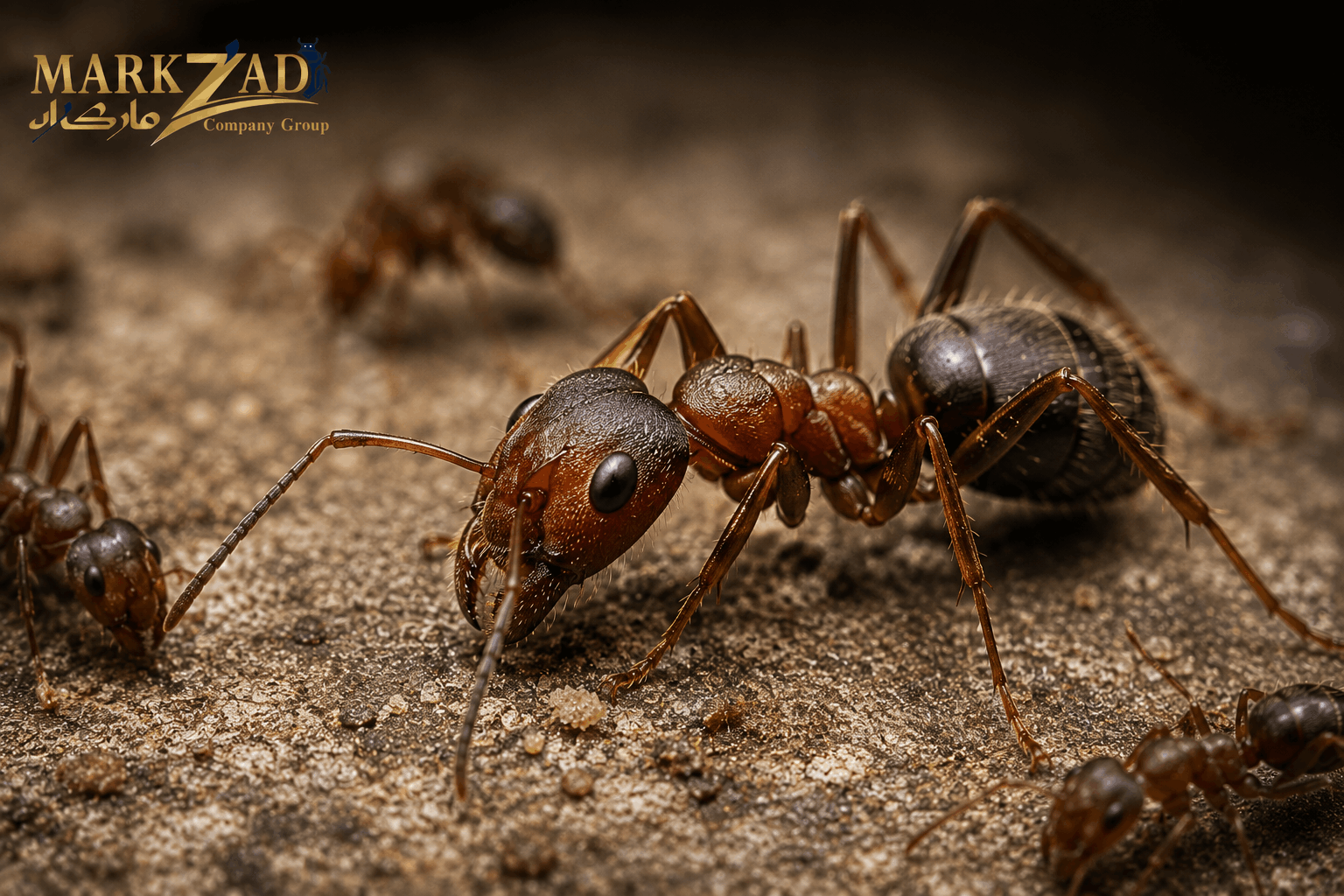
Ants are among the most common insects found in homes, gardens, restaurants, warehouses and commercial facilities. While many species cause limited harm, a large infestation may contaminate food, disturb occupants, damage stored products and, in some cases, affect wood or plants.
An infestation often begins with a few worker ants searching for food. Once food is discovered, the ants establish a regular trail between the source and their colony. Killing only the visible workers rarely eliminates the problem because the queen and nest may remain active.
What Are Ants?
Ants are social insects that live in organized colonies. A colony may include one or more queens, workers and winged reproductive individuals.
Worker ants search for food, protect the nest and care for eggs and larvae. The queen’s primary role is reproduction. This is why an infestation can continue even after many workers have been killed.
Common Names Used in Saudi Arabia
The general Arabic word for ants is النمل — al-naml. Other names are used according to appearance or species:
- Black ants: A general name for dark-colored household and garden ants.
- Small ants: A common description for tiny kitchen ants.
- Red ants: A name used for reddish or brown ants, some of which may sting.
- Flying ants: Winged reproductive ants appearing during mating periods.
- Pharaoh ants: Very small ants commonly found inside buildings.
- Carpenter ants: Ants that create nests inside damp or damaged wood.
- White ants: The popular Arabic name for termites.
- Al-ardah: A common Arabic term for termites in Saudi Arabia and other Gulf countries.
Termites are not true ants, despite being commonly called white ants.
Common Types of Ants
Black Ants
Black ants frequently enter kitchens and buildings in search of sugar, grease and food crumbs. Their colonies may be located outdoors, under stones, in soil or inside wall cracks.
Pharaoh Ants
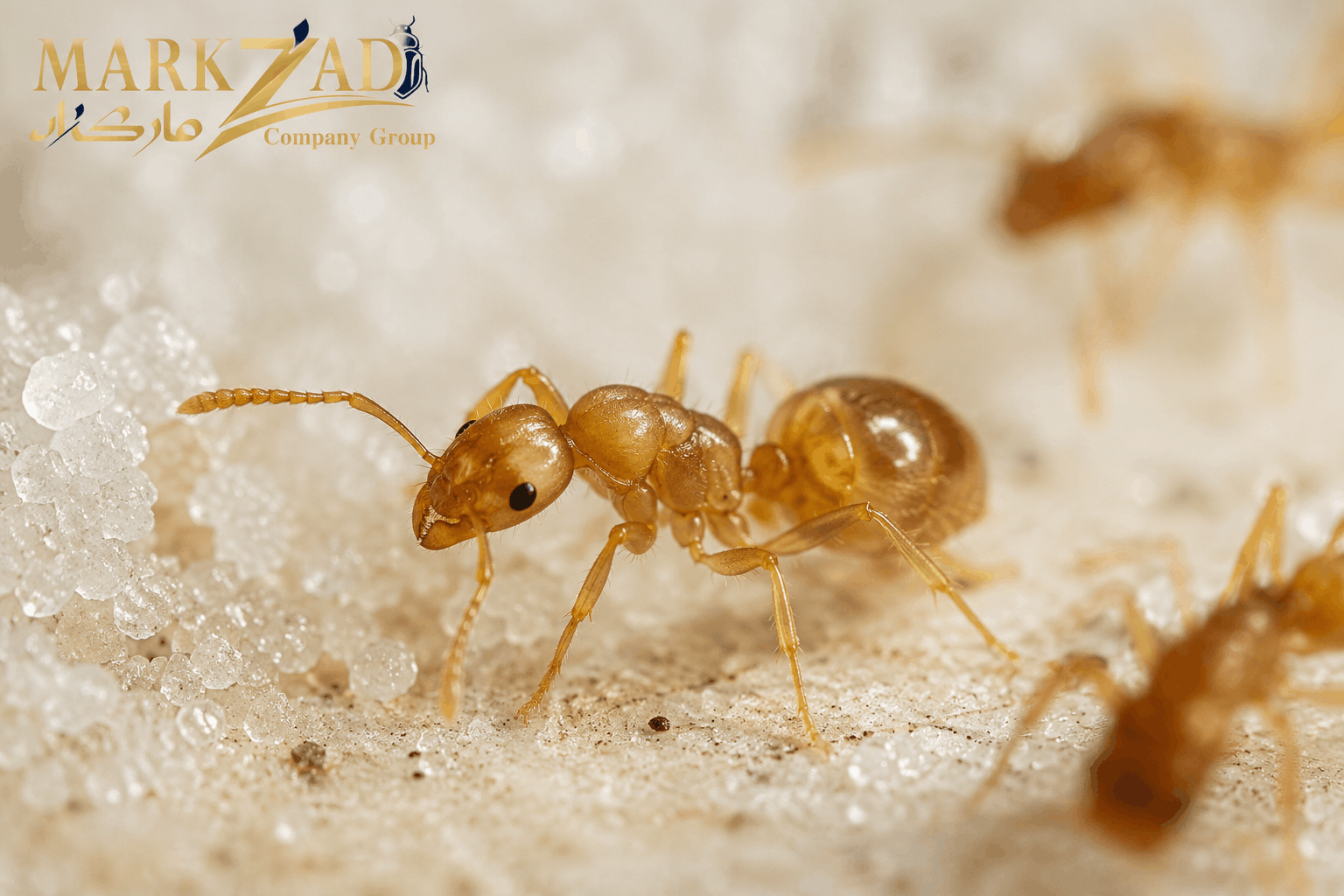
Pharaoh ants are extremely small and usually yellow or light brown. They may nest inside walls, cupboards, appliances and warm indoor spaces. A building can contain several connected nests.
Carpenter Ants
Carpenter ants are relatively large. They excavate galleries inside damp wood to build nests but do not eat the wood as termites do.
Red Ants
Some red or reddish-brown ants nest in soil and gardens. Certain species may bite or sting when their colony is disturbed.
Flying Ants
Flying ants are reproductive members of an established colony, not a separate species. Repeated indoor sightings may indicate a nearby hidden nest.
Termites
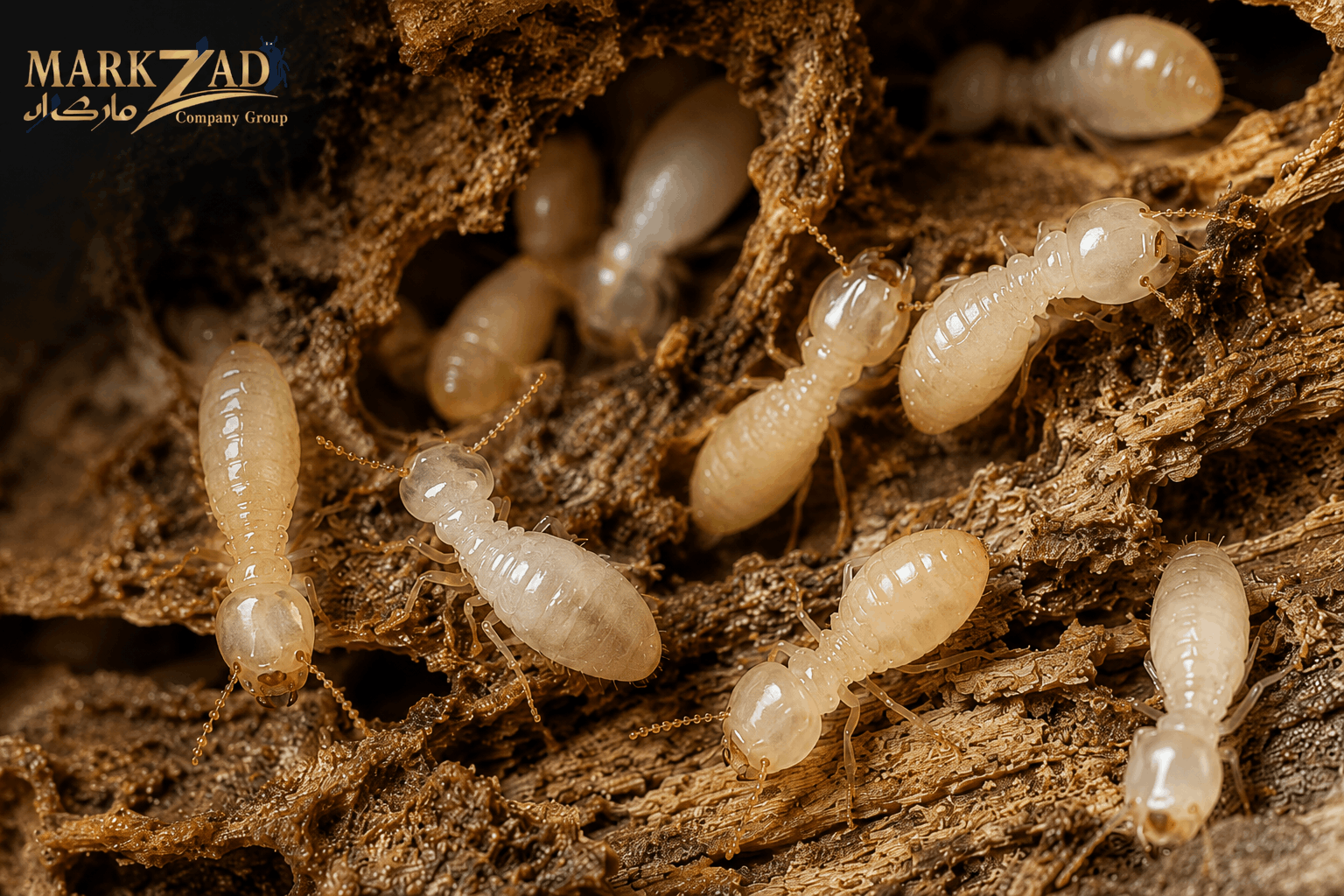
Termites feed on cellulose found in wood, paper and cardboard. They can cause serious structural damage when an infestation remains undetected.
Ants Versus Termites
Ants
- Have a narrow, defined waist.
- Have bent antennae.
- Winged ants have front wings longer than their rear wings.
- Many species enter buildings to search for food.
Termites
- Have a straighter body without a clearly narrow waist.
- Have relatively straight antennae.
- Their wings are nearly equal in length.
- Feed on wood and other cellulose materials.
- May construct mud tubes across walls and foundations.
Why Ants Enter Buildings
Ants usually enter in search of food, water and shelter.
Food Residues
Sugar, sweets, bread crumbs, juice, grease and pet food can attract worker ants.
Moisture
Some species are attracted to leaking pipes, sinks, bathrooms, air-conditioning systems and damp wood.
Cracks and Openings
Ants can enter through tiny gaps around doors, windows, pipes, tiles and wall joints.
Gardens
Colonies may be located in soil, under stones or around plants, with workers entering nearby buildings to collect food.
Poor Food Storage
Open containers of sugar, dates, grains and sweets provide a reliable food source.
Damage Caused by Ants
Food Contamination
Ants move across floors, waste areas and cracks before reaching food and preparation surfaces. This may affect food hygiene.
Disturbance
Repeated trails in kitchens, bathrooms and bedrooms can become highly annoying, particularly when populations increase.
Damage to Stored Products
Ants may enter packages of sugar, dates, cereals and sweets, making them unsuitable for sale or consumption.
Bites and Stings
Some ants bite or sting when threatened. Reactions may include pain, itching, swelling and redness. Severe allergic reactions require prompt medical attention.
Wood Damage
Carpenter ants excavate damp or damaged wood to form nesting galleries. Long-term activity may weaken affected wooden components.
Termite Damage
Termites can damage doors, furniture, flooring, ceilings, books, cardboard and structural timber.
Commercial Impact
Ant infestations in restaurants, bakeries, hotels and warehouses can affect hygiene standards, stored products and business reputation.
Signs of an Ant Infestation
Common signs include:
- Regular lines of worker ants.
- Ants gathering around food or water.
- Repeated activity from a particular crack.
- Small soil piles near openings.
- Winged ants indoors.
- Discarded wings near windows.
- Wood debris associated with carpenter ants.
- Mud tubes or hollow-sounding wood associated with termites.
How Ant Trails Work
When a worker ant discovers food, it returns to the colony while depositing a chemical trail. Other workers follow this trail, reinforce it and recruit more ants.
Simply wiping the visible ants away may not solve the infestation. Food residues must be removed, the trail cleaned and the colony treated.
Effective Ant-Control Methods
Identify the Species
Control methods vary according to the ant species and nest location. Garden ants, Pharaoh ants, carpenter ants and termites require different approaches.
Improve Sanitation
- Remove crumbs and spills immediately.
- Clean grease from kitchen surfaces.
- Wash dishes regularly.
- Clean beneath appliances.
- Empty rubbish containers.
- Store pet food properly.
- Avoid leaving dirty dishes overnight.
Store Food Properly
Sugar, dates, cereals, sweets and pet food should be kept in tightly sealed containers.
Repair Water Leaks
Leaks around sinks, pipes, bathrooms and air-conditioning equipment should be repaired, and damp areas should be dried.
Seal Entry Points
Gaps around doors, windows, pipes, walls and tiles should be sealed after active colonies have been treated.
Use Ant Baits
Baits can be effective because workers carry the active ingredient back to the nest and share it with other colony members.
Some species prefer sweet bait, while others prefer protein or grease-based bait. Repellent sprays should not be applied near bait stations because they may prevent workers from feeding on the bait.
Treat Cracks and Nesting Areas
Products intended for crack-and-crevice treatment may be used according to label directions. Pesticides should not be applied to food surfaces or used in ways not stated on the label.
Manage Outdoor Areas
Outdoor prevention includes:
- Removing accumulated wood and waste.
- Trimming plants touching the building.
- Repairing irrigation leaks.
- Treating active soil nests appropriately.
- Moving waste containers away from entrances.
- Closing exterior gaps.
Use Specialized Termite Treatment
Termite management may involve:
- Inspection of wood and foundations.
- Soil treatment.
- Injection into affected areas.
- Monitoring and baiting systems.
- Scheduled follow-up inspections.
Ordinary household ant spray should not be relied upon for termite control.
Common Ant-Control Mistakes
- Spraying only the ants that are visible.
- Failing to locate or treat the nest.
- Applying excessive pesticides.
- Spraying repellent near ant baits.
- Leaving food exposed.
- Ignoring moisture problems.
- Sealing openings before treating the colony.
- Assuming that temporary disappearance means complete control.
- Confusing ordinary ants with termites.
Do Home Remedies Eliminate Ant Colonies?
Cleaning products and strong odors may temporarily disrupt trails or reduce activity. However, they do not reliably eliminate the queen or the entire colony.
Long-term control requires sanitation, food exclusion, moisture management, suitable baiting, nest treatment and ongoing monitoring.
When Professional Ant Control Is Needed
Professional help is recommended when:
- Ants return after repeated treatment.
- Activity is present inside walls or appliances.
- Tiny ants are found in several rooms.
- Winged ants appear repeatedly.
- Termite activity is suspected.
- The infestation affects a restaurant or food facility.
- Children or pets are present.
- The colony cannot be located.
- The infestation returns shortly after treatment.
Professional Ant Control by MarkZad Company Group
MarkZad Company Group provides integrated ant-control solutions for homes, restaurants, warehouses and commercial facilities.
The process begins with an inspection to identify the ant species, nesting areas, food sources, moisture and active trails. The treatment plan may include baiting, crack-and-crevice applications, outdoor nest treatment and preventive recommendations.
Termite cases require a separate specialized program designed to protect wood, foundations and other vulnerable parts of the property.
The objective is not only to kill visible ants, but to target the source of the infestation and reduce the conditions that allow it to return.