
What Are Stray Dogs?
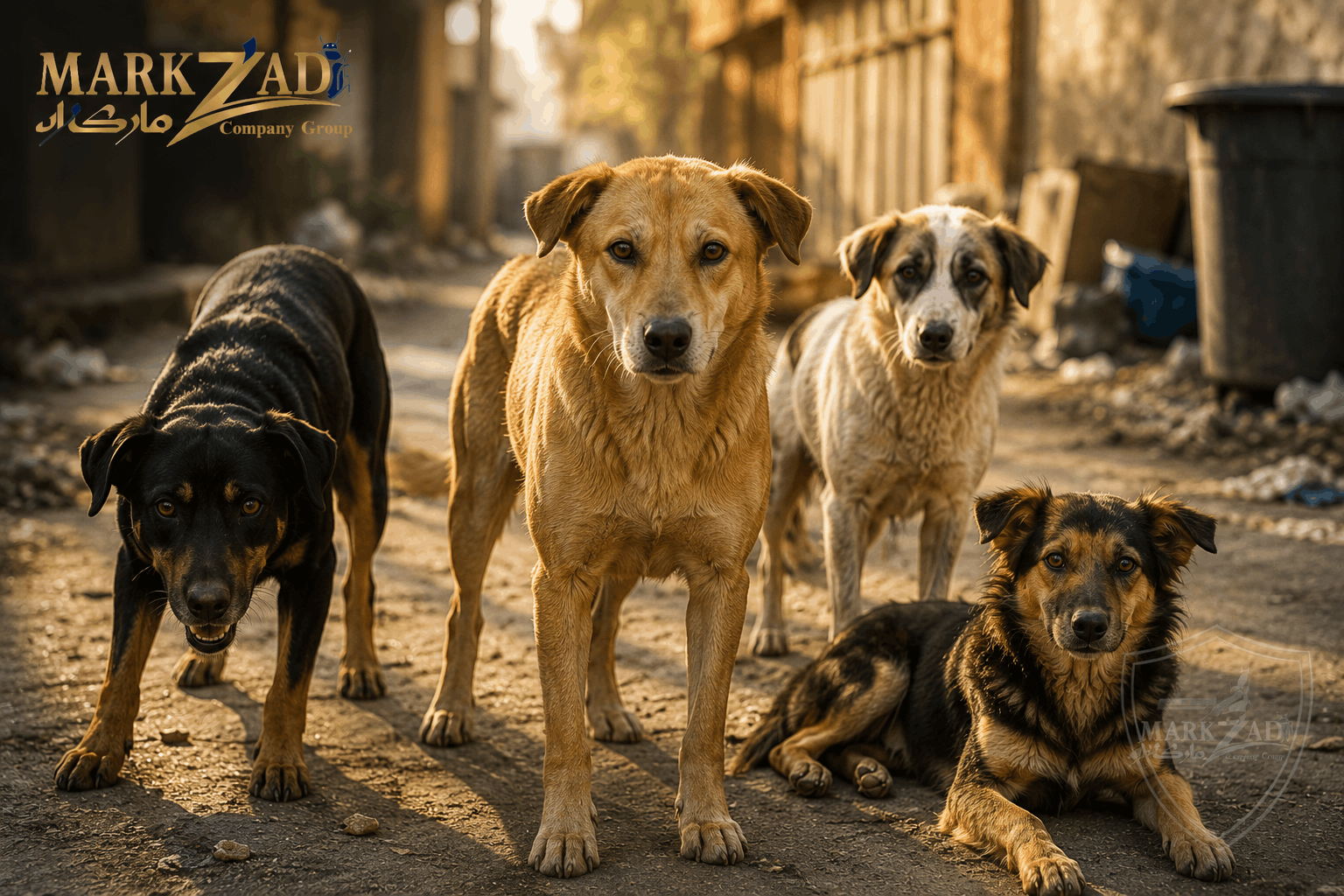
Stray dogs are dogs living outdoors without a responsible owner or regular veterinary care. Some are born outside, while others may be lost or abandoned domestic animals.
They often gather around neighborhoods, markets, restaurants, farms, warehouses, construction sites, and waste-storage areas where food, water, and shelter are available.
Stray dogs should not be managed through poisoning or harmful methods. Sustainable management focuses on waste control, property exclusion, public reporting, veterinary care, vaccination, sterilization, and humane population-management programs. Saudi animal-welfare initiatives also emphasize veterinary care, sterilization, responsible ownership, and organized management of stray animals.
Why Do Stray Dogs Gather Around Properties?
Food Waste
Open rubbish bags, uncovered bins, restaurant waste, and animal feed provide reliable food sources.
Water
Dogs may drink from leaking pipes, air-conditioning drainage, irrigation systems, or uncovered water containers.
Shelter
Abandoned buildings, empty land, open warehouses, spaces beneath stairs, and stored materials provide hiding and breeding sites.
Uncontrolled Feeding
Leaving food in public places may attract additional dogs and can also feed rodents, flies, cockroaches, and other pests.
Open Property Access
Damaged fences, open gates, and gaps beneath doors allow dogs to enter yards, farms, factories, and storage facilities.
Unmanaged Reproduction
Dog populations can increase when vaccination, sterilization, responsible ownership, and veterinary management are unavailable. Dog vaccination and organized population programs are important parts of rabies prevention and humane animal management.
Signs of a Stray Dog Problem
- Several dogs gathering around waste bins.
- Frequent barking or howling at night.
- Dogs entering parking areas or yards.
- Torn rubbish bags and scattered waste.
- Droppings around buildings.
- Dogs chasing vehicles or cyclists.
- Puppies living beneath structures.
- Dogs entering warehouses or farms.
- Repeated activity near restaurant entrances.
- Fleas or ticks appearing around resting sites.
Problems Associated With Stray Dogs
Scattered Waste
Dogs searching for food may tear rubbish bags, creating odors and attracting insects and rodents.
Fear and Disturbance
Groups of dogs may cause concern among residents, employees, children, and people walking during early or late hours.
Chasing Behavior
Some dogs may chase pedestrians, runners, bicycles, or vehicles when frightened or defending an area.
Bites and Scratches
Most dogs avoid confrontation, but a frightened, injured, trapped, feeding, or protective dog may bite. Public-health guidance recommends avoiding unfamiliar dogs and never disturbing dogs that are sleeping, eating, or caring for puppies.
Food-Facility Contamination
Dogs may enter kitchens, loading areas, food warehouses, and restaurant yards when doors and gates are unsecured.
Livestock and Wildlife Problems
Groups of dogs may chase poultry, livestock, and small animals, particularly around farms and urban fringes.
Traffic Accidents
Dogs crossing roads unexpectedly may contribute to collisions, especially at night.
Stray Dogs and Rabies
Rabies is a serious viral disease that can be transmitted through the saliva of an infected animal, usually through bites or scratches. The World Health Organization identifies dogs as the source of the overwhelming majority of human rabies cases globally and emphasizes dog vaccination and bite prevention.
A stray dog is not automatically rabid. However, people should avoid any dog displaying unusual behavior, including:
- Sudden aggression.
- Loss of balance.
- Abnormal movement.
- Excessive drooling.
- Difficulty swallowing.
- Severe weakness or paralysis.
- Unprovoked biting.
- A sudden major change in behavior.
Do not approach or capture a suspected sick animal. Keep people and pets away and report its location to the appropriate authority.
How to Behave Around an Unfamiliar Dog
- Remain calm.
- Do not run or scream.
- Avoid prolonged direct eye contact.
- Do not attempt to touch the dog.
- Leave it a clear escape route.
- Move away slowly.
- Never disturb a dog that is eating, sleeping, or caring for puppies.
- Keep children behind a responsible adult.
These precautions are consistent with dog-bite prevention guidance from the WHO and CDC.
What to Do if a Dog Chases You
- Stop running and remain as still as possible.
- Keep your arms close to your body.
- Avoid screaming or making sudden movements.
- Do not stare directly at the dog.
- Place a bag or another object between you and the dog if necessary.
- Move away slowly when the dog loses interest.
- Teach children not to run from unfamiliar dogs.
- Report aggressive groups near homes, schools, or workplaces.
What to Do After a Dog Bite
Dog bites require medical assessment, even when the wound appears minor.
Saudi Ministry of Health guidance recommends immediately washing the wound with running water and soap, controlling bleeding with a clean dressing, and attending an emergency department to assess infection risk and the need for tetanus or rabies vaccination. WHO guidance also emphasizes immediate, thorough wound washing after potential rabies exposure.
After a bite:
- Move away from the animal safely.
- Wash the wound immediately with soap and water.
- Apply gentle pressure with clean gauze if it is bleeding.
- Seek urgent medical care.
- Describe the dog and the incident location.
- Follow medical advice regarding tetanus and rabies prevention.
- Report the animal to the relevant authority.
Do not wait for symptoms before seeking care. Timely post-exposure treatment can prevent rabies from developing.
Should Poison Be Used Against Stray Dogs?
Poison, pesticides, contaminated food, and harmful traps should not be used.
Such methods may:
- Cause severe animal suffering.
- Poison pets, cats, birds, or wildlife.
- Expose children to toxic materials.
- Contaminate soil and water.
- Leave animal remains in hidden areas.
- Create odors and additional health risks.
- Fail to remove the food, water, and shelter attracting other dogs.
Humane exclusion, sanitation, waste control, reporting, vaccination, and organized veterinary management are safer solutions.
How to Keep Stray Dogs Away Safely
Secure Waste Bins
Use strong containers with tight lids and keep rubbish bags off the ground.
Clean Waste Areas
Remove food residues and clean spills and odors around bins regularly.
Do Not Leave Food Outdoors
Avoid leaving pet food, restaurant waste, or household leftovers in gardens, yards, and parking areas.
Remove Water Sources
Repair leaks and empty unnecessary outdoor containers.
Repair Fences and Gates
Close gaps beneath fences and install gates that shut securely.
Block Shelter Areas
Close spaces beneath stairs, temporary buildings, and storage structures after confirming that no dog or puppies are inside.
Improve Lighting
Adequate lighting and surveillance can help staff identify animal entry routes at night.
Use Humane Barriers
Suitable fencing, self-closing doors, and motion-activated water devices may discourage entry without harming animals.
Report Dangerous Cases
Report injured, sick, or aggressive dogs, especially those near schools, hospitals, and residential areas.
Keeping Stray Dogs Out of a Yard
A practical prevention plan includes:
- Inspecting the entire fence and gate.
- Closing gaps beneath the fence.
- Installing a secure gate.
- Removing food waste daily.
- Keeping pet food indoors.
- Repairing water leaks.
- Removing wood and stored clutter.
- Cleaning waste and odor-marked areas.
- Improving entrance lighting.
- Monitoring the dog’s entry route.
- Checking for puppies before sealing shelter sites.
- Contacting professionals when activity continues.
Dogs With Puppies
A mother dog may select a quiet warehouse, abandoned building, or space beneath a staircase to raise puppies.
Do not approach or handle the puppies in front of the mother. Instead:
- Maintain a safe distance.
- Do not block the mother’s escape route.
- Keep children and pets away.
- Do not apply poison or repellents around the site.
- Do not seal the entrance while animals are inside.
- Contact an appropriate veterinary or animal-welfare organization.
- Report injured or immobile animals.
Stray Dogs, Fleas, and Ticks
Some dogs may carry fleas or ticks, although dogs are not the only possible source. Flea eggs and larvae may remain in soil, cracks, old fabrics, and animal resting areas after the dog has left.
Environmental control may include:
- Cleaning resting areas.
- Removing old fabrics and waste.
- Vacuuming or cleaning cracks.
- Trimming dense vegetation.
- Treating affected areas with approved products.
- Protecting domestic pets through veterinary care.
- Monitoring the site after treatment.
Removing the dogs alone may not eliminate an established flea infestation.
Restaurants and Food Facilities
Food businesses should:
- Keep back doors closed.
- Install self-closing doors.
- Secure food waste.
- Clean spills immediately.
- Prevent animal feeding near entrances.
- Repair fences and gates.
- Eliminate standing water.
- Inspect loading and storage yards.
- Clean potentially contaminated surfaces.
- Maintain an integrated insect and rodent management program.
Farms and Warehouses
To reduce dog entry:
- Store animal feed in closed rooms.
- Dispose of animal remains appropriately.
- Repair perimeter fences.
- Install secure gates.
- Keep food and slaughter waste covered.
- Protect poultry and small animals.
- Improve lighting around storage areas.
- Train workers not to chase or provoke dogs.
- Report aggressive groups to the responsible authority.
MarkZad Stray Dog Prevention Services
MarkZad Pest Control Company provides preventive solutions that help reduce stray dog activity around homes, restaurants, warehouses, factories, and farms.
MarkZad’s role focuses on inspecting the site and reducing the environmental conditions attracting dogs, without poison or animal harm. Cases requiring capture, relocation, veterinary treatment, or rehabilitation should be coordinated with authorized animal-management organizations.
Services may include:
- Inspecting the property.
- Identifying food, water, and shelter sources.
- Locating entry routes.
- Recommending fence and gate improvements.
- Improving waste-management practices.
- Suggesting humane deterrent measures.
- Treating flea and tick activity around gathering areas.
- Controlling rodents and insects attracted to the same waste.
- Cleaning or treating affected environmental areas.
- Developing a prevention plan.
- Directing dangerous or injured-animal cases to the appropriate authority.
Why Choose MarkZad?
Moving one group of dogs does not solve the problem when waste, water, shelter, and open entrances remain available.
MarkZad focuses on:
- Detailed property inspection.
- Accurate identification of attraction sources.
- Safe and humane prevention.
- Waste-area sanitation.
- Property exclusion.
- Flea and tick management.
- Insect and rodent control.
- Site-specific recommendations.
- Follow-up prevention procedures.
MarkZad is a suitable option for properties seeking humane stray dog prevention in Riyadh alongside professional environmental pest management.
How to Prevent Stray Dogs From Returning
- Keep waste bins closed.
- Remove food waste daily.
- Do not feed animals near entrances.
- Repair leaking water.
- Close warehouses after work.
- Repair fences and gates.
- Remove stored clutter.
- Clean droppings and odors.
- Improve outdoor lighting.
- Keep animal feed covered.
- Monitor loading and waste areas.
- Treat fleas and ticks when detected.
- Report sick or aggressive dogs.
- Never use poison or harmful traps.
- Use authorized animal services for direct handling.
Frequently Asked Questions
Are All Stray Dogs Aggressive?
No. Many avoid people, but behavior may change when a dog is frightened, injured, eating, trapped, or protecting puppies.
How Can Dogs Be Kept Away Without Harm?
Secure waste, remove food and water, repair fences, close shelter areas, and use safe physical or motion-activated deterrents.
Can Pesticides Be Sprayed on Dogs?
No. Pesticides may poison the animal, people, pets, and wildlife. They should never be sprayed on dogs or placed in food.
What Should I Do if a Dog Approaches Me?
Remain calm, do not run or scream, avoid direct staring, and move away slowly while leaving the dog an escape route.
What Should I Do After a Bite?
Wash the wound immediately with running water and soap and seek emergency medical care to assess infection, tetanus, and rabies risk.
Can Stray Dogs Cause Flea Infestations?
Some dogs carry fleas, and flea life stages may remain in the environment after the animal leaves. Environmental treatment may therefore be necessary.
Conclusion
Stray dogs gather around properties when food waste, water, shelter, and open entry points are available. Large groups may cause scattered waste, noise, fear, traffic incidents, and a risk of bites.
The correct approach combines sanitation, secure waste storage, property exclusion, humane deterrence, and reporting of injured or aggressive animals to the appropriate authority.
MarkZad Pest Control Company helps inspect properties, identify attraction sources, secure entry routes, improve waste management, and control fleas, ticks, rodents, and insects associated with animal gathering areas—supporting cleaner and safer residential and commercial environments without harming animals.