
What Are Stray Cats?
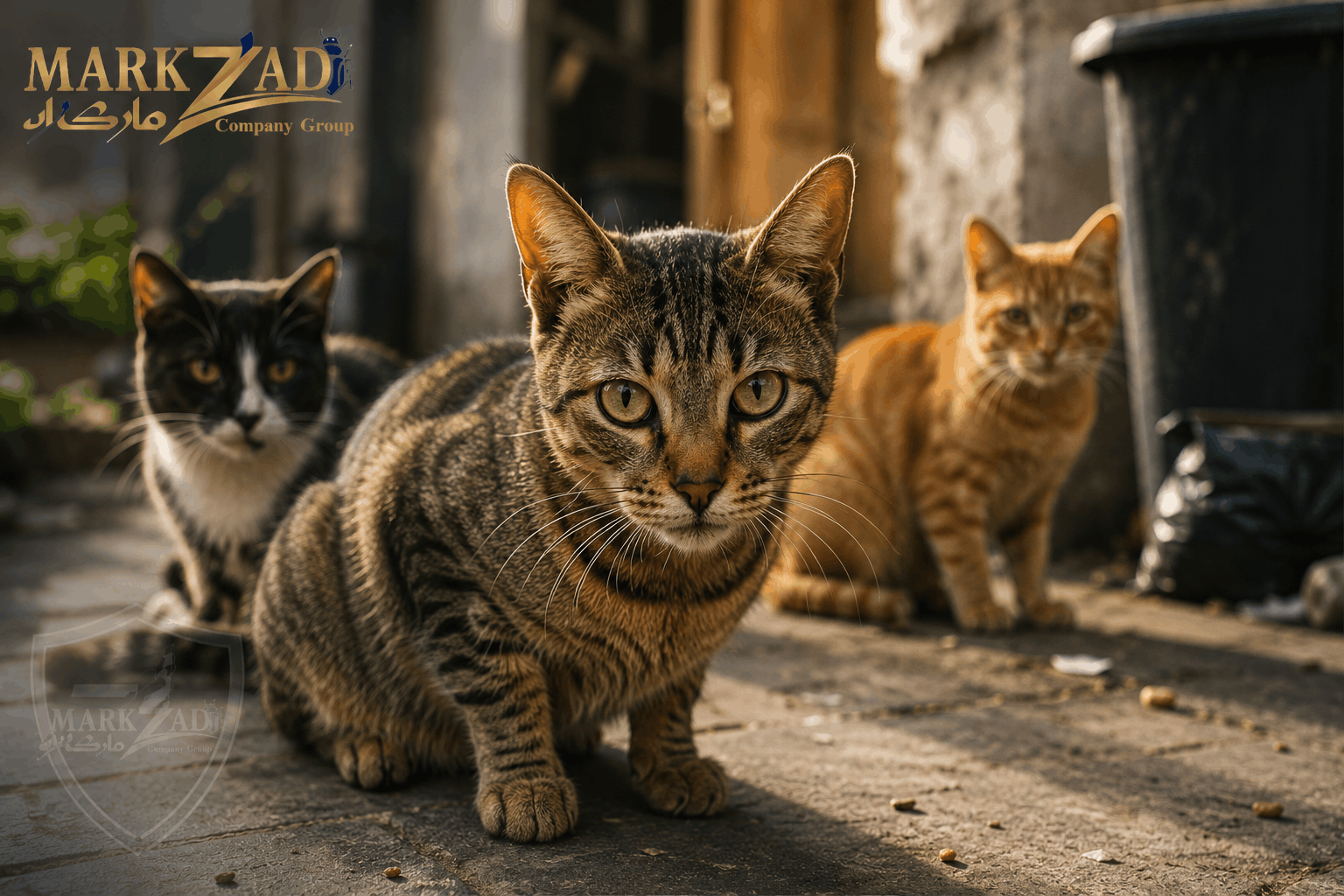
Stray cats are cats that live outdoors without consistent care from a specific owner. Some are born outside, while others may be lost or abandoned domestic cats.
They commonly gather around residential neighborhoods, restaurants, markets, warehouses, farms, and waste-storage areas because these locations provide food, water, shelter, and breeding sites.
Cats are not traditional insect pests. They can also help reduce some rodent activity. However, large groups of cats around homes and commercial properties may cause sanitation problems, noise, odors, flea activity, and damage to waste containers.
The correct approach is humane deterrence and exclusion, not poisoning, trapping without professional guidance, or causing harm.
Why Do Stray Cats Gather Around Properties?
Available Food
Open waste bags, food scraps, uncovered bins, and pet food left outside can attract cats.
Water Sources
Cats may drink from leaking pipes, air-conditioning drainage, garden taps, outdoor bowls, or standing water.
Shelter
Storage rooms, abandoned vehicles, dense vegetation, spaces under stairs, roofs, and open warehouses provide safe hiding and breeding sites.
Uncontrolled Feeding
Regularly leaving food outdoors can attract many cats, especially when food residues are not removed after feeding.
Poor Waste Management
Organic waste can attract cats, insects, rodents, and other animals.
Reproduction
Unsterilized cats can reproduce rapidly when food and shelter are available.
Abandoned Buildings
Empty buildings and neglected storage areas offer protected spaces for resting and raising kittens.
Signs of a Stray Cat Problem
- Several cats gathering near the building.
- Droppings in gardens or walkways.
- Loud sounds at night.
- Torn waste bags.
- Paw marks on vehicles and surfaces.
- Strong urine odors.
- Cats hiding under cars.
- Kittens found in gardens or storage areas.
- Cats entering kitchens or warehouses.
- Fleas appearing in areas where cats rest.
Repeated signs usually indicate that food, water, or shelter remains available.
Problems Associated With Stray Cats
Torn Waste Bags
Cats searching for food may scatter rubbish, create odors, and attract flies, cockroaches, and rodents.
Urine Odors
Repeated marking can create strong odors around walls, doors, gardens, and storage areas.
Nighttime Noise
Cats may make loud noises during mating periods or territorial fights.
Fleas and Parasites
Some outdoor cats may carry fleas, ticks, or other parasites, particularly when they have no veterinary care.
Scratches and Bites
Most cats avoid people, but a frightened, injured, trapped, or protective cat may scratch or bite.
Food-Area Contamination
Cats may enter restaurant kitchens, warehouses, and food preparation areas when doors and openings are unsecured.
Garden Damage
Cats may dig in soil and use plant beds as toilet areas.
Hiding in Vehicles
Cats and kittens may hide under cars or near warm engines, placing them at risk.
Are Stray Cats Dangerous?
Most stray cats are not aggressive and will avoid human contact. However, caution is needed around animals showing signs such as:
- Unusual movement.
- Loss of balance.
- Heavy discharge from the eyes or mouth.
- Unprovoked aggression.
- Severe wounds.
- Extreme weakness.
- Breathing difficulty.
- Inability to move normally.
Do not attempt to handle an injured or aggressive cat. Contact an appropriate animal or veterinary service.
Should Poison Be Used to Remove Cats?
Poison, pesticides, contaminated food, and harmful chemicals should never be used against cats.
These methods may:
- Cause severe animal suffering.
- Poison pets.
- Harm children.
- Contaminate the environment.
- Kill birds and other wildlife.
- Leave animal remains in hidden areas.
- Violate animal-welfare requirements.
Humane exclusion, sanitation, waste control, and professional coordination are safer and more effective.
How to Keep Stray Cats Away
Secure Waste Containers
Use bins with tight-fitting lids and avoid leaving rubbish bags exposed.
Remove Food
Do not leave food scraps or pet food outside overnight.
Eliminate Water Sources
Repair leaks and remove unnecessary water containers.
Block Shelter Areas
Install suitable barriers under stairs, porches, storage areas, and other hiding spaces after confirming that no cats or kittens are inside.
Secure Doors and Openings
Keep kitchen, warehouse, and storage doors closed and fit suitable screens or barriers.
Use Humane Deterrents
Motion-activated water devices and safe physical barriers may discourage cats without causing injury.
Remove Odors
Clean urine-marked areas with suitable products that neutralize odors. Remaining smells can encourage cats to return.
Manage Vegetation
Trim dense plants and remove clutter that provides hiding areas.
Keeping Cats Out of a Yard
A complete yard-protection plan may include:
- Closing gaps under gates and fences.
- Removing food sources.
- Securing waste containers.
- Cleaning food residues.
- Installing safe barriers.
- Trimming trees that reach walls or roofs.
- Removing stored clutter.
- Cleaning urine odors.
- Using humane deterrent systems.
- Checking for kittens before sealing any opening.
Cats With Kittens
A mother cat may choose a quiet garden, roof, or storage room to give birth.
Do not separate the kittens or move them carelessly. Instead:
- Keep a safe distance.
- Avoid blocking the mother’s exit.
- Do not apply repellents around kittens.
- Contact an animal rescue or appropriate specialist when needed.
- Confirm that the mother and kittens have left before closing the area.
Incorrectly moving kittens can place them in danger and cause the mother to repeatedly return.
What to Do After a Cat Bite or Scratch
- Wash the wound immediately with soap and water.
- Disinfect it appropriately.
- Seek medical advice, especially after a deep bite.
- Explain whether the cat was unknown or behaving abnormally.
- Follow professional advice regarding vaccination and treatment.
Cat bites can cause infections and should not be ignored.
Stray Cats and Fleas
Fleas may develop in locations where cats regularly sleep, including outdoor carpets, storage areas, cracks, gardens, and old furniture.
Signs include:
- Itching among people or pets.
- Small jumping insects.
- Dark specks on fabric.
- Small bites around the ankles.
- Frequent scratching by pets.
Removing the cats alone may not eliminate fleas because eggs and larvae can remain in the environment. The affected area requires an integrated flea-control program.
Cats and Rodents
Cats may catch individual mice, but they do not replace professional rodent control.
Rodents can continue breeding inside walls and storage rooms, and food left for cats may also feed rats, mice, cockroaches, and ants.
Rodent control should include:
- Sealing entry points.
- Improving food storage.
- Cleaning spills.
- Managing waste.
- Using a professional control plan.
Stray Cats Around Restaurants and Food Facilities
Food facilities should:
- Keep doors closed.
- Use suitable barriers or air curtains.
- Secure food waste.
- Clean waste-storage areas.
- Prevent feeding near entrances.
- Inspect storage yards.
- Repair gaps beneath doors.
- Eliminate standing water.
- Clean potentially contaminated surfaces.
- Maintain an integrated insect and rodent control program.
All cat deterrence procedures should remain safe and humane.
MarkZad Stray Cat Prevention Services
MarkZad Pest Control Company provides solutions that help reduce stray cat activity around homes and commercial properties while focusing on safe and humane exclusion.
Professional service begins with inspecting:
- Food and water sources.
- Entry points.
- Hiding areas.
- Waste-storage locations.
- Odor-marked surfaces.
- Flea, insect, or rodent activity connected to the problem.
A prevention plan can then be developed according to the property’s conditions.
MarkZad Services May Include
- Inspecting residential and commercial properties.
- Identifying why cats gather at the site.
- Recommending suitable entry-point barriers.
- Improving waste-management practices.
- Advising on humane deterrent measures.
- Treating fleas and related insects.
- Controlling rodents in the same environment.
- Addressing odor-affected areas where appropriate.
- Providing prevention recommendations.
- Coordinating with appropriate animal-care services when capture or veterinary care is needed.
Why Choose MarkZad Pest Control Company?
Removing one cat will not solve the problem when food, water, and shelter remain available. MarkZad focuses on the environmental causes that attract animals to the property.
Service advantages include:
- Thorough site inspection.
- Humane and safe solutions.
- No reliance on poison.
- Management of attraction sources.
- Improved sanitation and waste control.
- Flea and pest treatment.
- Solutions for homes, restaurants, and warehouses.
- Property-specific prevention recommendations.
- Follow-up on entry points and hiding areas.
MarkZad is a suitable option for customers searching for stray cat prevention in Riyadh or safe animal-exclusion solutions for commercial facilities.
How to Prevent Cats From Returning
- Do not leave food outdoors.
- Keep waste bins closed.
- Remove rubbish daily.
- Eliminate unnecessary water sources.
- Secure doors and storage rooms.
- Install safe barriers.
- Trim dense vegetation.
- Remove clutter.
- Clean urine odors.
- Never use poison.
- Check for kittens before sealing gaps.
- Treat flea infestations.
- Contact specialists when activity continues.
Frequently Asked Questions
Do Stray Cats Attack People?
Most stray cats avoid people, but a frightened, injured, protective, or trapped cat may scratch or bite.
How Can Cats Be Kept Out Without Harm?
Remove food and water, block shelter areas, clean odors, secure waste bins, and use humane barriers or motion-activated deterrents.
Can Poison Be Used?
No. Poison is dangerous, inhumane, and may harm children, pets, wildlife, and the environment.
Do Cats Cause Flea Infestations?
Some cats may carry fleas. Fleas can remain in the environment after cats leave, so environmental treatment may be required.
Do Cats Eliminate Mice?
Cats may catch some mice, but they do not provide complete rodent control and cannot replace sanitation, exclusion, and professional management.
What Should I Do With an Injured Cat?
Do not handle or corner it. Keep children and pets away and contact an appropriate animal or veterinary service.
Conclusion
Large numbers of stray cats around homes, restaurants, warehouses, and waste areas may cause odors, scattered rubbish, flea activity, noise, and sanitation concerns.
The correct solution is to remove food and water sources, secure waste containers, block shelter areas, clean marked surfaces, and use humane deterrents without harming the animals.
MarkZad Pest Control Company helps inspect properties, identify attraction sources, improve exclusion measures, and control fleas, rodents, and insects associated with the problem, helping create cleaner and safer residential and commercial environments.