
Bed bugs are troublesome household insects that feed on the blood of humans and other warm-blooded animals. They usually hide close to sleeping and resting areas, including mattresses, bed frames, upholstered furniture, and nearby cracks.
They commonly emerge at night to feed. Their small, flattened bodies allow them to hide in narrow spaces, making infestations difficult to eliminate through ordinary cleaning or random pesticide use.
What Do Bed Bugs Look Like?
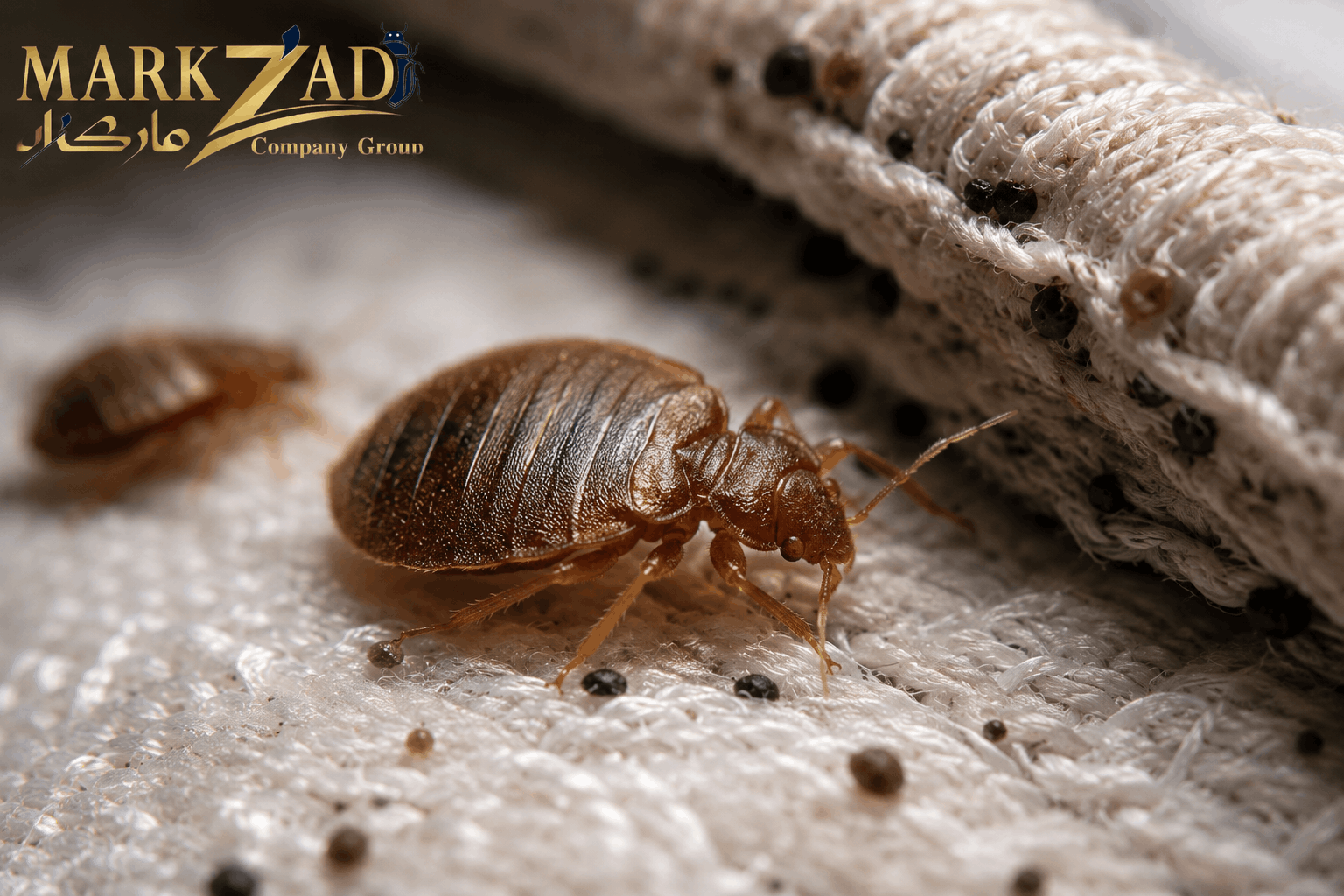
Adult bed bugs have small, oval, and flattened bodies. Their color ranges from light brown to reddish brown, becoming darker and more swollen after feeding.
Their main characteristics include:
- A flat, oval body.
- Brown or reddish-brown coloration.
- Six legs and two antennae.
- No functional wings.
- Relatively fast movement across surfaces.
- Smaller, lighter-colored nymphs.
- Tiny white eggs attached to concealed surfaces.
Where Do Bed Bugs Hide?
Bed bugs do not live permanently on the human body. They remain close to places where people sleep or rest for extended periods.
Common hiding areas include:
- Mattress seams and edges.
- Bed frames.
- Headboards.
- Cracks in furniture.
- Sofas and upholstered chairs.
- Behind wallpaper.
- Behind picture frames.
- Under carpets.
- Baseboards and floor gaps.
- Electrical outlets.
- Luggage.
- Curtains near beds.
In hotels, apartments, and shared buildings, they may spread through belongings, furniture, wall gaps, and utility openings.
How Do Bed Bugs Spread?
Bed bugs are not necessarily associated with poor hygiene. They can enter a property through several routes.
Luggage
They may hide in suitcases after a stay in an infested hotel, apartment, or other property.
Used Furniture
Second-hand mattresses, bed frames, sofas, and chairs may contain insects or eggs.
Clothing and Bedding
Bed bugs may be transported on clothing, blankets, bedding, or stored fabrics.
Movement Between Apartments
They may travel between neighboring units through wall gaps, electrical conduits, pipes, and shared spaces.
Personal Belongings
Visitors, workers, or residents may unknowingly transport them from an infested location.
Signs of a Bed Bug Infestation
Common warning signs include:
- Live insects on mattresses or furniture.
- Small blood spots on sheets.
- Black or brown fecal marks.
- Shed skins near hiding locations.
- Tiny white eggs in cracks.
- An unusual odor in heavy infestations.
- Skin marks appearing after sleep.
- Repeated nighttime itching.
- Insects found in sofas or furniture near the bed.
Bed Bug Bites
Bed bug bites often appear on areas of skin exposed during sleep, including:
- Arms.
- Legs.
- Neck.
- Face.
- Shoulders.
- Back.
The marks may appear as small red bumps in clusters or lines. However, reactions vary. Some people develop strong itching and swelling, while others show little or no visible reaction.
Skin marks alone cannot confirm the presence of bed bugs because they may resemble mosquito bites, flea bites, or allergic reactions. Physical evidence inside the property is required for reliable identification.
Do Bed Bugs Transmit Disease?
Bed bugs are not generally recognized as major disease transmitters. However, an infestation may still cause health and emotional problems, such as:
- Itching and skin irritation.
- Allergic reactions.
- Secondary skin infections caused by scratching.
- Sleep disruption.
- Anxiety and stress.
- Fatigue caused by poor sleep.
- Anemia in rare and severe cases, particularly among vulnerable individuals.
Damage Caused by Bed Bugs
Disturbed Sleep
Their nighttime activity can significantly affect comfort and sleep quality.
Rapid Spread
An infestation may begin around one bed and later spread to sofas, nearby rooms, and other furniture.
Difficult Control
Bed bugs hide inside very narrow cracks and concealed areas that are difficult to inspect and treat.
Financial Loss
People may unnecessarily discard mattresses and furniture or repeatedly purchase ineffective products.
Psychological Stress
Infestations may cause anxiety, embarrassment, fear of sleeping, and constant concern about insects.
The Bed Bug Life Cycle
Bed bugs pass through three main stages:
- Egg.
- Nymph.
- Adult.
Females lay eggs inside cracks and protected areas. After hatching, the nymphs pass through several developmental stages and usually require a blood meal before progressing to the next stage.
Warm conditions and access to a host can increase the speed of development and population growth.
Bed Bugs Versus Fleas
Although bites may sometimes look similar, bed bugs and fleas differ in several ways:
- Bed bugs usually hide in beds, mattresses, and furniture.
- Fleas are often associated with pets and carpets.
- Fleas can jump; bed bugs cannot jump or fly.
- Bed bugs have flat, oval bodies.
- Flea bites frequently appear around the ankles and lower legs.
- Bed bug marks may appear on any skin exposed while sleeping.
Why Bed Bug Treatments Fail
Control attempts may fail because of:
- Treating only visible areas.
- Failing to target eggs and nymphs.
- Using unsuitable pesticides.
- Moving furniture between rooms.
- Sleeping in another room and encouraging the insects to spread.
- Discarding furniture without wrapping it.
- Ignoring sofas, curtains, and wall gaps.
- Repeated random spraying without a proper plan.
- Skipping follow-up inspections and treatments.
How to Prevent Bed Bugs
- Inspect hotel rooms before unpacking.
- Keep luggage away from beds and floors.
- Wash and dry travel clothing after returning home.
- Inspect used furniture before bringing it indoors.
- Avoid taking discarded mattresses or furniture.
- Seal cracks and gaps.
- Inspect mattresses and sofas periodically.
- Use suitable mattress encasements when recommended.
- Clean beneath beds and furniture.
- Avoid moving bedding from an infested room.
- Act quickly when the first signs appear.
How to Get Rid of Bed Bugs
Successful control requires an integrated approach. Surface spraying alone is often insufficient.
Detailed Inspection
Inspect mattresses, bed frames, sofas, furniture, baseboards, cracks, and surrounding areas.
Vacuuming
Careful vacuuming can remove some insects, eggs, and shed skins from seams and accessible cracks.
Washing and Drying
Wash and dry suitable clothing and bedding according to the item’s care instructions.
Reducing Clutter
Removing unnecessary items reduces hiding places and makes inspection and treatment more effective.
Safe Handling of Infested Items
Wrap furniture and bedding before moving them to prevent insects from spreading.
Heat or Targeted Chemical Treatment
Professional companies may use heat-based or pesticide treatments depending on the infestation and the nature of the property.
Follow-Up Service
More than one visit may be necessary because eggs can hatch after the first treatment. Follow-up is an essential part of effective control.
MarkZad Bed Bug Control Services
MarkZad Company Group combats and controls bed bug infestations in homes, villas, apartments, hotels, accommodation facilities, offices, and other properties.
The service begins with a detailed inspection to identify:
- The severity of the infestation.
- Bed bug hiding areas.
- Affected rooms.
- Possible routes of spread.
- Furniture and fabrics requiring treatment.
- The presence of eggs, nymphs, and adult insects.
MarkZad then develops a treatment program suitable for the property. The service may include:
- Treating mattresses and bed frames.
- Targeting seams, edges, and cracks.
- Inspecting sofas and upholstered furniture.
- Reaching concealed hiding areas.
- Targeting different stages of the bed bug life cycle.
- Providing clear instructions before and after treatment.
- Conducting follow-up visits when required.
- Recommending measures to reduce reinfestation.
MarkZad does not focus only on the insects that are visible. Its approach aims to locate infestation sites and address the conditions that allow bed bugs to remain and spread.
Why Professional Treatment Is Important
Bed bugs can be difficult to control because they can:
- Hide in extremely narrow spaces.
- Lay eggs in inaccessible locations.
- Spread between rooms and furniture.
- Survive for extended periods without feeding.
- Reappear when all infestation sites are not treated.
Professional inspection and an integrated treatment plan can provide better results and reduce the risk of recurring activity.
After-Treatment Recommendations
After professional treatment:
- Do not wash treated surfaces before the advised time.
- Avoid moving furniture between rooms.
- Wash bedding according to instructions.
- Watch for new signs of activity.
- Keep the area organized and reduce clutter.
- Avoid applying additional pesticides without guidance.
- Attend scheduled follow-up visits.
- Report any renewed activity promptly.
Conclusion
Bed bugs are small blood-feeding insects commonly found in mattresses, beds, sofas, and nearby cracks. They can cause itching, sleep disturbance, anxiety, and rapid infestation spread.
MarkZad Company Group combats bed bugs through professional inspection, targeted treatment of hiding areas, control of the different life stages, and appropriate follow-up measures to reduce the risk of reinfestation.