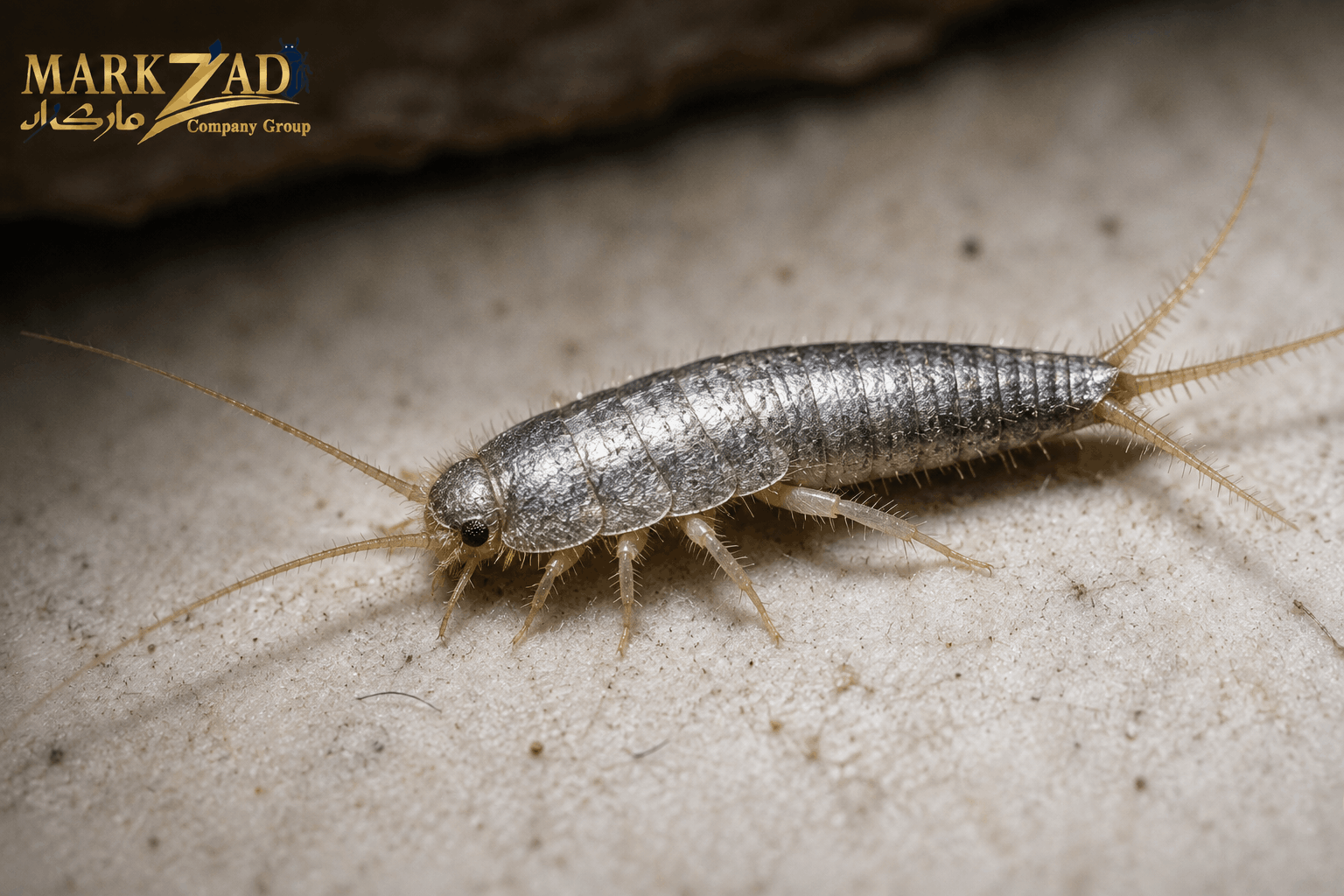

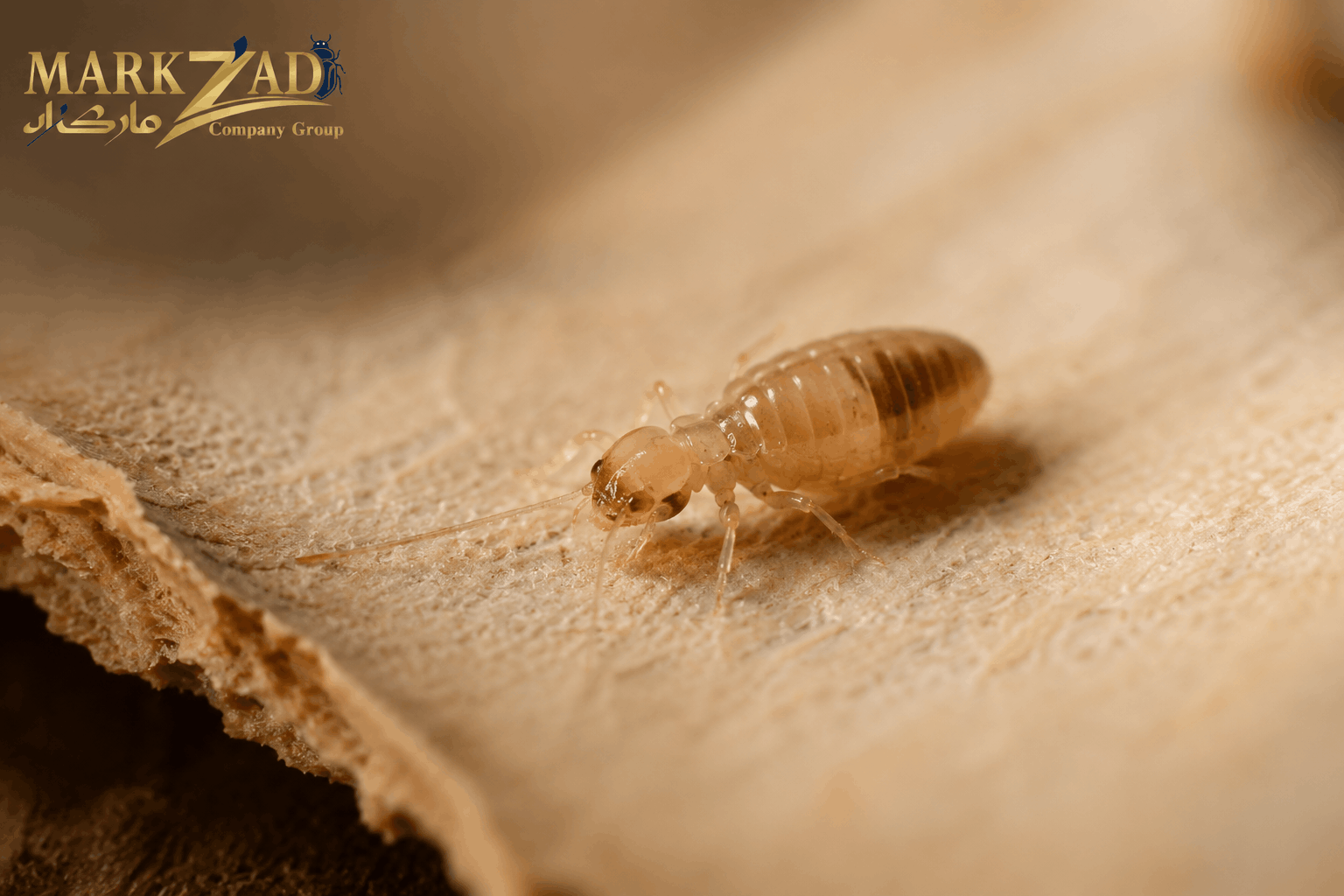
Booklice are tiny insects belonging to a group commonly known as psocids. They are usually found in warm, humid environments, including libraries, cupboards, storage rooms, kitchens, bathrooms, cardboard boxes, documents, and old books.
Despite their name, booklice are not related to human head lice. They do not live on people, feed on blood, or infest hair. They are attracted to books and paper because these materials may contain microscopic mold, starch, glue, and other organic substances.
What Do Booklice Look Like?
Booklice are usually between one and two millimeters long, making them difficult to notice without close inspection. Their common characteristics include:
- A very small, soft body.
- White, gray, or light-brown coloration.
- A relatively noticeable head.
- Long antennae.
- Rapid movement across paper and surfaces.
- Wingless forms as well as species with transparent wings.
- Large populations in humid, mold-prone locations.
Where Do Booklice Live?
Booklice prefer damp, poorly ventilated areas. They are commonly found in:
- Old books and closed libraries.
- Stored papers, files, and documents.
- Cardboard boxes.
- Damp wooden furniture.
- Wallpaper.
- Kitchens and food-storage areas.
- Flour, grains, and other dry foods.
- Walls affected by water leaks.
- Poorly ventilated warehouses.
Their presence may indicate excessive indoor humidity or hidden fungal growth.
What Do Booklice Eat?
Booklice do not usually feed directly on paper. Instead, they consume microscopic materials found on or around stored items, including:
- Mold and fungi.
- Starch used in bookbinding.
- Organic debris.
- Glue and adhesives.
- Stored grains and flour.
- Fungal growth on damp wood and cardboard.
For this reason, reducing moisture and removing mold are essential parts of successful booklice control.
Are Booklice Harmful to Humans?
Booklice do not bite people, suck blood, or live on the human body. They are not considered directly dangerous. However, an infestation may still cause several problems, such as:
- Contamination of books, papers, and stored materials.
- Damage to valuable documents during heavy infestations.
- Contamination of dry food products.
- Evidence of an underlying moisture or mold problem.
- Distress caused by large numbers of visible insects.
- Possible discomfort for sensitive individuals due to associated mold and dust.
Signs of a Booklice Infestation
Common signs include:
- Tiny insects moving across book pages.
- Insects gathering inside cardboard boxes and files.
- Activity near damp walls and windows.
- A musty odor inside cupboards or storage rooms.
- Visible mold or moisture stains.
- Repeated insect activity after ordinary cleaning.
- Small insects inside flour, grains, or dry food packaging.
Why Do Booklice Appear?
High Humidity
Moisture encourages fungal growth, which provides booklice with their main food source.
Poor Ventilation
Closed rooms and cupboards retain moisture and create favorable breeding conditions.
Water Leaks
Leaks from pipes, roofs, air-conditioning systems, or bathrooms may dampen walls, wood, paper, and cardboard.
Long-Term Storage
Books and cardboard stored for long periods without inspection or ventilation can support an infestation.
Improper Food Storage
Booklice may infest flour, grains, pasta, and other dry foods when products are stored in humid conditions or unsealed containers.
The Booklice Life Cycle
Female booklice lay eggs in cracks, damp areas, and among paper materials. The young nymphs resemble adults but are smaller. They pass through several developmental stages before reaching maturity.
Their development becomes faster under warm and humid conditions. As a result, a small infestation may grow quickly when the underlying moisture problem is not corrected.
How to Prevent Booklice
Effective preventive measures include:
- Reducing indoor humidity.
- Repairing water leaks immediately.
- Using a dehumidifier where necessary.
- Improving ventilation in rooms and cupboards.
- Avoiding direct storage of cardboard and books on floors.
- Discarding damp or heavily infested cardboard.
- Cleaning bookshelves regularly.
- Keeping dry food in sealed containers.
- Drying damp books before returning them to storage.
- Inspecting stored documents and products periodically.
- Removing mold and cleaning affected surfaces safely.
How to Get Rid of Booklice
Successful control requires changing the environmental conditions that allow booklice to survive. Pesticide application alone may not solve the infestation.
1. Eliminate Moisture
Identify and repair the source of excess humidity, whether it is a water leak, condensation, or inadequate ventilation.
2. Remove Heavily Infested Materials
Discard severely affected cardboard, paper, and contaminated food products when they cannot be cleaned safely.
3. Clean Thoroughly
Vacuum shelves, corners, cracks, and storage spaces. Empty the vacuum outdoors or dispose of the contents securely.
4. Dry Books and Documents
Place damp materials in a dry, well-ventilated area. Valuable documents should be treated carefully to avoid heat or moisture damage.
5. Improve Storage
Keep books and papers in dry locations and store grains, flour, and other foods in tightly sealed containers.
6. Use Professional Pest-Control Services
Professional intervention may be necessary when the infestation spreads through several rooms or repeatedly returns after cleaning.
MarkZad Booklice Control Services
MarkZad Company Group combats booklice through an integrated pest-management approach. The process begins with a detailed inspection to locate insect activity, moisture sources, fungal growth, and hidden breeding areas.
MarkZad’s approach may include:
- Inspecting libraries, cupboards, offices, and storage rooms.
- Identifying the source and extent of the infestation.
- Recommending moisture reduction and ventilation improvements.
- Treating cracks, corners, and concealed activity areas.
- Applying control methods suitable for the property.
- Providing preventive guidance to reduce the risk of reinfestation.
MarkZad does not focus only on visible insects. The aim is also to address the conditions supporting the infestation, helping achieve more effective and lasting control.
Why Early Treatment Is Important
Although booklice are tiny and do not bite, ignoring them may allow the infestation to spread through books, documents, cardboard, and stored food. Their presence may also reveal a moisture or mold issue that could affect the building and indoor air quality.
Early inspection, humidity control, and professional treatment can prevent the problem from becoming more widespread.
Conclusion
Booklice are tiny moisture-loving insects commonly associated with mold, poor ventilation, damp books, cardboard, and stored food. They do not live on humans or feed on blood, but they may contaminate stored materials and indicate a hidden humidity problem.
MarkZad Company Group provides professional solutions to combat and control booklice by inspecting affected areas, targeting infestation sites, and recommending preventive measures for homes, libraries, offices, and warehouses.