
German Cockroach
The German cockroach is one of the most common and difficult cockroach species to control in homes, restaurants, hotels, commercial kitchens, and food-related facilities. Although it is smaller than many other cockroach species, it is highly known for its fast reproduction and ability to hide in very narrow spaces.
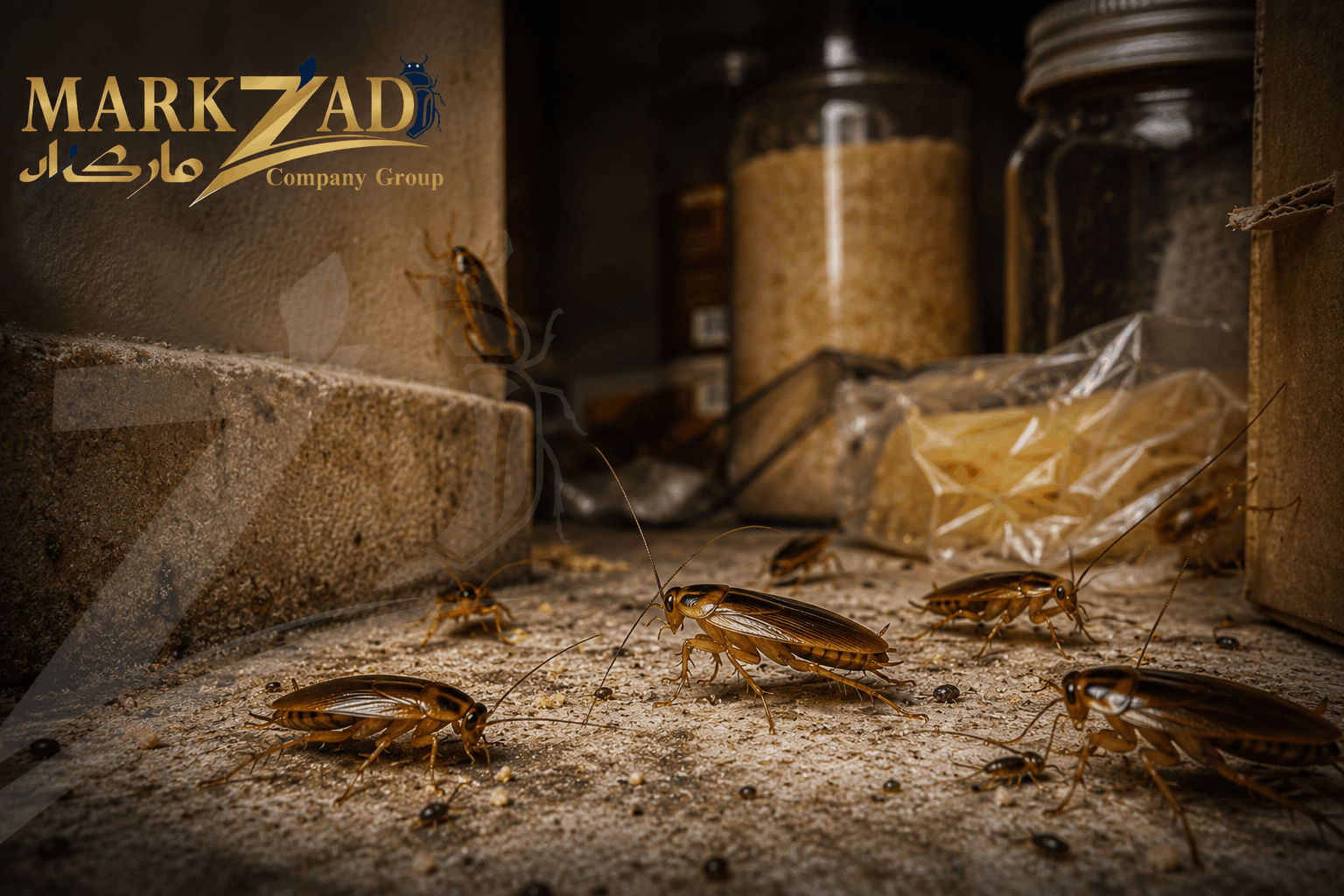
German cockroaches usually appear in places where food, moisture, and warmth are available. They are commonly found in kitchens, behind refrigerators, under sinks, inside cabinets, near garbage bins, and around warm electrical appliances.
Identification
The German cockroach is small in size and usually light brown to tan in color. It can be identified by two dark parallel stripes on the back area behind the head. It has long antennae and fast-moving legs that help it escape quickly when disturbed.
This species does not depend heavily on flying, but it moves very fast and can hide in cracks, corners, and small gaps.
Common Habitats
German cockroaches prefer indoor environments, especially areas close to food and water sources. They are commonly found in:
- Home kitchens.
- Restaurants and cafés.
- Hotels.
- Hospitals.
- Behind refrigerators and ovens.
- Inside kitchen cabinets.
- Under sinks.
- Near garbage bins.
- Cracks and corners.
- Around warm electrical equipment.
Their presence in restaurants or commercial kitchens can be a serious hygiene issue and may affect food safety and business reputation.
Causes of Infestation
Several conditions can attract German cockroaches, including:
- Exposed food leftovers.
- Grease buildup in kitchens.
- Water leaks or moisture.
- Garbage left for long periods.
- Small cracks and gaps.
- Stored cardboard boxes and old bags.
- Cockroaches entering through delivered goods or appliances.
- Poor cleaning behind appliances and under sinks.
German cockroaches reproduce quickly, so a small problem can turn into a heavy infestation if not treated properly.
Risks and Damage
The German cockroach is not only annoying, but it may also create hygiene and health concerns. It can move through contaminated areas and then reach food surfaces, kitchen tools, and storage areas.
Common risks include:
- Contaminating food and surfaces.
- Spreading bacteria indirectly.
- Creating unpleasant odors.
- Triggering allergies and asthma in some people.
- Rapid reproduction inside kitchens.
- Disturbing residents, visitors, or customers.
- Affecting the reputation of restaurants and food businesses.
Because of these risks, German cockroach activity should be handled quickly and professionally.
Signs of German Cockroach Activity
You may detect German cockroach activity through signs such as:
- Seeing small cockroaches at night.
- Small dark droppings in corners.
- Unpleasant odor in infested areas.
- Egg capsules.
- Cockroaches near refrigerators or sinks.
- Increased activity when lights are turned on after darkness.
Seeing German cockroaches during the day may indicate a larger infestation because hiding places may be overcrowded.
Prevention Methods
To reduce the risk of German cockroach infestation, follow these prevention steps:
- Clean the kitchen daily.
- Remove food leftovers immediately.
- Store food in sealed containers.
- Dispose of garbage regularly.
- Clean grease behind ovens and refrigerators.
- Repair water leaks.
- Seal cracks and gaps.
- Avoid leaving dirty dishes overnight.
- Reduce stored cardboard and clutter.
- Inspect new items before bringing them indoors.
Prevention is very important, but it may not be enough if the infestation is already active.
Control Methods
German cockroach control requires a targeted plan because this species hides in tiny spaces and reproduces rapidly. Effective control methods include:
- Detailed inspection of kitchens and humid areas.
- Locating hiding and breeding sites.
- Using professional cockroach gel baits.
- Applying suitable insecticides in cracks and corners.
- Treating behind appliances and under sinks.
- Reducing food and water sources.
- Monitoring the infestation after treatment.
- Repeating treatment when necessary.
Random spraying alone may not provide strong results because German cockroaches require targeted treatment in their hiding areas.
When to Call a Pest Control Company
You should contact a professional pest control company when cockroaches keep appearing, when they are seen inside the kitchen, or when the infestation affects a restaurant, food facility, or commercial property.
MarkZad Pest Control provides professional German cockroach control solutions through inspection, source identification, and effective treatment methods designed to reduce infestation and protect the property.
Conclusion
The German cockroach is one of the most troublesome cockroach species because of its rapid reproduction and ability to hide in very small spaces. Cleaning and prevention are important, but active infestations often require professional control.
If German cockroaches are spreading inside your home, restaurant, or facility, working with a specialized team such as MarkZad Pest Control can help control the problem safely and effectively.
German cockroach, German cockroach control, cockroach infestation, cockroach treatment, pest control, cockroach prevention, professional pest control