
Flies are among the most common pests found in homes, restaurants, kitchens, farms, warehouses, and commercial facilities. There are many species, but the housefly is one of the most widespread species living close to people.
Flies are attracted to garbage, food waste, animal waste, moisture, and decomposing organic matter. They then move onto food, utensils, and preparation surfaces. Their main risk comes from their ability to carry contaminants and microorganisms on their bodies and legs.
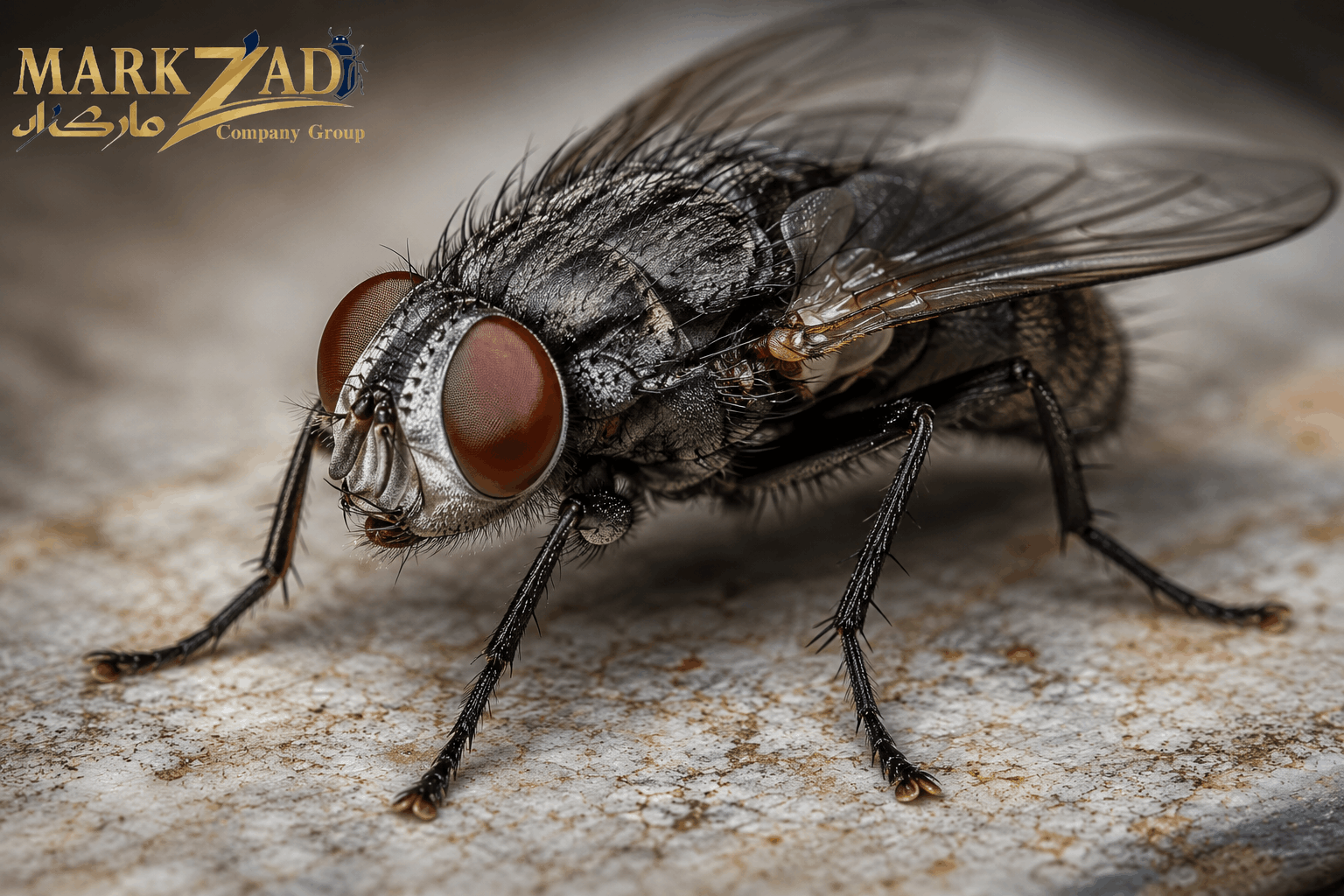
What Do Houseflies Look Like?
The common housefly has several recognizable features:
- A small gray or dark-colored body.
- One pair of transparent wings.
- Large compound eyes.
- Six legs covered with fine hairs.
- Dark stripes across the thorax.
- Fast and active flight.
- Mouthparts adapted for consuming liquids and softened food.
Houseflies cannot chew solid food. They release fluids onto it, dissolve part of the material, and then absorb it.
Where Do Flies Live and Breed?
Flies live and reproduce near food, moisture, and decomposing organic material. Common breeding and activity sites include:
- Garbage bins.
- Kitchens.
- Restaurants.
- Food stores.
- Fruit and meat markets.
- Animal waste.
- Farms and livestock areas.
- Drains.
- Exposed food waste.
- Poorly maintained warehouses.
- Areas containing stagnant water.
- Waste collection zones.
They can enter buildings through open doors, windows, ventilation gaps, and damaged screens.
The Fly Life Cycle
Flies pass through four main stages:
- Egg.
- Larva.
- Pupa.
- Adult fly.
Female flies lay eggs in garbage, manure, food waste, or other moist organic materials. The eggs hatch into pale larvae, commonly known as maggots.
The larvae feed on decomposing material before developing into pupae. Adult flies later emerge from the pupal stage. In warm conditions, this life cycle may be completed quickly, causing fly populations to increase rapidly.
Why Do Flies Appear?
Accumulated Garbage
Uncovered waste and infrequent garbage removal provide ideal feeding and breeding conditions.
Exposed Food
Food scraps, sugary drinks, and overripe fruit attract flies into kitchens and dining areas.
Dirty Drains
Organic matter can accumulate inside drains and provide breeding material for some fly species.
Animal Waste
Animal feces strongly attract flies, especially on farms, in livestock areas, and around pets.
Open Doors and Windows
Unprotected openings allow adult flies to enter buildings easily.
Warm Temperatures
Warm weather increases fly activity and speeds up reproduction.
Moisture and Stagnant Water
Moist areas may support the development of certain fly species.
Signs of a Fly Infestation
Warning signs include:
- Large numbers of flies indoors.
- Flies gathering around food or garbage.
- Pale larvae inside waste containers.
- Repeated fly activity near drains.
- Flies returning despite regular cleaning.
- Clusters of flies near windows.
- Odors from decomposing material.
- Flies inside food-preparation areas.
- Persistent activity inside restaurants or warehouses.
Risks and Damage Caused by Flies
Food Contamination
Flies move between waste, animal feces, and food, potentially contaminating exposed products.
Mechanical Transfer of Microorganisms
Bacteria and other contaminants may attach to a fly’s legs, body hairs, and mouthparts and then be transferred onto food and surfaces.
Food-Safety Problems
Fly activity inside kitchens, restaurants, and food-processing facilities can indicate a serious hygiene issue.
Disturbance and Nuisance
Their constant movement and buzzing around people and food cause significant discomfort.
Rapid Reproduction
A small problem can become a large infestation when breeding material is available.
Harm to Business Reputation
Visible flies inside a restaurant, hotel, or store may create a negative impression and reduce customer confidence.
Health Problems Associated With Flies
Flies may contribute to food and surface contamination, particularly when they move directly from waste or fecal material to food.
Potential problems include:
- Digestive illness.
- Diarrhea.
- Food poisoning.
- Bacterial food contamination.
- Increased exposure to harmful microorganisms.
- Greater infection risk in unhygienic locations.
The presence of one fly does not automatically mean illness will occur. However, frequent fly activity around food increases the risk of contamination.
Common Types of Flies
Houseflies
Common in homes, restaurants, markets, and waste areas.
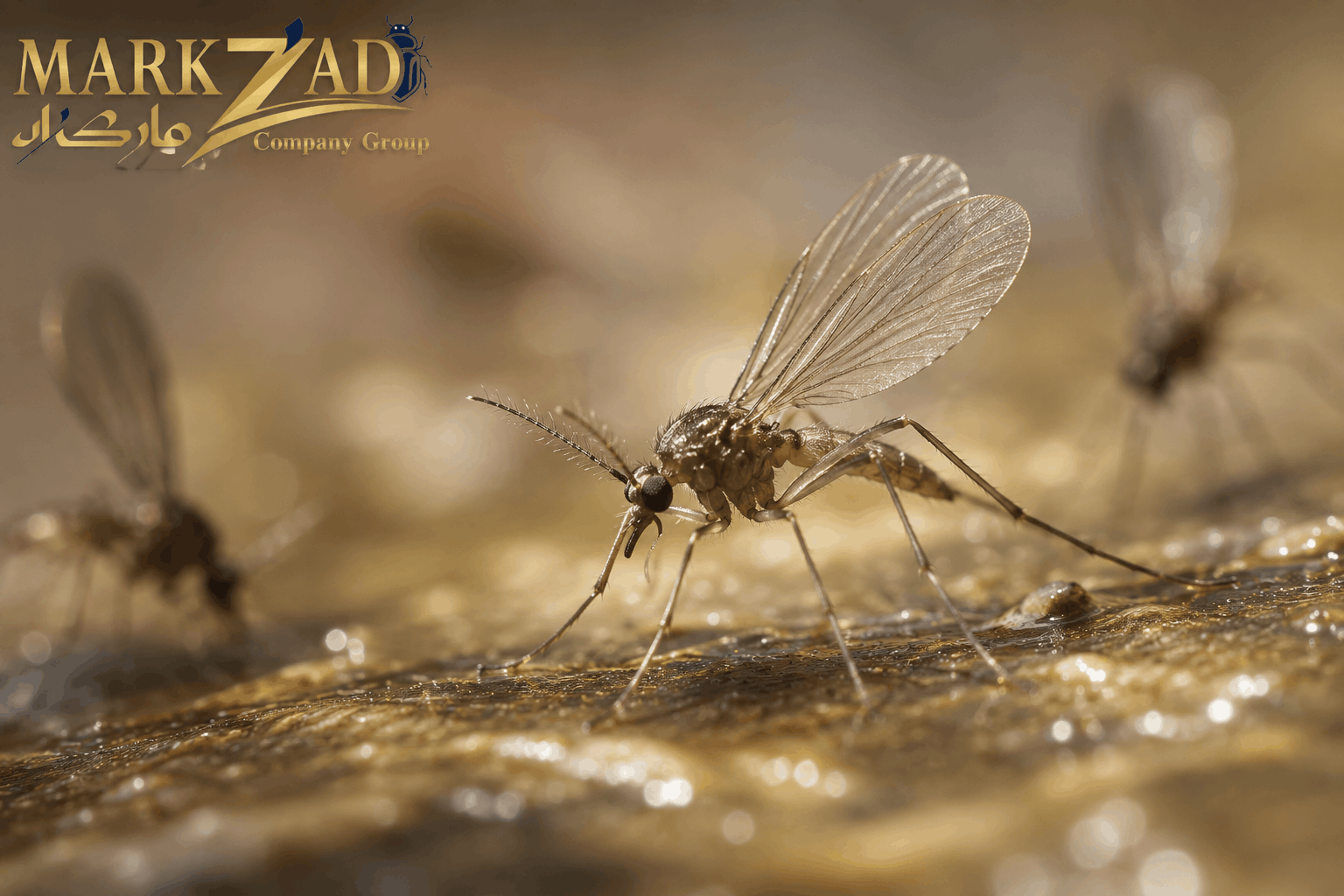
Fruit Flies
Small flies attracted to overripe fruit, juice, and fermenting liquids.
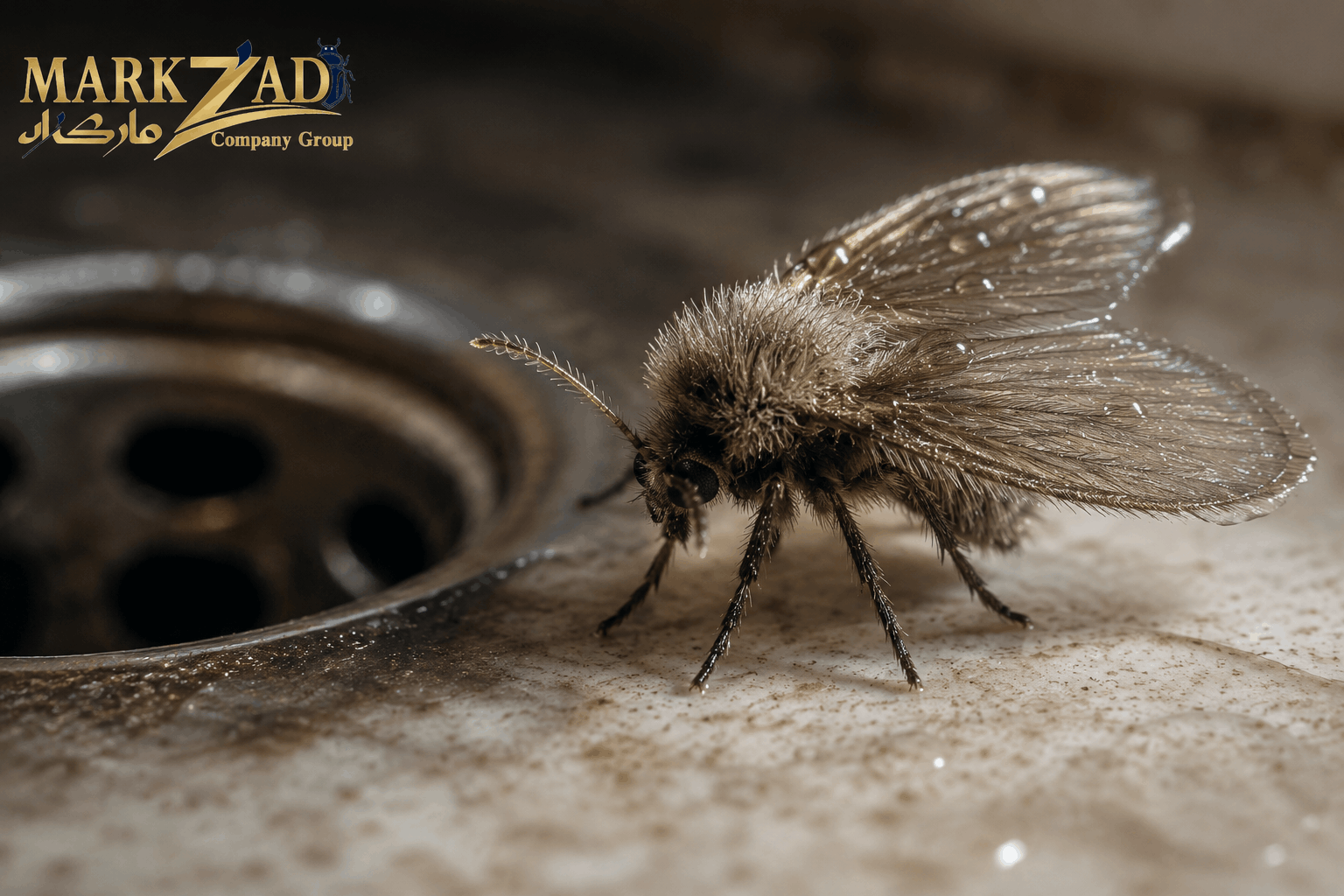
Drain Flies
Usually found around sinks and drains, where their larvae develop in organic buildup.
Flesh Flies
Larger flies attracted to meat, waste, and decaying animal material.
Blowflies
Often metallic blue or green and commonly found near garbage, meat, and decomposing material.
Correct identification is important because breeding sources and control methods differ between species.
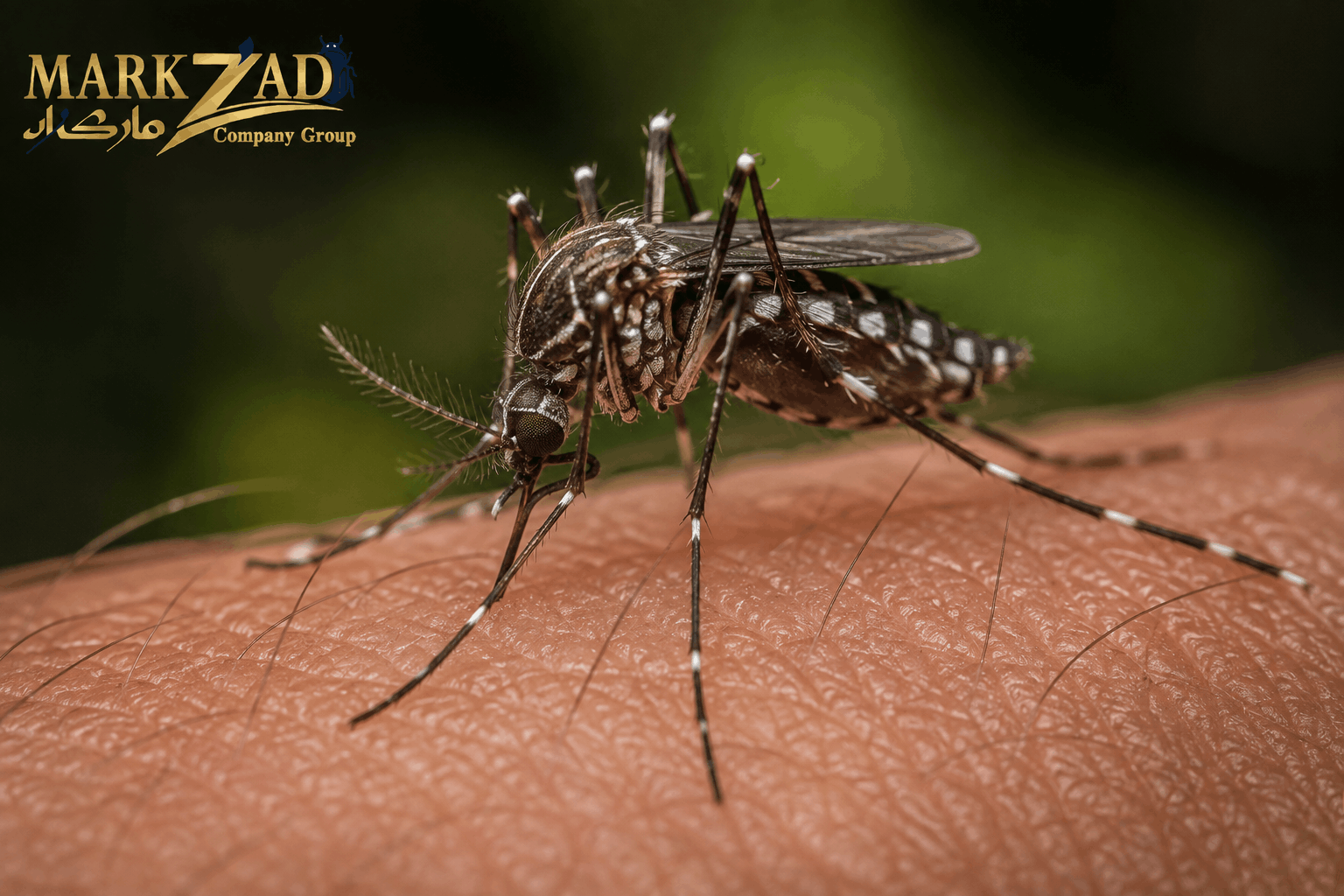
Flies Versus Mosquitoes
Flies and mosquitoes are both flying insects, but they are different in several ways:
- Houseflies generally do not feed on blood.
- Female mosquitoes of many species require blood meals.
- Flies are commonly attracted to food and garbage.
- Mosquitoes are strongly associated with stagnant water.
- Mosquitoes have thinner bodies and longer legs.
- Their breeding sites and control requirements differ.
How to Prevent Flies
- Keep garbage bins tightly covered.
- Remove waste regularly.
- Clean the inside of garbage containers.
- Keep food covered.
- Store food in sealed containers or refrigeration.
- Clean spills immediately.
- Wash dirty dishes promptly.
- Clean drains and drainage openings.
- Install screens on windows.
- Use suitable air curtains at commercial entrances.
- Seal structural gaps and openings.
- Remove animal waste regularly.
- Discard damaged or overripe fruit.
- Maintain hygiene in food-preparation areas.
- Eliminate stagnant water and excess moisture.
How to Control Flies
Locate the Breeding Source
Killing adult flies alone is not enough. Garbage, drains, animal waste, or decaying organic materials must be located and addressed.
Remove Attractants
Food waste, spilled liquids, garbage, and decomposing material should be removed.
Clean Drains
Drain systems may require deep cleaning to remove organic buildup supporting fly development.
Prevent Entry
Window screens, sealed gaps, closed doors, and entrance-management systems reduce indoor fly activity.
Use Traps Correctly
Light traps and adhesive traps may be helpful when placed in suitable locations away from exposed food.
Obtain Professional Pest Control
Professional assistance is recommended when fly numbers are high, breeding sources are difficult to locate, or the problem continues after cleaning.
Common Fly-Control Mistakes
Fly problems often continue when people:
- Spray only the adult flies they can see.
- Ignore breeding materials.
- Leave food exposed.
- Fail to clean drains.
- Use unsuitable pesticides around food.
- Leave entrances open.
- Position traps incorrectly.
- Ignore outdoor waste areas.
- Skip monitoring and follow-up.
MarkZad Fly Control Services
MarkZad Company Group combats and controls flies in homes, villas, restaurants, hotels, warehouses, factories, markets, and food-related facilities.
The service begins with a thorough site inspection to determine:
- The fly species present.
- The infestation level.
- Food and moisture attractants.
- Breeding locations.
- Problems around garbage containers.
- The condition of drains.
- Entry points around doors and windows.
- Indoor and outdoor areas requiring treatment.
Following the inspection, MarkZad develops a control program suited to the property. The program may include:
- Controlling adult flies.
- Targeting breeding locations.
- Treating garbage-storage areas.
- Identifying drainage and moisture problems.
- Using methods suitable for homes and businesses.
- Recommending suitable trap locations.
- Improving sanitation and waste-management practices.
- Conducting follow-up visits when necessary.
MarkZad aims to address the source of the infestation rather than focusing only on visible adult flies. This approach helps achieve stronger and longer-lasting results.
Fly Control in Restaurants and Food Facilities
Restaurants, central kitchens, bakeries, and food-processing facilities require strict sanitation because flies can move quickly between waste and food.
Important measures include:
- Daily waste management.
- Thorough cleaning of food-preparation areas.
- Maintaining door and window screens.
- Installing appropriate traps.
- Cleaning drains.
- Inspecting outdoor areas.
- Training staff to keep food covered.
- Maintaining a regular pest-management program.
MarkZad can develop a fly-control program based on the type of business, infestation level, and conditions found on site.
When Is Professional Treatment Needed?
Professional support is recommended when:
- Large numbers appear every day.
- Maggots are found in waste.
- Flies return after cleaning.
- They spread through a restaurant or kitchen.
- Drain flies continue to appear.
- The breeding source cannot be located.
- Several parts of the property are affected.
- A food facility requires ongoing protection.
- Traps alone do not solve the problem.
Conclusion
Flies are more than a simple nuisance. They may contaminate food and surfaces after moving between waste, animal feces, and food-preparation areas. Effective control depends on locating breeding sources, improving sanitation, managing waste, and blocking entry points.
MarkZad Company Group combats flies through detailed inspection, treatment of breeding areas, control of adult insects, and practical preventive recommendations for homes, businesses, and food facilities.