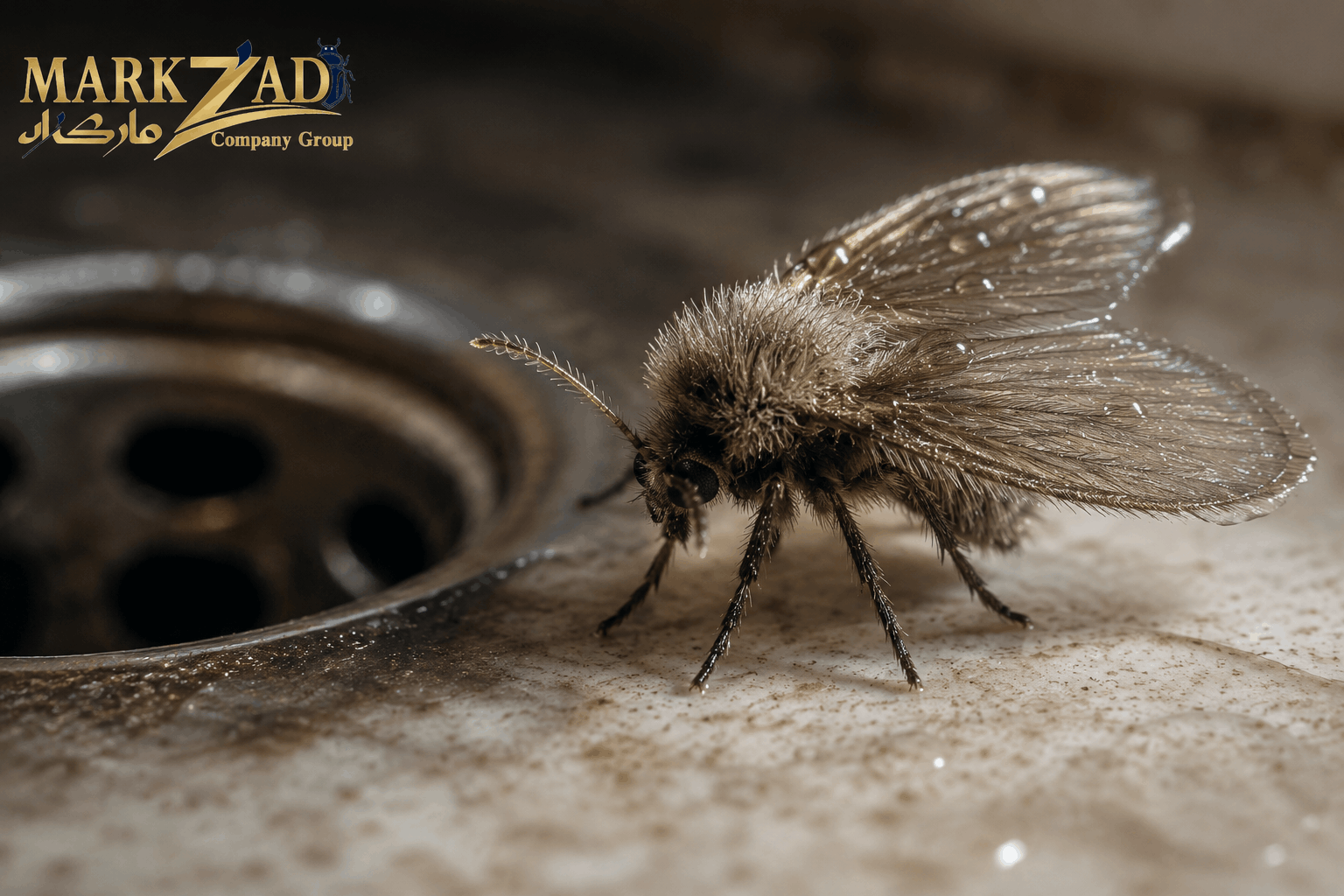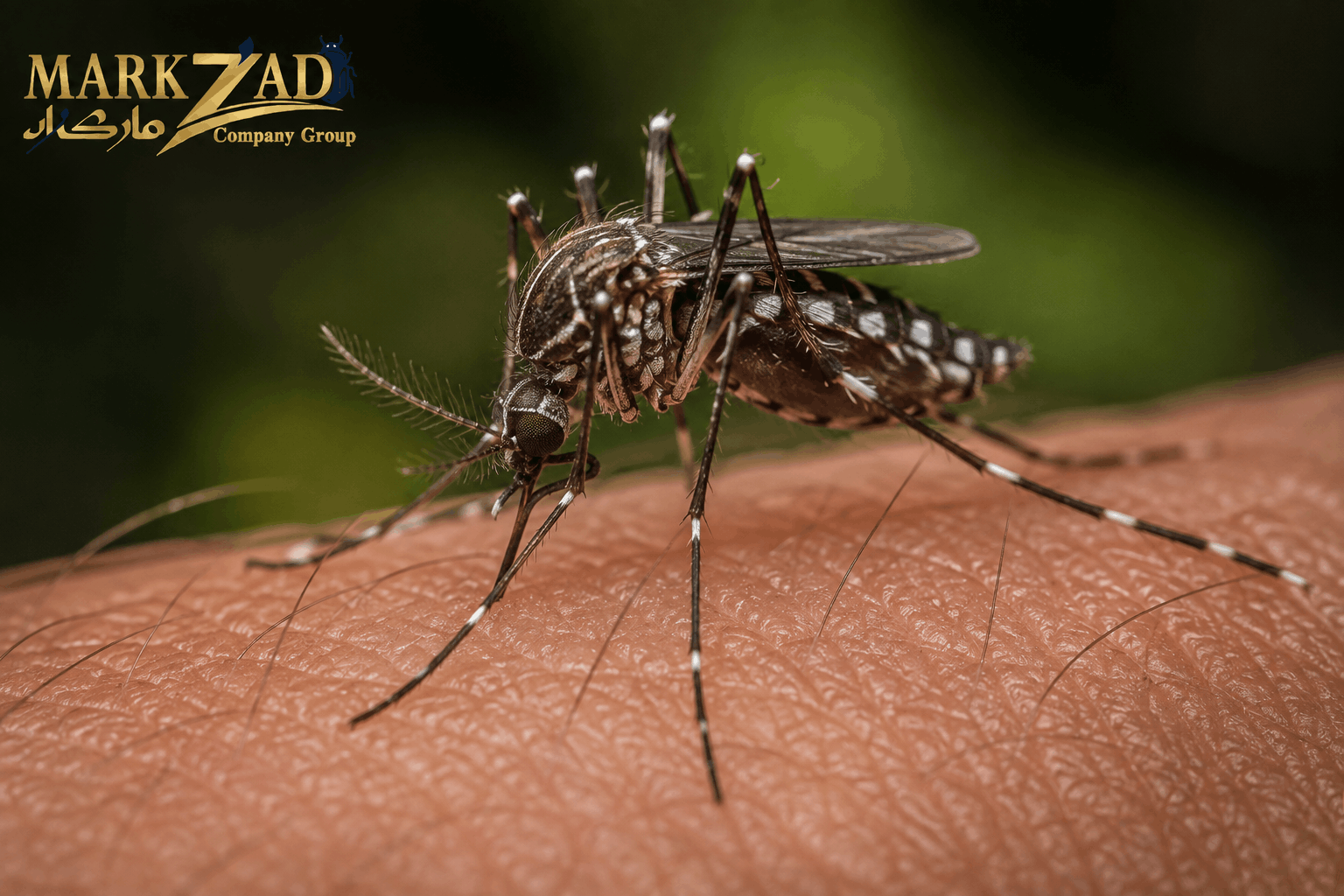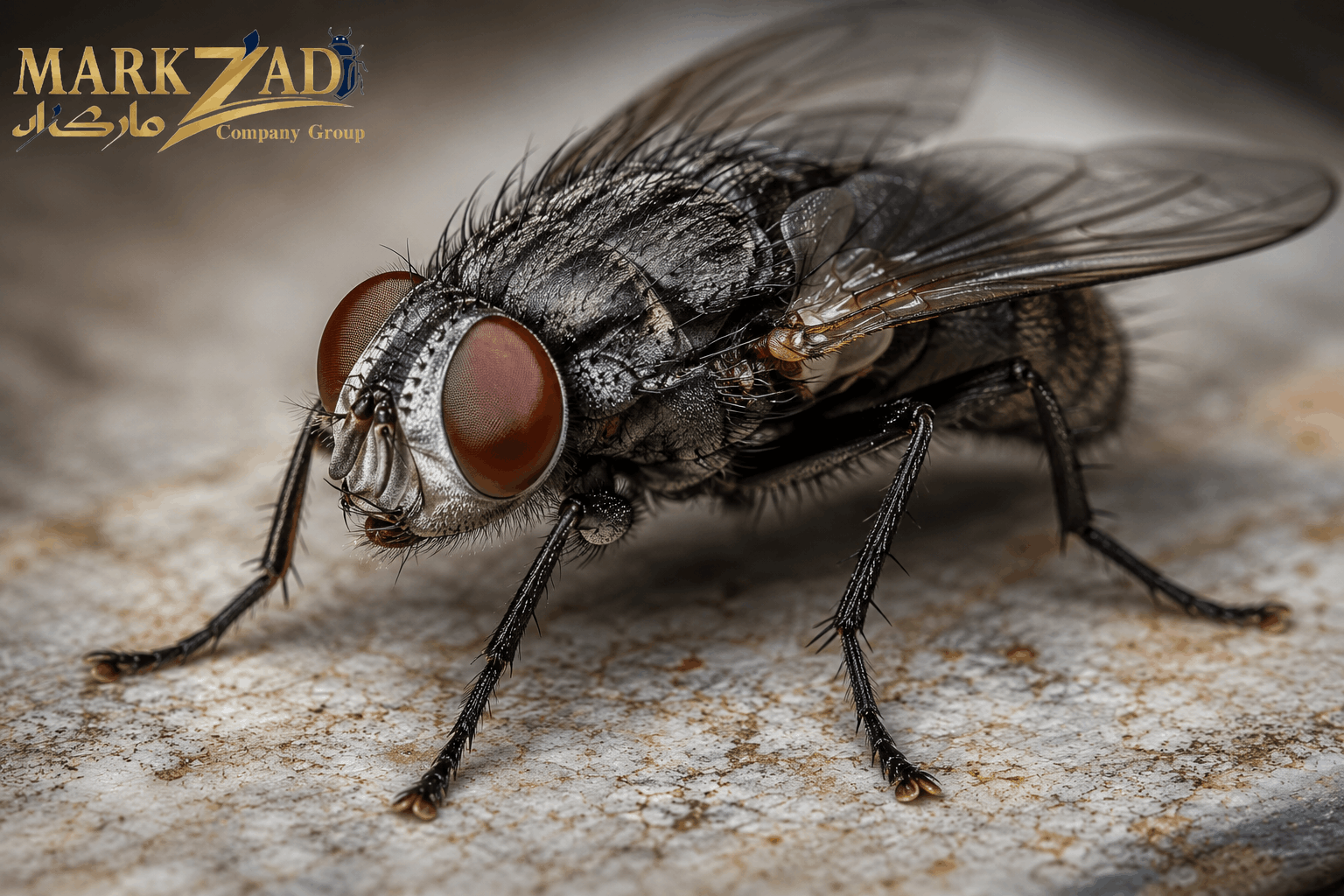

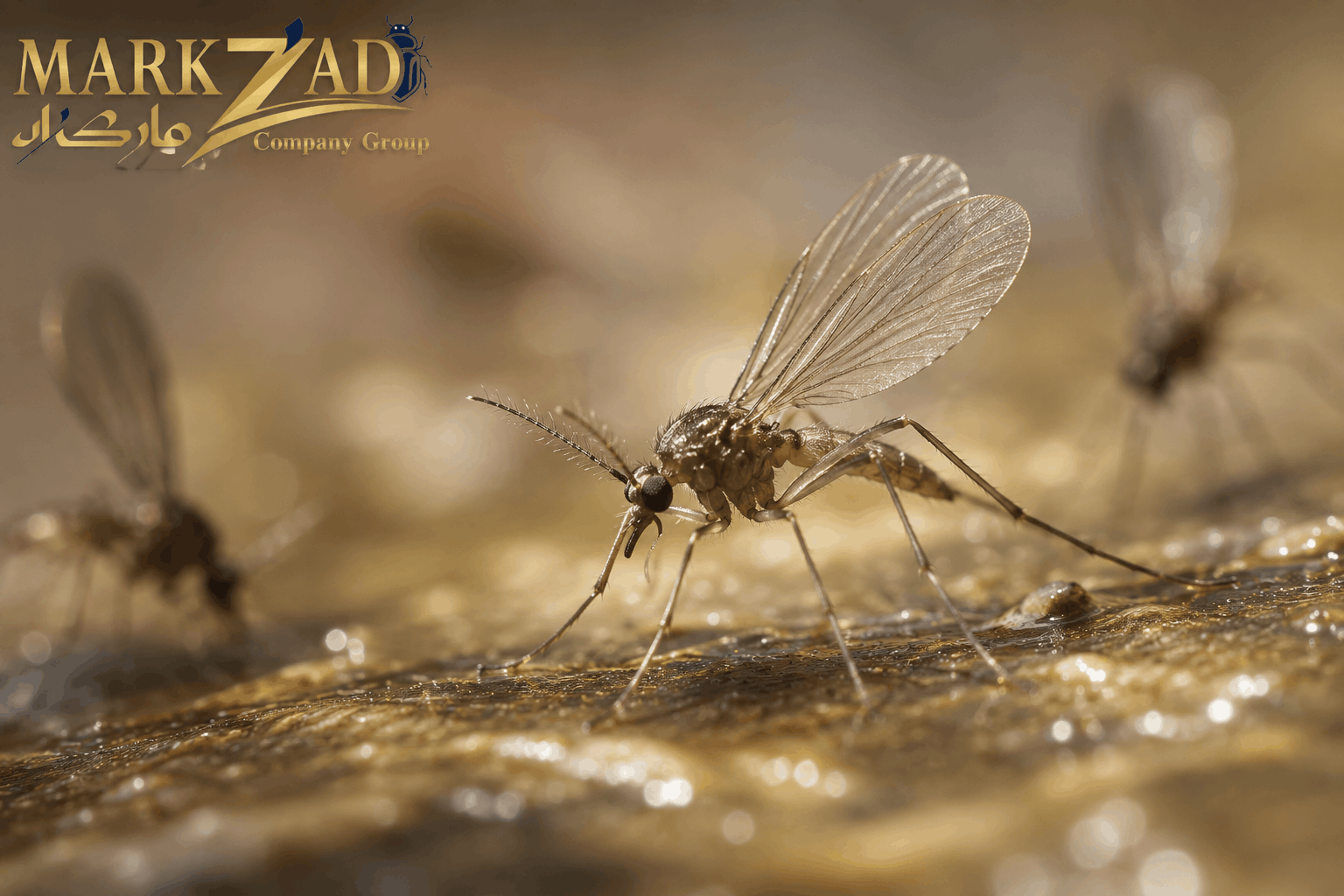
The word gnat is a general name used for several types of tiny flying insects. It may refer to fungus gnats, plant gnats, small flies associated with drains, and other moisture-loving insects.
Gnats commonly appear around houseplants, damp soil, sinks, drains, overripe fruit, garbage, and decomposing organic matter. Their exact breeding source and control method depend on the species present.
What Do Gnats Look Like?
Gnats commonly have:
- A very small body.
- Black, gray, or brown coloration.
- Thin, relatively long legs.
- One pair of transparent wings.
- Noticeable antennae in some species.
- Weak or irregular flight.
- A tendency to gather around moisture or organic material.
Their small size means they are often confused with mosquitoes, fruit flies, or drain flies.
Where Do Gnats Live?
Gnats are commonly found in:
- Moist houseplant soil.
- Plant saucers.
- Kitchens.
- Bathrooms.
- Sinks and drains.
- Garbage containers.
- Overripe fruit.
- Food and drink residue.
- Water-leak areas.
- Gardens and planted areas.
- Compost and organic fertilizer.
- Damp storage areas.
- Air-conditioning and cooling zones.
Common Types of Gnats
Fungus Gnats
Fungus gnats commonly breed in moist potting soil. Their larvae feed on fungi and decaying organic matter and may damage fine plant roots when populations become high.
Fruit-Associated Small Flies
These insects are attracted to ripe fruit, juice, sugary liquids, and fermenting material. They are commonly found in kitchens, restaurants, and food businesses.
Drain-Associated Gnats
Small flies may appear near sinks and drains when organic material and moisture accumulate inside pipes.
Outdoor Gnats
Some species live in gardens, vegetation, and wet outdoor environments. Most household gnats do not bite, although some outdoor species can bite humans or animals.
The Gnat Life Cycle
Most gnats pass through four stages:
- Egg.
- Larva.
- Pupa.
- Adult.
Females lay eggs in moist soil, organic debris, drain buildup, or other damp breeding material. Larvae hatch, feed, and develop before forming pupae and emerging as adults.
Warm temperatures, high moisture, and available food can shorten development and allow populations to increase quickly.
Why Do Gnats Appear?
Overwatered Plants
Constantly damp soil supports fungi and organic material that feed fungus gnat larvae.
Ripe or Damaged Fruit
Exposed fruit, juice, and fermenting liquids attract small fruit-associated flies.
Garbage Buildup
Uncovered organic waste provides food and breeding material.
Dirty Drains
Grease, soap, hair, and food residue inside drains may support small fly development.
Water Leaks
Moisture beneath sinks, behind appliances, or around air-conditioning systems may create hidden breeding sites.
Poor Ventilation
Warm, humid, enclosed areas support fungal growth and insect development.
Infested Soil or Plants
Gnats may enter a property in new houseplants, potting soil, compost, or organic fertilizer.
Exposed Food and Drinks
Sugary liquids and food residue quickly attract some small fly species.
Signs of a Gnat Infestation
- Tiny insects flying around people or lights.
- Gnats hovering around houseplants.
- Insects emerging when plant pots are moved.
- Activity around sinks and drains.
- Flies gathering near fruit or garbage.
- Small larvae in moist soil.
- Continued activity after ordinary cleaning.
- Weak or yellowing plants.
- Increased numbers after watering.
- Persistent activity in kitchens or bathrooms.
Do Gnats Bite?
Most common household gnats, including fungus gnats, do not feed on human blood and do not bite. They are primarily nuisance insects.
However, certain outdoor species may bite. Repeated bite-like symptoms therefore require correct pest identification rather than relying only on the general name “gnat.”
Problems Caused by Gnats
Persistent Nuisance
They may fly around faces, food, plants, and lights.
Plant Damage
Large fungus gnat populations may damage fine roots, seedlings, and weak plants.
Food and Surface Contamination
Small flies may travel from garbage or drains to food-preparation surfaces.
Rapid Reproduction
Warmth and moisture can lead to a rapid increase in numbers.
Warning of Other Problems
Gnats may indicate:
- Overwatered plants.
- Mold or fungal growth.
- Water leaks.
- Dirty drains.
- Poor waste management.
- Spoiled food.
Business Impact
Gnats inside restaurants, hotels, offices, and plant nurseries may affect hygiene, customer comfort, and business reputation.
Gnats Versus Mosquitoes
- Gnats are usually smaller.
- Mosquitoes are strongly associated with standing water.
- Gnats may breed in soil, fruit, drains, or organic matter.
- Female mosquitoes of many species bite, while most household gnats do not.
- Mosquitoes have a more noticeable feeding proboscis.
- Gnats often hover in groups close to their breeding source.
Gnats Versus Fruit Flies
Fungus gnats usually have slender bodies and longer legs and are commonly found around plant soil. Fruit flies are more compact and gather around fruit, juice, and fermenting liquids.
The location of activity often helps identify the pest:
- Around plant soil: likely fungus gnats.
- Around fruit and drinks: likely fruit flies.
- Around drains: possibly drain flies or another drain-associated species.
- Around standing water: possibly mosquitoes.
How to Prevent Gnats
Control Plant Watering
Allow the upper soil layer to dry appropriately before watering again, without harming the plant.
Improve Soil Drainage
Use pots with adequate drainage holes and avoid leaving water in plant saucers.
Remove Spoiled Fruit
Discard damaged or overripe produce and avoid leaving fruit exposed.
Clean Kitchens
Remove food residue, juice, and sugary spills promptly.
Cover Garbage
Use tightly sealed containers and remove organic waste regularly.
Clean Drains
Remove organic deposits from sinks, drains, and drainage openings.
Repair Leaks
Fix plumbing, air-conditioning, and irrigation leaks.
Inspect New Plants
Check new plants and soil before bringing them indoors. Isolate infested plants when necessary.
Improve Ventilation
Reducing humidity helps limit fungal growth and some gnat breeding conditions.
How to Get Rid of Gnats
1. Identify the Species
Determine whether activity is associated with plants, fruit, drains, or standing water.
2. Locate the Breeding Source
Inspect plant pots, saucers, drains, garbage containers, stored fruit, leaks, and damp areas behind appliances.
3. Reduce Excess Soil Moisture
For fungus gnats, reduce unnecessary watering and allow the soil to dry to an appropriate level.
4. Remove Decaying Organic Material
Remove fallen leaves, plant debris, spoiled fruit, food waste, and other organic matter.
5. Clean Drains
When gnats gather around sinks, clean organic deposits from inside the drainage system, not just the visible surface.
6. Use Monitoring Traps
Sticky traps can help monitor and reduce adult populations, but they do not eliminate larvae and eggs by themselves.
7. Target the Larval Stage
Serious infestations may require an appropriate soil or breeding-site treatment selected by a pest-control professional.
8. Follow Up
New adults may continue to emerge from eggs and larvae present during the initial treatment, so monitoring is essential.
Common Gnat-Control Mistakes
- Spraying only visible adults.
- Continuing to overwater plants.
- Leaving water in plant saucers.
- Ignoring infested soil.
- Leaving fruit and drinks exposed.
- Failing to clean garbage containers and drains.
- Applying random pesticides near food.
- Mixing drain-cleaning chemicals.
- Moving infested plants between rooms.
- Relying only on traps.
- Ignoring water leaks and damp areas.
MarkZad Gnat Control Services
MarkZad Company Group combats and controls gnats in homes, villas, offices, restaurants, hotels, nurseries, warehouses, and commercial facilities.
The service begins with an inspection to identify:
- The insect species.
- The infestation level.
- The main breeding source.
- The condition of plants and soil.
- Organic drain buildup.
- Moisture and leakage problems.
- Attracting food or organic material.
- Affected indoor and outdoor areas.
Based on the inspection, MarkZad develops a suitable control program that may include:
- Treating larval breeding locations.
- Reducing adult gnat numbers.
- Addressing infested soil or drains.
- Locating moisture sources.
- Providing plant-watering recommendations.
- Removing insect attractants.
- Conducting follow-up monitoring.
- Applying preventive measures to reduce recurrence.
MarkZad does not focus only on visible adult insects. Its approach targets eggs, larvae, adults, and the breeding conditions supporting the infestation.
Conclusion
Gnats are tiny flying insects that may breed in moist soil, drains, fruit, waste, and decaying organic matter. Most household species do not bite, but they can become a persistent nuisance, damage plants, and contaminate nearby surfaces.
Effective control depends on correct identification, breeding-source removal, moisture reduction, proper plant watering, drain cleaning, and sanitation. MarkZad Company Group combats gnats through professional inspection, targeted treatment, and preventive recommendations designed to reduce reinfestation.