
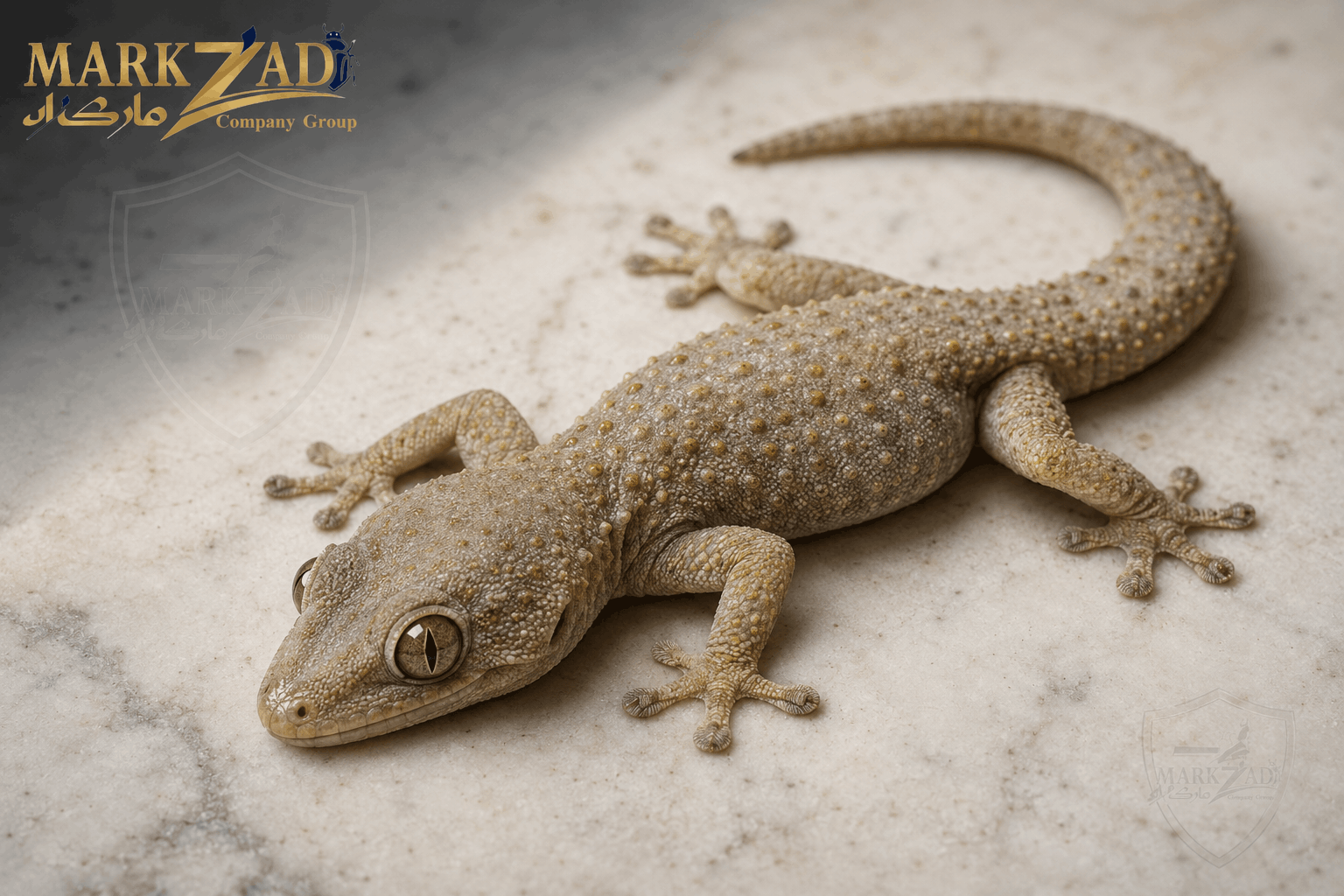
What Is a House Gecko?
A house gecko is a small reptile commonly found in warm climates. It can climb walls, ceilings, windows, and other smooth surfaces because of the specialized structure of its feet.
Geckos often enter residential and commercial buildings while searching for insects, warmth, shelter, and quiet hiding places. Although many house geckos are not aggressive toward people, their presence indoors can be disturbing, especially when they appear in kitchens, bedrooms, food-storage areas, restaurants, or offices.
Effective gecko control requires more than removing an individual gecko. The entry points, hiding areas, and insect activity attracting it must also be addressed.
Why Do Geckos Enter Homes?
Several conditions can attract geckos to a property.
Insect Activity
Geckos feed on flies, mosquitoes, moths, small cockroaches, and other insects. A building with frequent insect activity provides them with a reliable source of food.
Cracks and Openings
Geckos can enter through wall cracks, spaces beneath doors, damaged window screens, ventilation openings, and gaps around pipes or air-conditioning systems.
Exterior Lighting
Bright exterior lights attract flying insects at night. Geckos may gather near doors, windows, and light fixtures to hunt these insects.
Warm Temperatures
Geckos prefer warm environments, which is why they are more commonly seen during hot weather and in buildings that provide protected, heated areas.
Clutter and Storage Materials
Cardboard boxes, stored furniture, wood piles, and disorganized storage rooms provide suitable hiding locations.
Nearby Gardens and Vegetation
Trees, climbing plants, and shrubs touching the building can give geckos easy access to roofs, windows, and wall openings.
Signs of a Gecko Infestation
Common signs of gecko activity include:
- Seeing geckos on walls or ceilings at night.
- Finding small, dark droppings with a white tip.
- Hearing light clicking or chirping sounds from some species.
- Frequent activity near lights and windows.
- Seeing geckos move behind furniture or appliances.
- Finding small eggs in cracks or undisturbed storage areas.
Repeated sightings may indicate that the property offers suitable food, shelter, and entry points.
Problems Caused by Geckos Indoors
Most common house geckos are not venomous and usually avoid people. However, their presence can still create several problems.
Surface Contamination
Gecko droppings can stain floors, walls, shelves, and storage areas. Surfaces contaminated with droppings should be cleaned and disinfected carefully.
Fear and Disturbance
Their sudden appearance and rapid movement can cause fear and discomfort, particularly among children and people who are uncomfortable around reptiles.
Activity Near Food
Geckos may travel across kitchen counters, cabinets, and food-storage areas. Any potentially contaminated surface should be cleaned before food preparation.
Reproduction Inside the Property
When safe hiding places and food are available, geckos may lay eggs inside cracks, storage rooms, roof spaces, or behind furniture.
Indication of an Insect Problem
Frequent gecko activity can indicate that insects are present in significant numbers. This means that a complete solution should include both gecko removal and insect control.
Where Do Geckos Hide?
Geckos usually choose warm, quiet, and undisturbed locations, including:
- Behind refrigerators and ovens.
- Under kitchen cabinets.
- Behind curtains and wall decorations.
- Inside wall and ceiling cracks.
- Around air-conditioning openings.
- Behind large pieces of furniture.
- Inside storage rooms.
- Near windows and exterior lights.
- Among plants and vegetation near the building.
Locating these areas is an important part of an effective gecko control program.
How to Get Rid of Geckos
Professional gecko control focuses on reducing the conditions that allow geckos to enter and remain inside a property.
Seal Cracks and Entry Points
Cracks in walls, floors, ceilings, and exterior surfaces should be sealed. Door sweeps can be installed to close gaps beneath doors, while openings around pipes and air-conditioning lines should be properly secured.
Install Window and Vent Screens
Strong, well-fitted screens help prevent both geckos and insects from entering. Damaged screens should be repaired or replaced.
Control Household Insects
Reducing flies, mosquitoes, cockroaches, and moths removes an important food source for geckos.
Remove Clutter
Old cardboard boxes, unused furniture, wood, and unnecessary stored materials should be removed or organized.
Manage Exterior Lighting
Reducing unnecessary exterior lighting near doors and windows may help decrease the number of insects gathering around entry points.
Trim Vegetation
Tree branches, shrubs, and climbing plants should be kept away from walls, roofs, windows, and ventilation openings.
Hire a Professional Pest Control Company
When geckos continue to appear or their entry points cannot be identified, a professional gecko pest control company can inspect the property and create a suitable treatment and prevention plan.
Why Home Remedies May Not Be Enough
Some home remedies may temporarily drive a gecko away from a visible area, but they rarely address the actual source of the problem.
A gecko may remain hidden inside a wall opening or return because insects are still available. Uncontrolled use of pesticides or chemicals may also be ineffective and can create unnecessary risks for children, pets, and other occupants.
A complete gecko control plan should include:
- Inspecting the property.
- Identifying entry points.
- Locating possible hiding areas.
- Controlling insects.
- Sealing cracks and openings.
- Applying preventive recommendations.
MarkZad Gecko and Pest Control Services
MarkZad Pest Control Company provides integrated solutions for gecko and pest problems in homes, villas, apartments, restaurants, warehouses, offices, and commercial facilities.
The service is not limited to removing a visible gecko. MarkZad’s specialists inspect the location, determine why geckos are entering, identify possible hiding areas, and address the insect activity that may be attracting them.
MarkZad’s services may include:
- Inspecting indoor and outdoor areas.
- Locating gecko entry points.
- Identifying cracks, gaps, and damaged screens.
- Controlling insects that attract geckos.
- Recommending suitable exclusion measures.
- Addressing likely hiding locations.
- Providing prevention and follow-up guidance.
- Developing solutions based on the property and level of activity.
Why Choose MarkZad Pest Control Company?
MarkZad focuses on identifying and treating the causes of the problem rather than dealing only with visible gecko activity.
Key advantages include:
- A specialized pest control team.
- Detailed inspection before treatment.
- Solutions suitable for each property.
- Attention to kitchens, storage rooms, and service areas.
- Integrated insect and gecko control.
- Safety-focused service procedures.
- Solutions for residential and commercial properties.
- Practical prevention recommendations.
For customers looking for gecko control in Riyadh or professional pest management services, MarkZad provides targeted solutions designed to reduce current activity and prevent future entry.
How to Prevent Geckos From Returning
After treatment, the following steps can help prevent future gecko activity:
- Keep doors and windows properly closed.
- Install screens over windows and ventilation openings.
- Seal cracks and small wall gaps.
- Schedule regular insect control.
- Keep food covered and storage areas clean.
- Wear gloves when cleaning gecko droppings.
- Remove unused boxes and clutter.
- Clean behind furniture and appliances.
- Trim plants touching the building.
- Inspect gaps around pipes and air-conditioning units.
- Repair water leaks and reduce excess moisture.
- Contact a professional company if sightings continue.
Are House Geckos Poisonous?
Most geckos commonly found inside buildings are not venomous and do not normally attack people. However, they should not be handled with bare hands.
Children and pets should be kept away from geckos and their droppings. Hands should be washed thoroughly after cleaning any area where gecko activity has been observed.
Can Insecticide Kill Geckos?
Standard insecticides are primarily designed for insects and may not be an appropriate or reliable gecko control solution.
However, controlling insects can reduce the gecko’s food supply. The most effective strategy combines insect management, exclusion, sanitation, removal of hiding places, and professional control measures.
When Should You Contact a Gecko Control Company?
Professional assistance is recommended when:
- Geckos appear repeatedly.
- Several geckos are seen within a short period.
- Droppings are found in kitchens or food-storage areas.
- Entry points are difficult to locate.
- The problem continues after cleaning and sealing windows.
- Geckos are present in a restaurant, warehouse, or food facility.
- Residents are unable to remove them safely.
Conclusion
Successful gecko control in homes requires a complete strategy. Property owners must identify entry points, seal cracks, remove hiding areas, reduce insect activity, and improve sanitation.
Random chemical use should be avoided, particularly in kitchens or homes with children and pets.
MarkZad Pest Control Company provides professional gecko, insect, and pest control services based on detailed inspection, targeted solutions, and preventive recommendations. By treating both the visible problem and its underlying causes, MarkZad helps protect residential and commercial properties from recurring gecko activity.