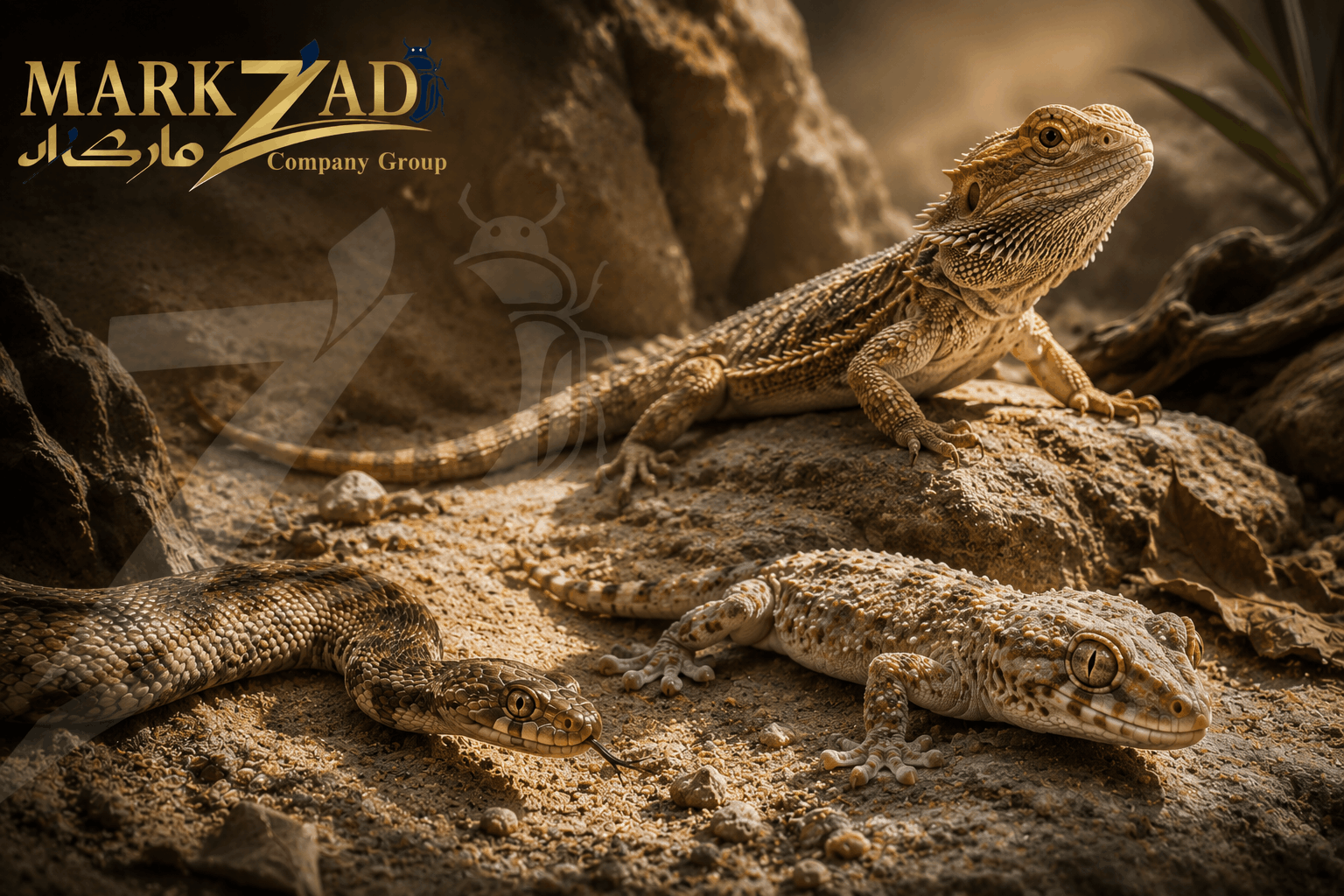

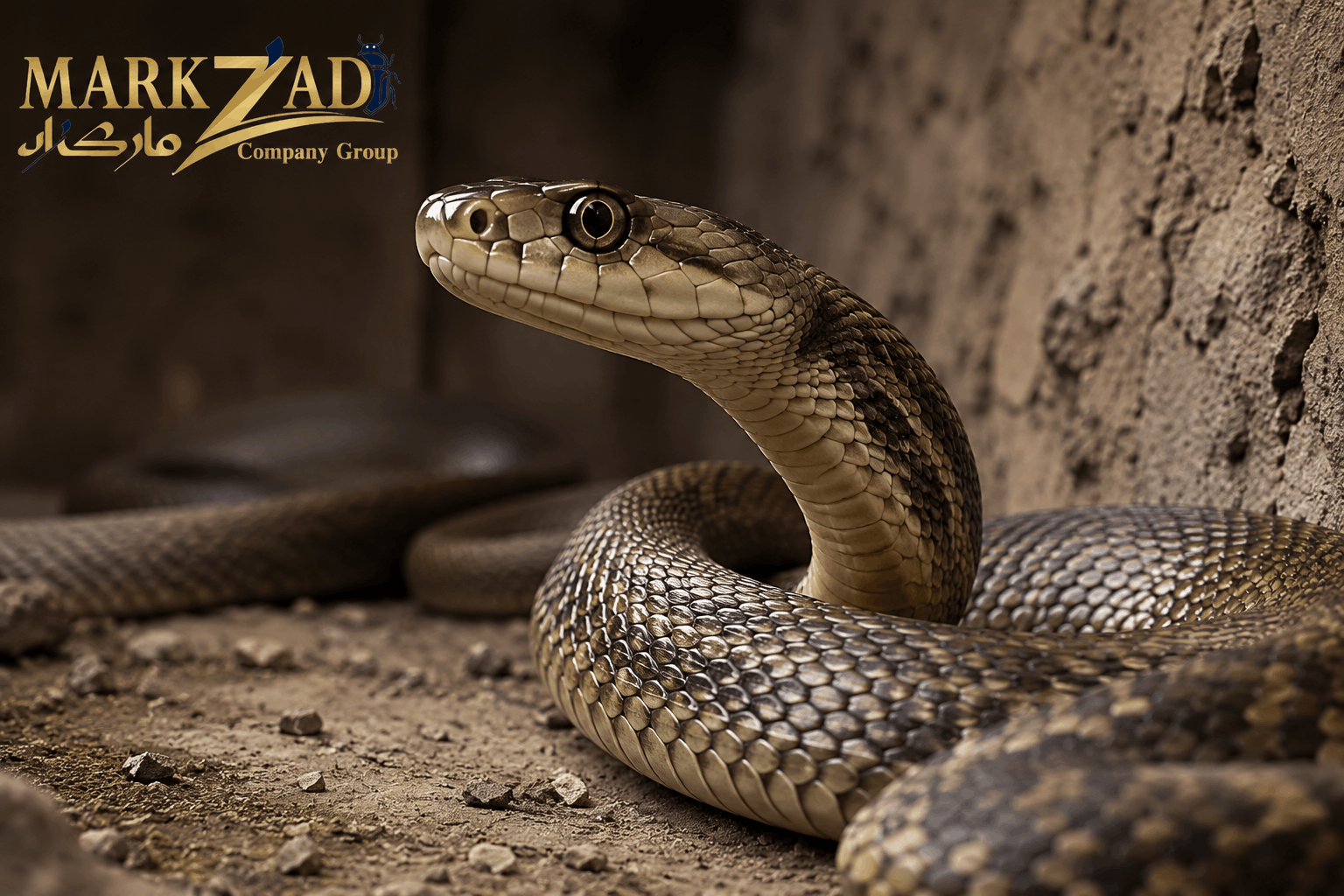
Snakes are limbless reptiles found in many environments. Species vary widely in size, color, behavior, and potential danger. Some are nonvenomous, while others produce venom capable of causing serious injury.
The exact species and whether it is venomous cannot be confirmed safely from this image alone. Any unidentified snake should therefore be treated as potentially dangerous and should never be approached or handled.
Venomous snakebites can cause severe pain, swelling, tissue damage, bleeding disorders, paralysis, breathing difficulty, and kidney injury. Rapid medical care and appropriate antivenom, when clinically required, can significantly reduce serious complications.
Where Do Snakes Hide?
Snakes may be found in:
- Gardens and dense vegetation.
- Rock and wood piles.
- Warehouses.
- Gaps beneath buildings.
- Utility rooms.
- Drainage areas.
- Spaces around water tanks.
- Stored equipment.
- Abandoned buildings.
- Rodent burrows.
- Dark and undisturbed spaces.
- Areas beneath parked machinery or vehicles.
People should avoid reaching blindly into holes, brush, rocks, leaves, or wood piles. Protective boots, long trousers, and suitable gloves can reduce exposure during outdoor work.
Why Do Snakes Enter Buildings?
Rodent Activity
Mice and rats may attract snakes by providing a reliable food source.
Structural Gaps
Snakes may enter through gaps beneath doors, openings around pipes, damaged vents, drains, and wall cracks.
Clutter and Debris
Cardboard, wood, rocks, discarded equipment, and building materials provide protected hiding areas.
Dense Vegetation
Tall grass and unmanaged shrubs make it easier for snakes to approach a building without being noticed.
Weather Conditions
Extreme heat or changing weather may cause snakes to seek shelter in cooler or more protected locations.
Water and Moisture
Some species may be found near tanks, drains, irrigation systems, or damp areas where prey is available.
Signs of Snake Activity
Possible signs include:
- A direct sighting.
- Shed snake skin.
- Tracks in sand or dust.
- Burrows near the building.
- Movement inside a warehouse or hidden area.
- Repeated sightings around the property.
- Unusual pet behavior near a particular location.
These signs do not reliably reveal the species, so professional inspection may be required.
Are All Snakes Venomous?
Not all snakes are venomous. However, identifying a snake safely can be difficult, and common rules based on head shape, body color, or eye appearance are not reliable enough for an untrained person.
Never touch, capture, or kill an unidentified snake. Official safety guidance recommends avoiding all handling, including contact with snakes that appear inactive or dead.
Risks Associated With Snakes
Snakebites may cause local pain and swelling or more serious effects involving blood clotting, breathing, nerves, muscles, kidneys, and tissue. The severity depends on the species, amount of venom, bite location, and speed of medical treatment.
Snakes may also cause:
- Fear and panic.
- Risk to children and pets.
- Temporary closure of rooms or work areas.
- Disruption in hotels, warehouses, farms, and factories.
- Repeated activity when rodents and entry points remain untreated.
What Should You Do When You See a Snake?
- Move away and maintain a safe distance.
- Do not touch, trap, chase, or kill it.
- Keep children, pets, and other people away.
- Close off the area only when this can be done safely.
- Do not corner the snake.
- Observe its direction from a protected location.
- Take a photograph only from a safe distance, when possible.
- Contact a trained professional.
What Should You Do After a Snakebite?
Treat every bite from an unidentified snake as a medical emergency.
You should:
- Move away from the snake immediately.
- Call emergency medical services.
- Keep the person calm and as still as possible.
- Allow them to sit or lie in a comfortable position.
- Immobilize the affected limb.
- Remove rings, watches, bracelets, and tight clothing.
- Cover the bite with a clean, dry dressing.
- Remember the snake’s appearance without attempting to capture it.
- Transport the person to a medical facility as quickly as possible.
Do not:
- Apply a tight tourniquet.
- Cut the wound.
- Attempt to suck out venom.
- Apply ice.
- use herbs or traditional remedies.
- Delay medical treatment.
- attempt to catch the snake.
Saudi Ministry of Health guidance advises calling an ambulance immediately, calming the person, removing tight items, covering the wound, and avoiding cutting, suction, ice, and tight binding. WHO guidance also emphasizes immobilization, urgent transport, and avoidance of unsafe traditional methods.
How to Prevent Snakes
Control Rodents
Reducing mice and rat activity removes an important food source that may attract snakes.
Seal Entry Points
Inspect and seal:
- Gaps beneath doors.
- Wall cracks.
- Openings around pipes.
- Unprotected vents.
- Drain openings.
- Gaps around warehouses and utility rooms.
Remove Hiding Places
Clear wood piles, rocks, cardboard, abandoned equipment, tall grass, and accumulated leaves.
Maintain Vegetation
Trim shrubs and keep branches and dense growth away from walls and entrances.
Use Lighting
Carry a flashlight when walking outdoors at night or entering dark storage areas.
Wear Protective Clothing
Wear closed boots, long trousers, and suitable gloves when working around vegetation, rocks, wood, or debris.
Organize Storage
Keep boxes and materials raised from the floor and leave inspection space around walls.
Common Snake-Control Mistakes
- Trying to kill a snake with a short object.
- Approaching closely to take a picture.
- Picking it up by the tail.
- Assuming a small snake is harmless.
- Touching a snake that appears dead.
- Using smoke or chemicals indiscriminately.
- Reaching into rocks or boxes without checking.
- Allowing children or pets near the area.
- Delaying emergency care after a bite.
- Cutting the wound or attempting to remove venom.
MarkZad Snake-Control Services
MarkZad Company Group combats and responds to snake activity in homes, villas, gardens, farms, resorts, warehouses, factories, and commercial properties.
The service begins with a property inspection to identify:
- The location of the sighting.
- Possible access points.
- Hiding locations.
- Rodent activity.
- Garden and storage conditions.
- Drain and ventilation openings.
- Structural gaps.
- The risk level within the property.
MarkZad’s program may include:
- Professional handling of the snake.
- Inspection of indoor and outdoor areas.
- Identification of hiding and access locations.
- Rodent-control measures.
- Recommendations for sealing openings.
- Removal or organization of sheltering materials.
- Follow-up inspection.
- Preventive guidance for residents and employees.
Effective snake management does not end with removing the visible animal. The conditions that attracted it—especially rodents, clutter, vegetation, and structural gaps—must also be addressed.
Conclusion
Snakes may enter buildings while searching for prey, shelter, or protection from environmental conditions. Their danger cannot be judged reliably from appearance or a photograph, so they should never be approached or handled.
Prevention depends on rodent control, structural sealing, vegetation management, clutter removal, and safe work practices. MarkZad Company Group combats snake activity through professional inspection, safe response, access-point identification, and preventive measures designed to reduce recurrence.