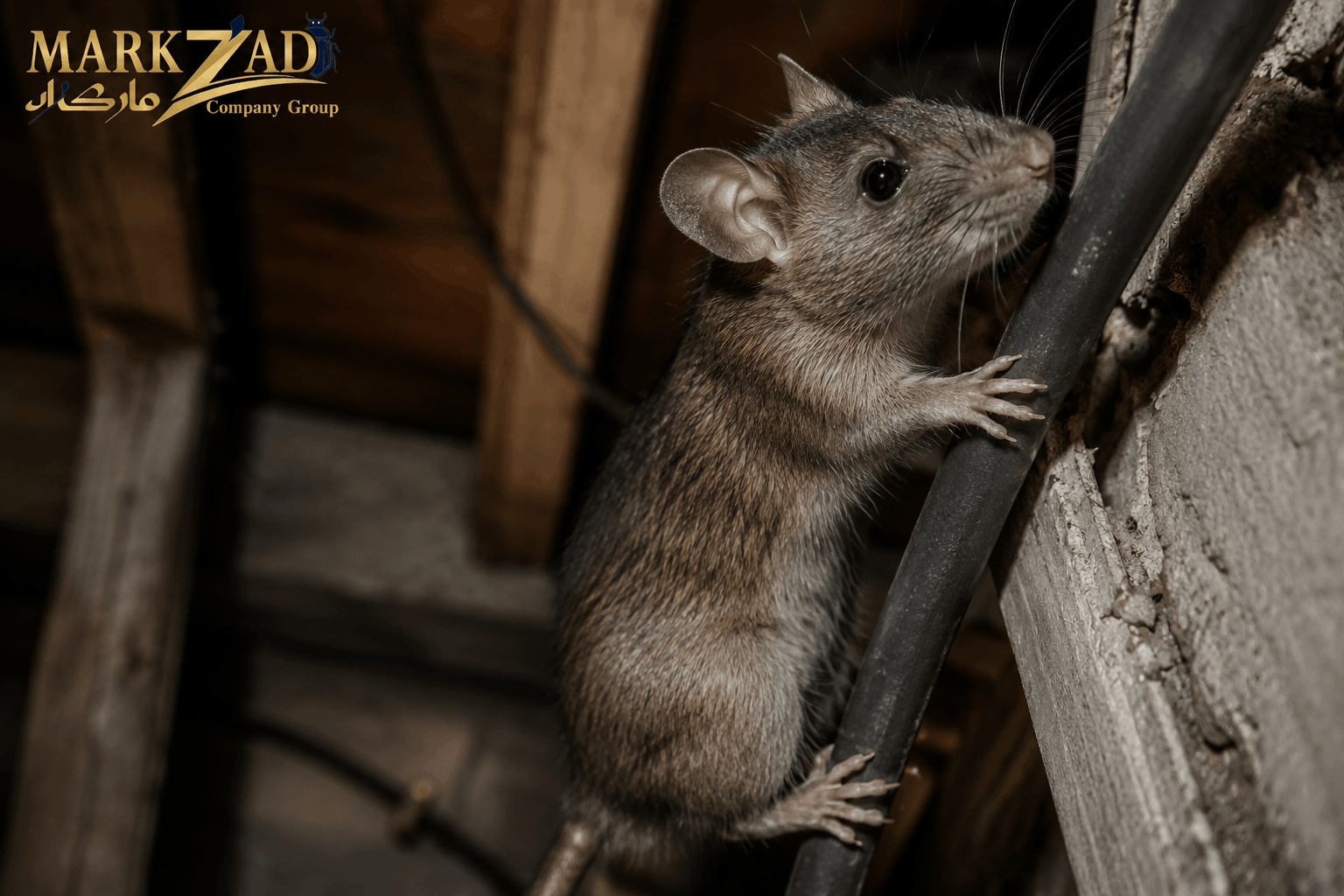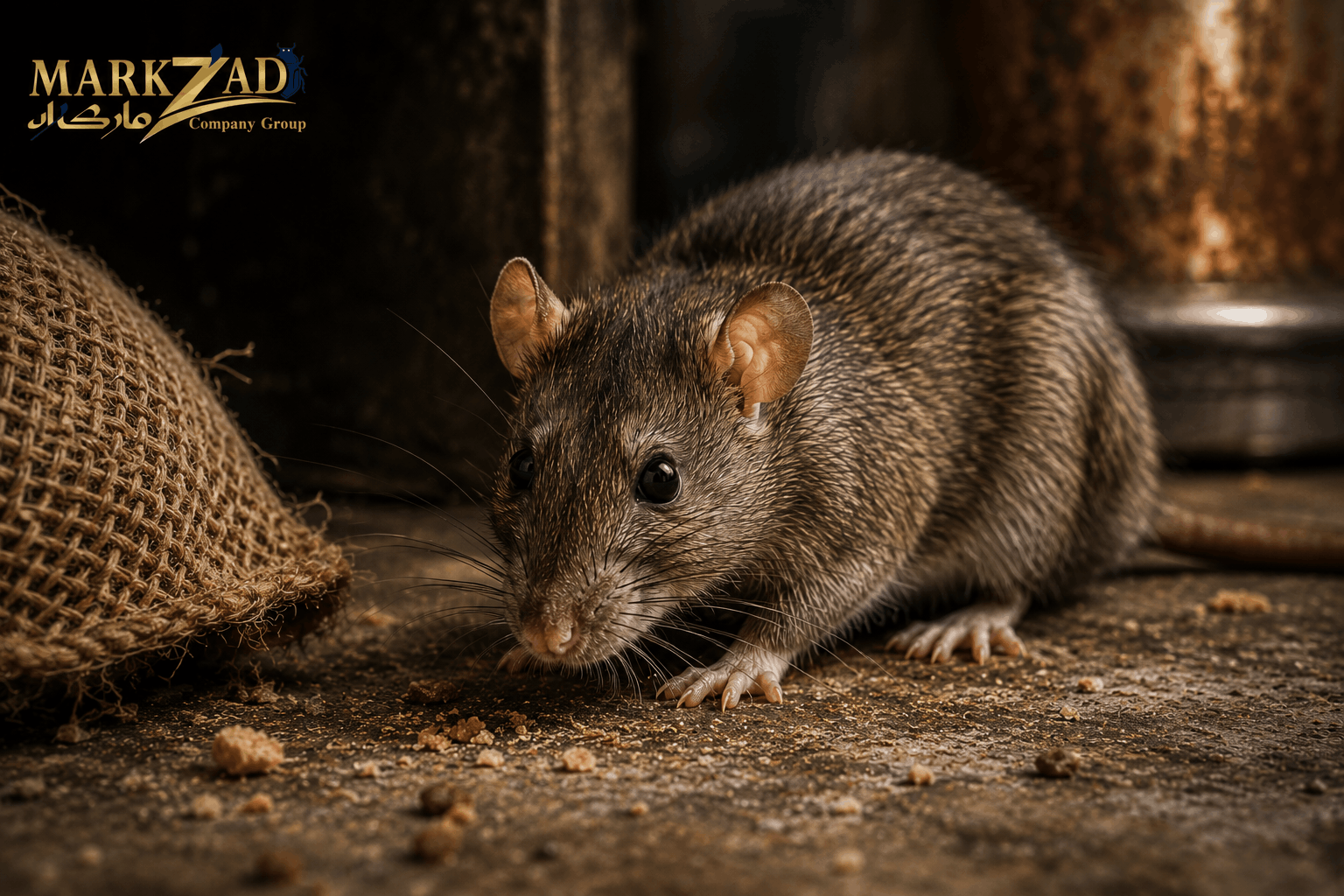

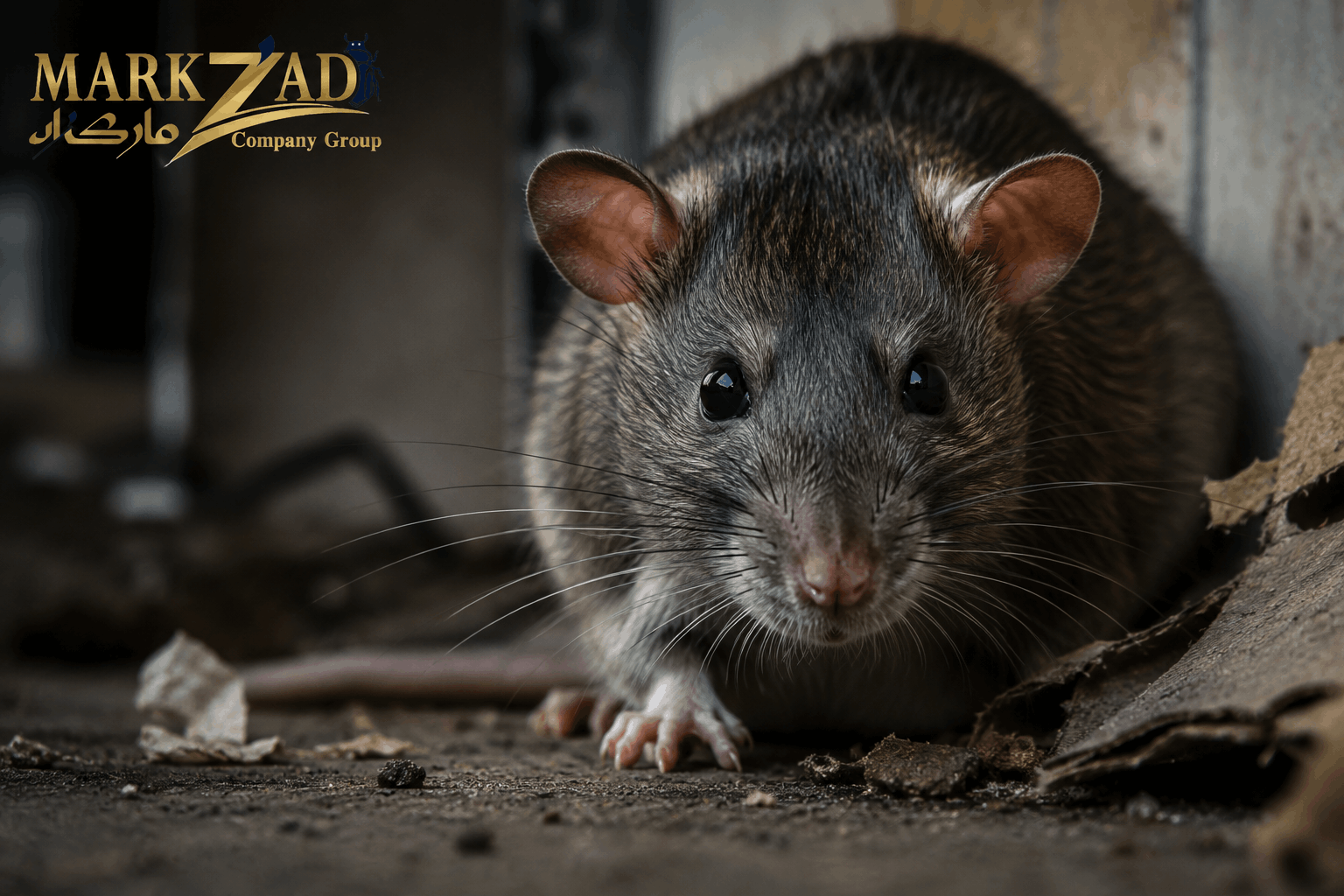
The Norway rat, also known as the brown rat, sewer rat, or Rattus norvegicus, is one of the most widespread urban rodents. Despite its common name, it is now established in cities, farms, ports, residential areas, and commercial facilities throughout many parts of the world.
Norway rats generally prefer ground-level, damp, and sheltered locations, including sewers, basements, warehouses, gardens, garbage areas, and burrows beneath structures. They are strong diggers and swimmers and can adapt successfully to environments close to people.
They are much larger and more heavily built than house mice and can cause serious property, food-safety, and sanitation problems.
What Does a Norway Rat Look Like?
Typical characteristics include:
- A large, heavy body.
- Brown or grayish-brown fur.
- A lighter-colored underside.
- A relatively blunt nose.
- Small ears compared with the size of the head.
- A thick tail that is usually shorter than the combined head-and-body length.
- Strong hind legs.
- Smaller eyes than those of roof rats.
- A noticeably larger size than house mice.
Body size varies according to age, nutrition, and local conditions.
Where Do Norway Rats Live?
Norway rats commonly live in:
- Sewer systems.
- Inspection chambers.
- Basements.
- Warehouses.
- Garbage-storage areas.
- Restaurants and commercial kitchens.
- Food-processing facilities.
- Produce and meat markets.
- Gardens.
- Burrows beneath buildings.
- Farms and animal facilities.
- Utility rooms.
- Areas beneath floors.
- Abandoned buildings.
- Poorly maintained outdoor spaces.
They often construct burrows beside walls, under concrete edges, near garbage areas, and close to reliable food sources.
What Do Norway Rats Eat?
Norway rats are opportunistic feeders and may consume:
- Grain.
- Rice and flour.
- Bread.
- Meat.
- Fruit and vegetables.
- Food waste.
- Pet and livestock food.
- Organic garbage.
- Seeds and nuts.
- Insects and small animals.
- Stored food products.
Accessible food, uncovered waste, and poorly protected storage areas are major factors supporting infestations.
Norway Rat Behavior
Norway rats are mainly active at night. During the day, they usually remain inside burrows, drains, wall voids, storage areas, or other concealed locations.
Common behaviors include:
- Traveling along walls and edges.
- Reusing established pathways.
- Showing caution toward unfamiliar objects.
- Digging beneath floors and structures.
- Swimming through drainage systems.
- Gnawing frequently.
- Nesting close to food and water.
- Defending themselves when trapped.
Their natural caution can make poorly planned trapping and baiting programs ineffective.
The Norway Rat Life Cycle
Norway rats can reproduce rapidly when food, water, warmth, and shelter are available. Females can produce several litters, with multiple young in each litter.
Newborn rats are blind and dependent on the mother. They develop quickly and later become capable of feeding independently and reproducing.
A small infestation can therefore grow rapidly when the property provides favorable conditions.
Signs of a Norway Rat Infestation
Droppings
Dark droppings may be found near food, walls, storage areas, machinery, and known travel routes.
Gnaw Marks
Rats may chew:
- Food packaging.
- Cardboard.
- Wood.
- Doors.
- Plastic pipes.
- Electrical cables.
- Stored materials.
Nighttime Sounds
Scratching, movement, or gnawing may be heard inside walls, ceilings, basements, or beneath floors.
Footprints and Tail Marks
Tracks may be visible in dust, along with drag marks made by the tail.
Grease Marks
Repeated contact with walls and edges can leave dark, greasy marks along established routes.
Burrows
Openings may be found near foundations, garbage areas, garden walls, and outdoor storage zones.
Odor
Heavy infestations may produce a noticeable urine or animal odor.
Damaged Packaging
Torn grain bags and food containers are common signs of rodent activity.
Damage Caused by Norway Rats
Food Contamination
Rats may contaminate food through droppings, urine, fur, and movement across surfaces.
Property Damage
They gnaw wood, cardboard, insulation, plastic, furniture, and packaging.
Electrical Damage
Chewed wiring may cause electrical failures and increase fire risk.
Warehouse Losses
Rats may damage far more food and products than they actually consume.
Structural Impact
Burrowing may disturb soil beneath paths, light foundations, slabs, and other structures.
Business-Reputation Damage
Visible rodent activity in restaurants, hotels, stores, or food facilities can severely damage customer confidence.
Health and Sanitation Risks
Rats, their waste, and the parasites associated with them may carry disease-causing organisms. Contamination can occur through contact with droppings, urine, damaged food, surfaces, or contaminated water.
Risks are higher when:
- Food remains exposed.
- Waste accumulates.
- Droppings are cleaned without protection.
- Infestations are extensive.
- Drainage and sanitation are poor.
Live or dead rats should not be handled with bare hands. Dry droppings should not be swept aggressively because contaminated dust may become airborne.
Do Norway Rats Attack People?
Norway rats generally try to escape from people. However, they may bite when cornered, trapped, or handled.
A person should not attempt to catch a rat by hand. Any bite should be washed thoroughly and medically assessed, especially when the wound is deep or visibly contaminated.
Norway Rats Versus House Mice
Norway Rats
- Much larger.
- Heavy, robust bodies.
- Smaller ears relative to the head.
- Thick, relatively short tails.
- Often live near drains and ground level.
- Commonly burrow.
- Produce larger droppings.
House Mice
- Small and lightweight.
- Larger-looking ears and eyes.
- Thin, relatively long tails.
- Commonly enter cabinets and elevated spaces.
- Produce much smaller droppings.
- Need less food and water.
Correct identification improves trap placement, exclusion work, and overall control.
Norway Rats Versus Roof Rats
Roof rats are slimmer, better climbers, and more commonly found in ceilings, roofs, trees, and elevated areas.
Norway rats are usually:
- Larger and heavier.
- More strongly associated with ground-level areas.
- Common in sewers, basements, and burrows.
- Equipped with shorter tails relative to body length.
- Smaller-eared.
- Brown or grayish brown.
How Do Norway Rats Enter Buildings?
Common entry routes include:
- Drainage systems.
- Poorly sealed doors.
- Gaps beneath gates.
- Openings around pipes.
- Damaged sewer connections.
- Unprotected vents.
- Cracks near floors.
- Loading and service doors.
- Cable and utility penetrations.
Entry points should be sealed with strong, gnaw-resistant materials.
Why Do Norway Rats Appear?
Factors supporting infestations include:
- Uncovered garbage.
- Irregular waste removal.
- Pet food left outside overnight.
- Food stored directly on floors.
- Water leaks.
- Unprotected drains.
- Clutter and cardboard buildup.
- Abandoned areas around the building.
- Dense vegetation.
- Gaps beneath doors.
- Poorly maintained inspection chambers.
- Improper disposal of food waste.
How to Prevent Norway Rats
Seal Entry Points
Close openings around pipes, doors, walls, floors, and utilities using durable, rodent-resistant materials.
Protect Drains
Install and maintain suitable drain covers and inspect sewer and inspection-chamber systems.
Store Food Securely
Keep grain, food, and animal feed in strong, sealed containers.
Raise Stored Materials
Use shelves and leave space between stored goods and walls for inspection and cleaning.
Manage Waste
Use tightly closed containers, clean waste areas, and remove garbage regularly.
Repair Water Leaks
Remove unnecessary water sources that rats may use.
Maintain Outdoor Areas
Remove weeds, abandoned materials, wood piles, and clutter close to buildings.
Inspect Deliveries
Rats or evidence of rodent activity may arrive with shipments, pallets, and stored goods.
How to Control Norway Rats
1. Inspect the Property
Identify activity areas, tracks, burrows, entry points, food sources, water sources, and the extent of the infestation.
2. Remove Food Sources
Clean food waste, secure stored products, and improve garbage management.
3. Exclude Rodents
Seal entry points after determining how rodents are moving through the property and avoiding careless actions that could trap animals inside inaccessible voids.
4. Use Traps
Place suitable traps along walls, near routes, and in areas containing confirmed signs.
5. Manage Rodent Baits Safely
Locked, tamper-resistant bait stations may be used when professionally appropriate. Rodenticide baits should never be left exposed, particularly where children, pets, wildlife, or food may be affected.
6. Address Burrows and Outdoor Activity
Outdoor burrows and neighboring sources must be inspected to reduce the likelihood of reinvasion.
7. Monitor and Follow Up
Check traps and monitoring stations, remove carcasses safely, document new signs, and continue until activity has stopped.
Common Rat-Control Mistakes
- Leaving poison bait exposed.
- Placing bait without inspecting travel routes.
- Blocking burrows before confirming activity has ended.
- Leaving garbage and food available.
- Using too few traps.
- Placing traps away from walls.
- Handling waste without protection.
- Ignoring drains and inspection chambers.
- Failing to inspect outdoor areas.
- Disposing of carcasses unsafely.
- Stopping control after signs temporarily disappear.
MarkZad Norway Rat Control Services
MarkZad Company Group combats Norway rats in homes, villas, restaurants, hotels, warehouses, factories, markets, and food facilities.
The service begins with a detailed inspection to identify:
- The rodent species.
- The infestation level.
- Burrows and nesting locations.
- Travel routes.
- Entry points.
- Food and water sources.
- Drainage and inspection-chamber conditions.
- Affected indoor and outdoor areas.
Based on the inspection, MarkZad develops an integrated rodent-control program that may include:
- Strategic trap placement.
- Locked bait stations when appropriate.
- Burrow and activity-area treatment.
- Recommendations for sealing entry points.
- Improved storage and waste management.
- Drain and building-perimeter inspection.
- Safe removal of rodent carcasses.
- Scheduled monitoring and follow-up.
MarkZad focuses not only on removing visible rats but also on controlling the sources, access points, and environmental conditions that allow them to return.
Norway Rat Control in Restaurants and Warehouses
Restaurants, food factories, and warehouses require careful rodent management because food, warmth, shelter, and storage areas are readily available.
An effective program may include:
- Inspecting delivery areas.
- Monitoring warehouses.
- Protecting stored food.
- Cleaning waste areas.
- Sealing service doors and gaps.
- Inspecting drains and utility rooms.
- Using numbered monitoring stations.
- Recording activity and results.
- Training staff to report signs early.
- Conducting regular follow-up visits.
MarkZad provides programs adapted to each facility, with an emphasis on prevention and continuous monitoring.
Safe Cleanup After Rodent Activity
When droppings or urine are found:
- Do not aggressively sweep dry droppings.
- Avoid vacuuming dry contamination directly.
- Ventilate the area when practical.
- Wear suitable gloves.
- Wet the contaminated area with an appropriate disinfectant according to label directions.
- Collect waste carefully in sealed bags.
- Clean nearby surfaces.
- Wash hands thoroughly afterward.
- Use professional cleanup services for extensive contamination.
When Is Professional Rodent Control Needed?
Professional help is recommended when:
- A rat is seen indoors.
- Droppings repeatedly appear.
- Noises are heard inside walls.
- Burrows are found near the building.
- Wiring or food packaging is damaged.
- Traps have not solved the problem.
- Activity is present in a restaurant or warehouse.
- Children or pets are present.
- Rats may be entering through drains.
- The infestation source or size is unclear.
Conclusion
The Norway rat is a large, adaptable rodent capable of burrowing, swimming, and moving through drainage systems. It can contaminate food, damage wiring and property, and create serious problems for warehouses, restaurants, and residential buildings.
Effective control requires inspection, food and water removal, structural exclusion, professionally managed traps or bait stations, and ongoing monitoring. MarkZad Company Group combats Norway rats through an integrated program designed to remove existing rodents and reduce the conditions that allow them to enter and return.