
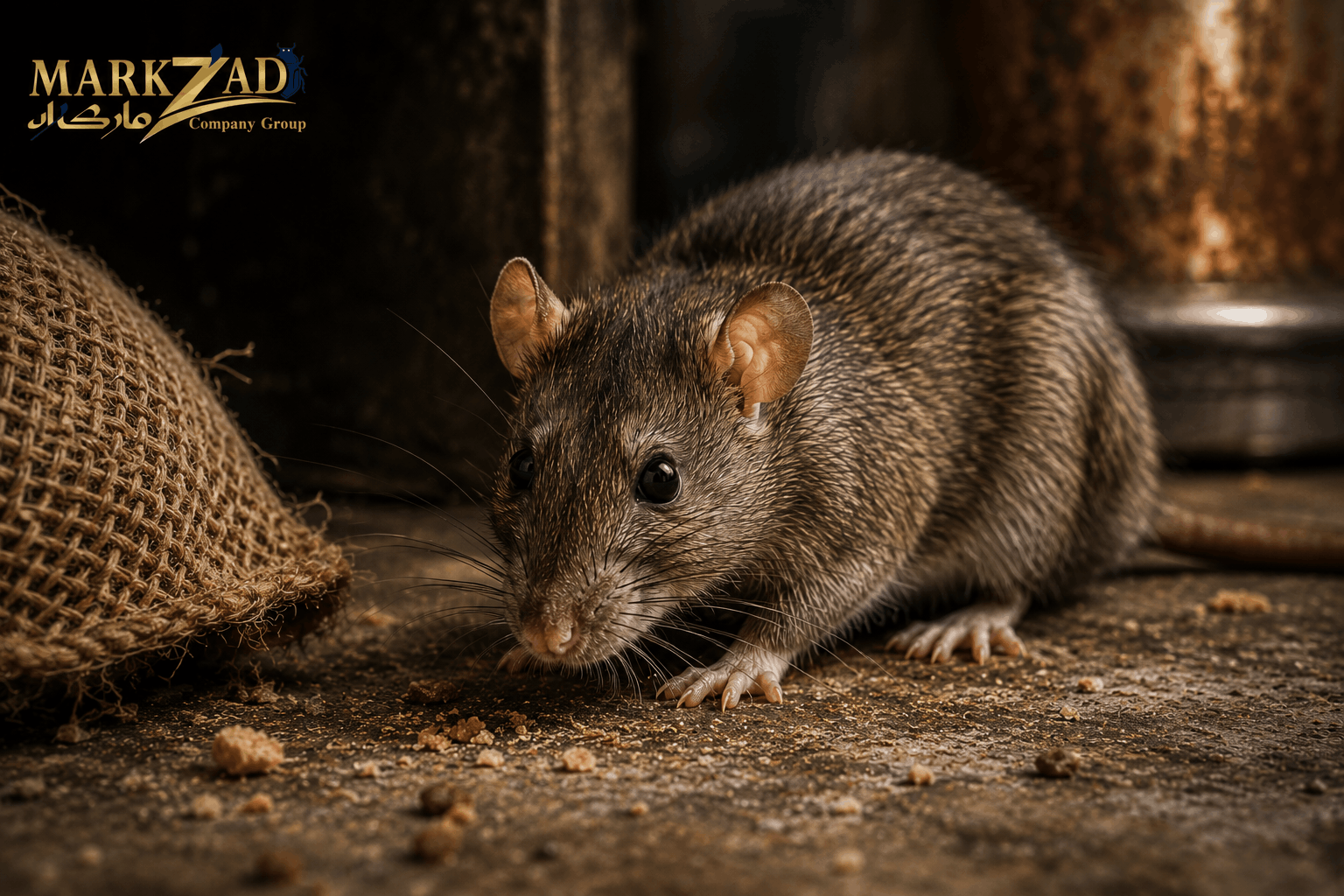
Rats are among the most troublesome rodents found around homes, restaurants, warehouses and commercial buildings. They do not merely consume food; they may contaminate stored products, damage property, chew electrical cables and expose occupants to harmful pathogens.
What Are Rats?
Rats are rodents that are generally larger, heavier and stronger than common house mice. The word rodents is a broad category that includes rats, mice and many other animals, while the term rat usually refers to larger members of the genus Rattus.
Common building-associated rodents include:
Norway Rat or Brown Rat
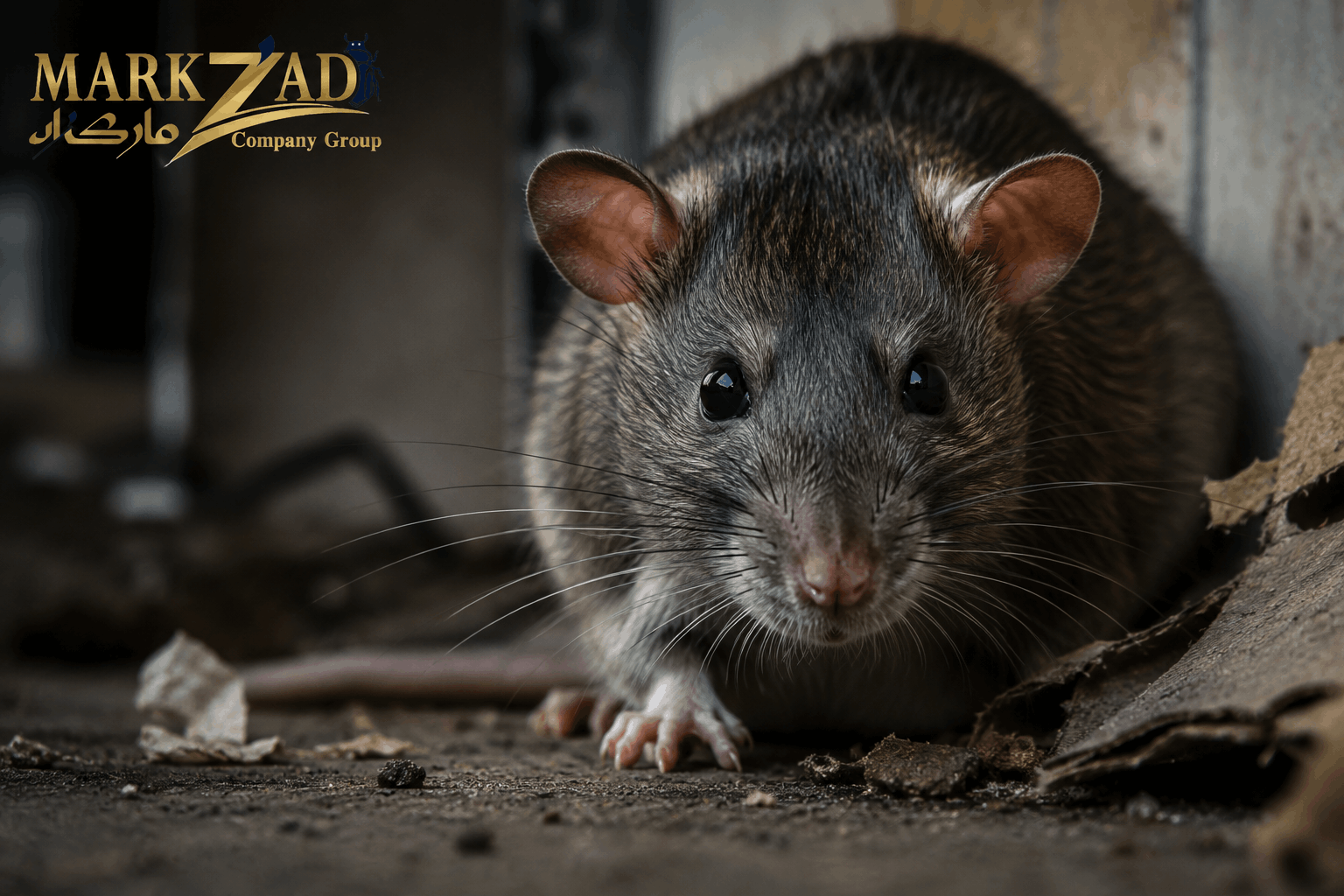
The Norway rat has a heavy body and usually lives near ground level, drains, sewers, gardens, waste areas and underground burrows.
Roof Rat or Black Rat
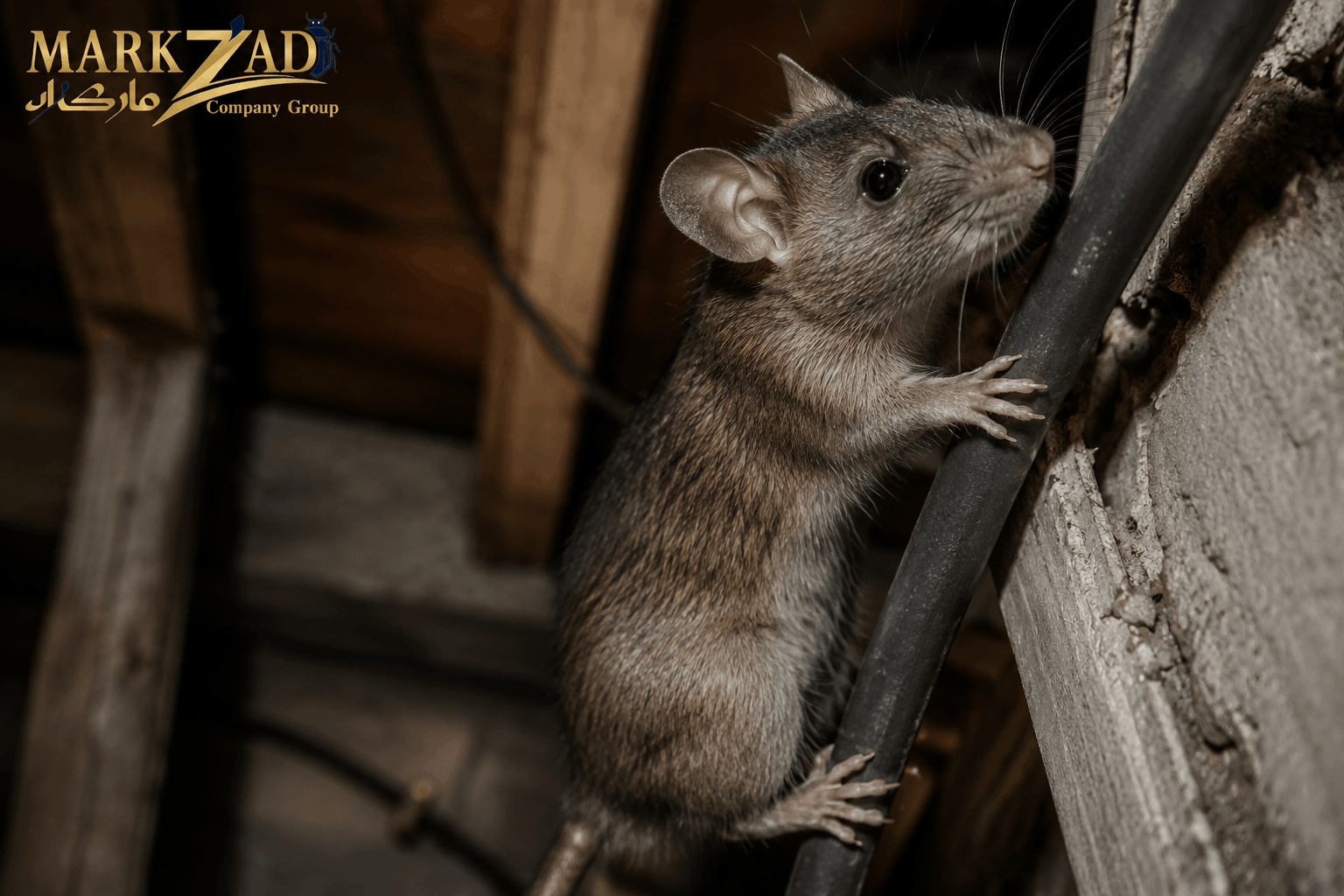
The roof rat is more agile and is an excellent climber. It may nest in ceilings, upper floors, storage areas, trees and elevated structures.
House Mouse
The house mouse is much smaller than a rat but can enter buildings through very narrow openings and hide inside kitchens, cupboards and storage rooms.
What Are Rats Called in Saudi Arabia?
The name varies according to region and everyday speech. Common terms include:
- جرذ / جرذان — Juradh / Jirdhan: The more precise Arabic term for a large rat.
- فأر / فئران — Fa’r / Fi’ran: Mouse or mice, but sometimes used broadly for rats and mice.
- فار / فيران — Far / Firan: Common colloquial pronunciations.
- قوارض — Qawarid: Rodents, a professional term covering rats and mice.
In everyday Saudi Arabic, someone may say there is a far or firan in the property even when the animal is technically a large rat. Usage varies between regions and families, so pest-control providers commonly use the broader term rodent control or explicitly mention both rats and mice. Saudi agricultural material also uses the expressions “mice and rats” when discussing rodenticides and control programs.
Problems Caused by Rats
Food Contamination
Rats may contaminate food, preparation areas and equipment with droppings, urine, hair and dirt carried on their bodies. Food can become unsafe even when there is no obvious sign that it has been eaten.
Public-Health Risks
Some rodents can carry pathogens that spread through urine, droppings, saliva, contaminated surfaces or dust disturbed during cleaning. The World Health Organization explains that hantaviruses are naturally associated with rodents and that exposure may occur through contact with contaminated secretions or particles, although disease risks differ by region and virus type.
Rat bites may also cause wounds and bacterial infections and should receive appropriate medical attention.
Electrical Damage
Rats frequently gnaw electrical wiring, internet cables and air-conditioning connections. Damaged insulation can cause equipment failure, short circuits or fire hazards.
Structural and Property Damage
Rats may damage doors, cupboards, insulation, plastic containers, cardboard and stored goods. Burrowing may also affect gardens, outdoor areas and some structures.
Commercial Losses
An infestation in a restaurant, hotel or warehouse can result in spoiled products, damaged packaging, customer complaints and reputational harm.
Signs of a Rat Infestation
Typical signs include:
- Dark droppings near walls or appliances.
- Scratching sounds at night.
- Gnawed packaging, doors or cables.
- Greasy marks along walls.
- Burrows near gardens or waste areas.
- Unusual odors in enclosed spaces.
- Nesting material made from paper, fabric or insulation.
- Repeated daytime sightings.
Why Rats Enter Buildings
Rats enter properties in search of:
- Food: Waste, grains, pet food and uncovered products.
- Water: Leaking pipes, drains and irrigation areas.
- Shelter: Ceilings, storerooms, cluttered areas and wall cavities.
Removing one rat without correcting these conditions often results in another infestation.
Effective Rat-Control Methods
Inspection and Identification
A proper inspection identifies the rodent species, entry points, feeding areas, nesting sites and level of activity. This information determines which control tools should be used.
Rodent-Proofing
Openings around pipes, doors, air-conditioning systems, roofs and drainage points should be sealed with durable materials.
Saudi agricultural guidance identifies rodent-resistant building design, sealed walls and solid floors as important long-term methods of preventing rodent entry.
Sanitation
Important measures include:
- Storing food in sealed containers.
- Removing waste every day.
- Cleaning food residues and grease.
- Repairing water leaks.
- Keeping pet food covered.
- Organizing storage areas.
- Removing outdoor clutter.
- Keeping rubbish containers tightly closed.
Traps
Mechanical traps can be effective indoors when placed along walls and active rodent routes. They must be positioned carefully and checked regularly.
Secured Bait Stations
Rodenticides may be used in severe infestations, but they should be placed inside secured, tamper-resistant bait stations. Loose poison should never be left where children, pets, birds or other animals can reach it.
The Saudi Food and Drug Authority warns that unsafe pesticide exposure may occur through swallowing, skin contact, eye contact or inhalation, and may cause serious symptoms. Product labels and safety instructions must always be followed.
Ongoing Monitoring
Professional control requires follow-up visits, inspection of traps and bait stations, removal of food sources and regular checks for new entry points.
Common Rat-Control Mistakes
Common mistakes include:
- Scattering poison around the property.
- Using bait without child-resistant stations.
- Blocking one opening while leaving others open.
- Ignoring food waste and water leaks.
- Relying only on repellents or ultrasonic devices.
- Dry sweeping rodent droppings.
- Failing to remove dead rodents.
- Stopping the control program too early.
Safe Cleaning of Rat Droppings
The area should first be ventilated. Gloves should be worn, and droppings should be dampened with a suitable disinfectant before removal. Dry sweeping or direct vacuuming should be avoided because it can spread contaminated dust.
When Professional Help Is Needed
Professional assistance is recommended when:
- Rats continue to appear after traps are used.
- The infestation affects a restaurant or food warehouse.
- Activity is heard inside ceilings or walls.
- Several burrows or large amounts of droppings are found.
- Children or pets are present.
- Nesting areas are difficult to reach.
- The business requires documented inspections and monitoring.
Professional Rat Control by MarkZad Company Group
MarkZad Company Group provides integrated rat and mouse control solutions for homes, restaurants, warehouses and commercial facilities. The process may include inspection, rodent identification, entry-point management, traps, secured bait stations and scheduled follow-up.
The goal is not only to eliminate active rodents, but also to address the conditions that attracted them and reduce the risk of future infestation.